
Last updated November 15, 2026
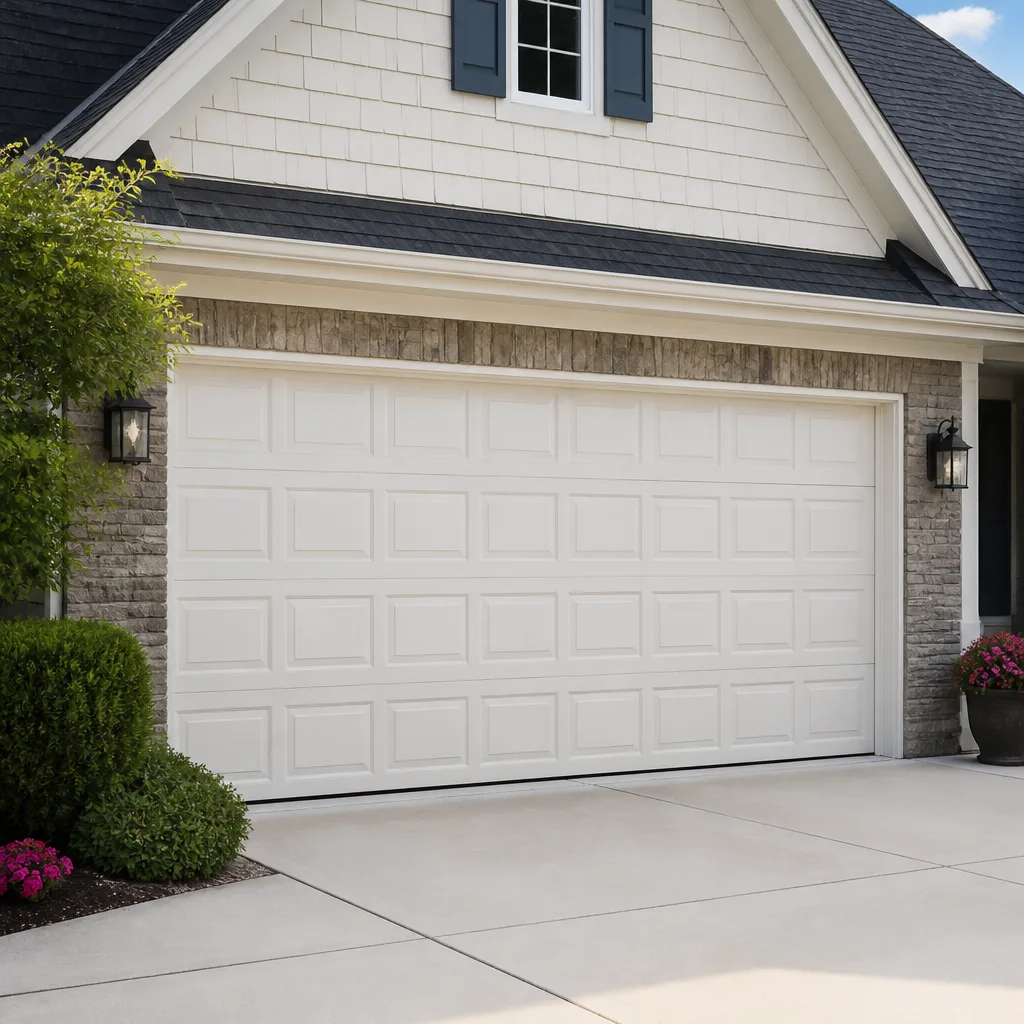 Raised-panel steel
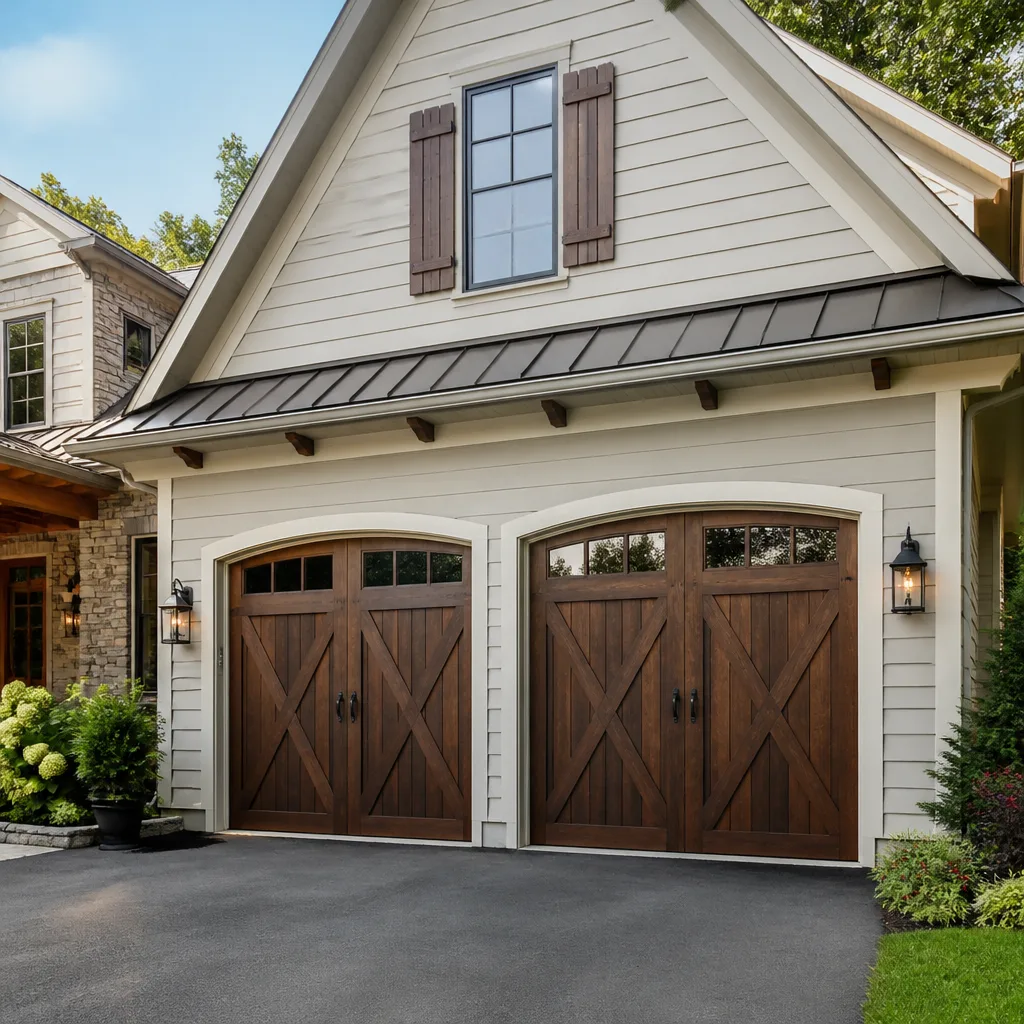 Carriage house
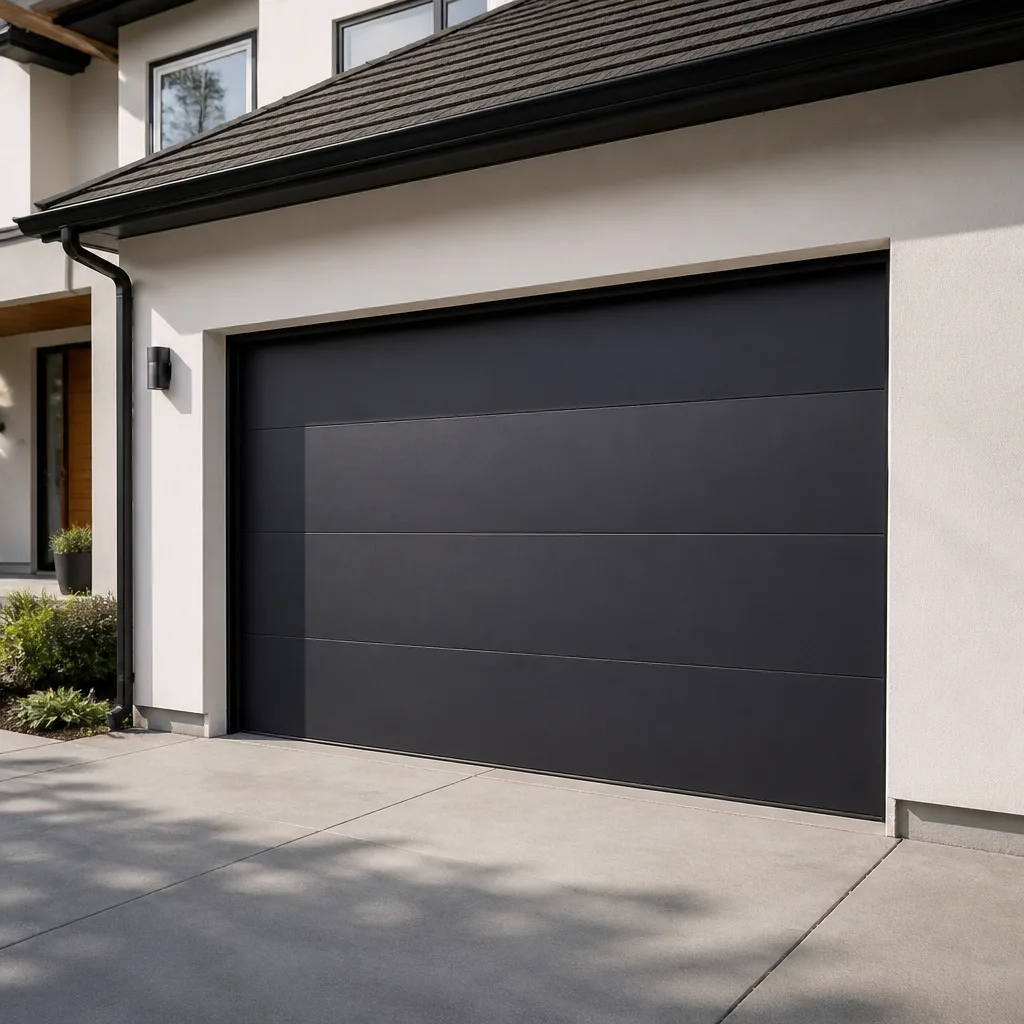 Modern flush
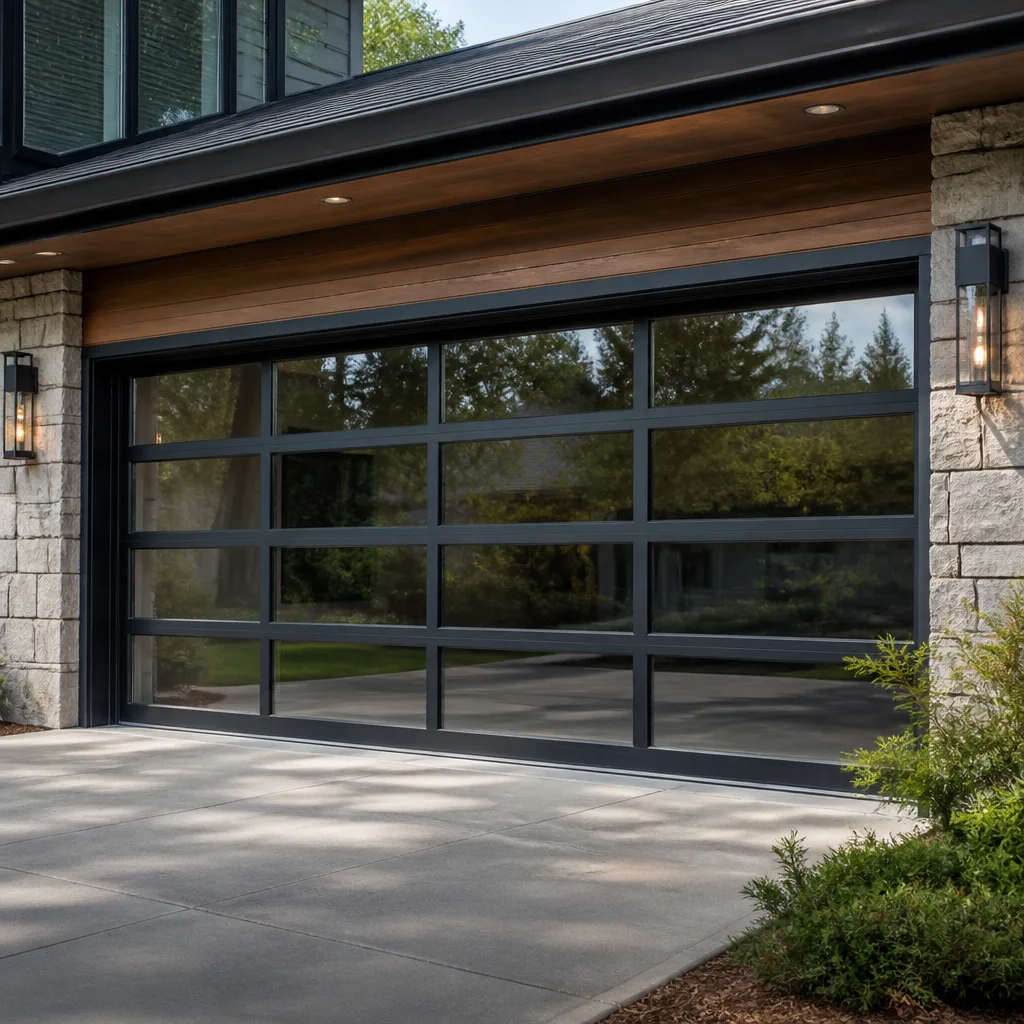 Full-view glass
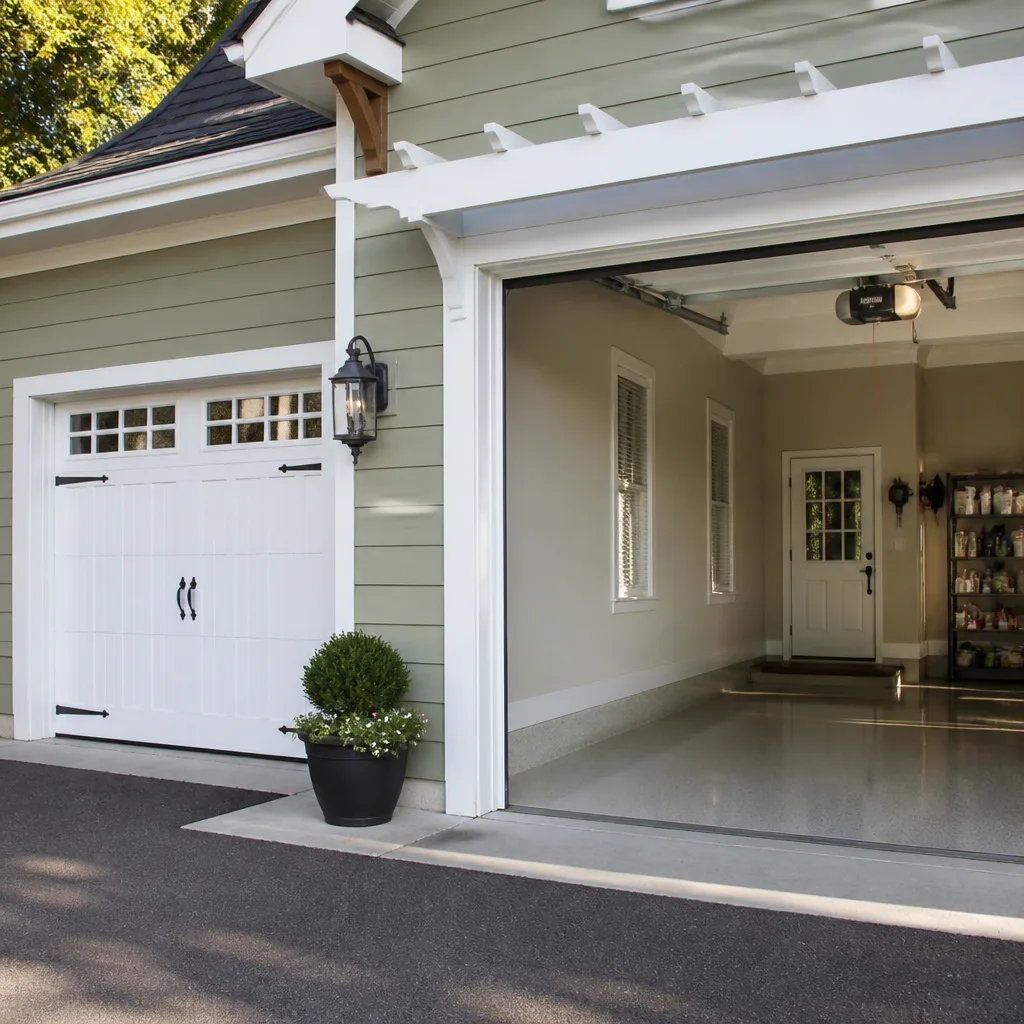 LiftMaster openers
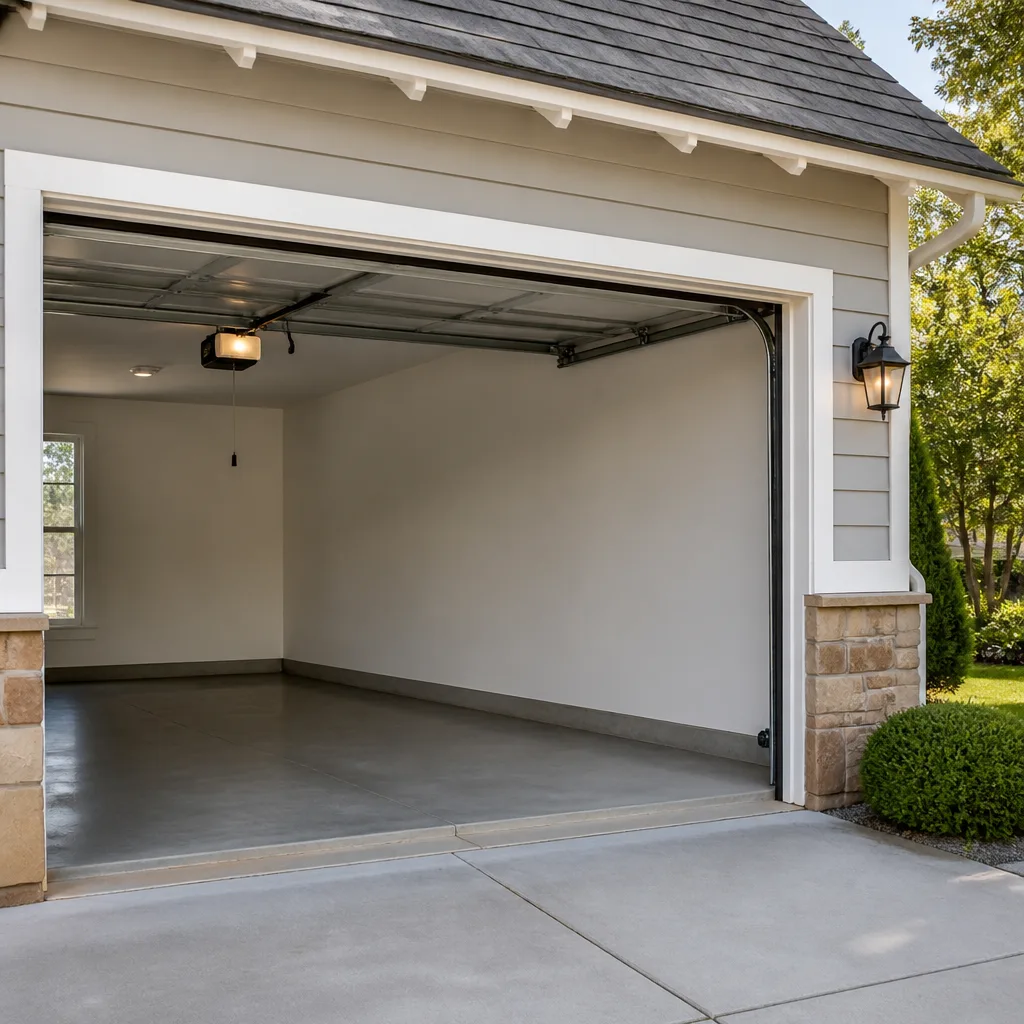 Chamberlain openers
Full 25-point door and opener safety check with every visit - springs, cables, rollers, tracks, and your LiftMaster or Chamberlain opener included
You get a price before we start. It does not change when the pro arrives.
Get your free estimateGarage Door Warning Signs: An Arvada Homeowner’s Reference Guide
A garage door that suddenly feels heavier when you lift it by hand is not a perception trick or a sign you’ve gotten weaker overnight. It’s one of the most reliable early warnings that a torsion spring is losing tension, and that spring is closer to snapping than it was a week ago. Most garage door failures announce themselves days or weeks in advance through sound and movement. The problem is that few homeowners know what “normal” looks like for their own door, so they can’t recognize the moment something has changed. This guide lays out the specific sounds, the floor-level visual checks you can do without tools, and how to tell whether you’re hearing an opener problem or a door problem. We’ll also cover which warning signs in Arvada need same-day attention and which you can watch for a week. Arvada Garage Door Service works on garage doors only, and we’ve written this so you can read your door the way we do.
Quick Answer
The main garage door warning signs are a door that lifts heavier than usual by hand, grinding or squealing during travel, a visible gap between the door and the floor, frayed cables, wobbling rollers, and an opener that strains or lags. Any of these means a component is wearing. A heavy manual lift, a snapped spring, or a door that comes down faster than it should is an immediate safety risk, so stop using the door and get a professional out. Grinding, minor squealing, and slight roller wobble are usually safe to monitor for a few days while you book a service visit.
Styles & brands we work with
- Raised-panel steel
- Carriage house
- Modern flush
- Full-view glass
- LiftMaster openers
- Chamberlain openers
Table of Contents
- Why a “Heavy” Door Is the Most Important Sign
- What Each Sound Tells You
- Five Visual Checks You Can Do From the Floor
- Opener Problem or Door Problem? Ending the Misdiagnosis
- Immediate Safety Risks vs. Signs You Can Monitor
- Arvada Climate, Housing, and How Doors Age Here
- Brand-Specific Failure Patterns
- What a Technician Checks That You Can’t
Why a “Heavy” Door Is the Most Important Sign
Of all the warning signs a garage door gives you, the one to take most seriously is a change in how the door feels when you lift it by hand. A balanced garage door should move with light, steady resistance. If you have to lean into it, or if it feels like you’re lifting a heavier object than last month, the spring is losing tension. On a torsion-spring door, that tension is doing almost all the lifting work. When it drops, your opener starts working harder to compensate, and a spring that is very close to failing will snap without much more warning.
Here’s the timing that matters. Spring fatigue is gradual, so the door gets heavier in small increments you barely notice day to day. That’s why the check is worth doing monthly: it forces you to compare. Disconnect the opener (most have a manual release pull) and lift the door to about waist height by the bottom edge, then lower it. It should feel manageable and it should hold roughly where you let go.
A word on safety here. Torsion springs and the cables that run with them are under enormous tension, and they release that energy violently when they fail. That’s why we never walk a homeowner through adjusting a spring or cable. If your door feels heavy, is visibly sagging on one side, or has a spring that looks stretched or separated, treat it as a professional job. A trained technician has the winding bars and the knowledge to release that tension safely. In Arvada, where doors cycle several times a day for families and home offices alike, spring wear accumulates steadily, and this hand-lift test is the cheapest check you’ll ever do.
The reason we lead with this sign is that it’s the one most homeowners either miss or explain away. They assume the door was always a little stiff, or that the opener is just getting old. The heaviness is the door talking, not a mood swing. Catch it early and you’re looking at a spring replacement on a scheduled visit. Ignore it and you’re looking at the same job, done with more urgency.
What Each Sound Tells You
Garage doors make noise. Knowing which noise maps to which part removes the guesswork. The most common sounds break down like this:
- Grinding: Usually worn or dry roller bearings, or a roller that’s seized and dragging along the track. Grinding tends to start quiet and get louder over several weeks.
- Squealing: Metal-on-metal contact, most often worn hinge pivots and dry rollers. A high-pitched squeal on the way up and down that worsens with each cycle points to hinge wear.
- Popping or a sharp snap: A cable fraying on the drum, or a roller jumping its track. Popping during travel deserves a stop-and-look rather than a “wait and see.”
- Lag or strain from the opener: Not a garage door sound per se, but a motor that sounds like it’s working too hard, pauses, or reverses. Often the door is dragging, not the opener failing.
Location matters as much as the sound. A squeal near the hinges is different from a squeal near the spring. A grind low on the door is usually a bottom roller; a grind overhead points to the track or the opener rail. When you hear something new, note where it comes from and whether it happens going up, coming down, or both. That one detail will shorten any repair visit because the technician arrives already narrowed in.
In our experience around Arvada, the most misread sound is the opener’s lag. A homeowner hears the motor laboring and assumes the opener is dying, when really the door has a stiff roller or a tired spring and the opener is just doing extra work. Replacing a healthy opener won’t fix a door that drags. If a sound is intermittent, track when it happens. Doors that squeal only in cool weather point toward contracted metal and dry pivot points, which is common across Arvada’s colder mornings.
One sound to never wave off is a loud bang from the overhead area followed by the door becoming very easy to lift. That’s a spring that’s just failed. Stop using the door. Don’t try to lift it to “test” it. Call for service and keep everyone clear until a professional looks at it.
Five Visual Checks You Can Do From the Floor
You don’t need a ladder or tools to catch most developing problems. These five checks take five minutes and cover the failures we hear about most often. Do them in the same order each month so you’re comparing like to like:
- Cables: Look at the cables on both sides of the door. They should be taut and continuous. Fraying, kinks, or a loose strand hanging off means stop using the door.
- Rollers: Glance at where the rollers sit in the track as the door is closed. They should sit centered. A roller that’s cocked, chipped, or wobbling in its bracket is wearing out.
- Track alignment: Run your eye down each vertical track. It should be straight with no dents, kinks, or gaps where sections are clamped together. A visible gap between track and door means the door is off its path.
- Bottom seal compression: With the door closed, check that the rubber seal meets the floor evenly all the way across. A gap at one corner or a seal that’s flattened and cracked means weather and pests are getting in.
- Hinges and brackets: Look for rust streaks, loose bolts, or a hinge that’s pulled away from the panel. Loose hardware is often the start of the squeal you’ve been hearing.
Add a sixth check when you’re already standing there: the springs themselves. You won’t be able to judge tension by eye, but a spring with a visible gap, a stretched section, or a coil that looks different from the one beside it is a red flag worth a call. Never touch a spring or cable to test it.
A note on Arvada’s weather. The temperature swings here, warm afternoons and cold nights, move metal. Seals harden and crack in dry cold spells, and hinges loosen as the wood or steel around them expands and contracts. That’s why a monthly floor-level check catches more here than you might expect. The check costs you nothing and tells you when to schedule.
Opener Problem or Door Problem? Ending the Misdiagnosis
The single most expensive mistake we see is replacing the wrong component. A homeowner hears the opener strain, buys a new one, and the door still drags because the real problem was a stiff roller or a spring on its way out. Before you blame the opener, run this quick check:
- Pull the manual release to disconnect the opener from the door.
- Lift the door by hand to about waist height.
- If it moves freely and stays roughly in place, your door is balanced and the opener is the likely culprit.
- If it’s heavy, hard to move, or slams down, the door is the problem and the opener is innocent.
That single test sorts the opener from the door about 90% of the time. If the door passes the balance test but the opener still struggles, reverses on its own, or the remote won’t respond, you’re looking at a garage door opener repair rather than a door repair. Openers have their own failure patterns: a motor that runs without moving the door points to a stripped gear or a broken drive. A wall button that works while remotes don’t points to a receiver or safety-sensor issue. Blinking safety sensors are their own common cause and have nothing to do with the door itself.
We’ve built our work around this distinction because it’s where homeowners lose money. Because we specialize in garage doors only, opener diagnosis isn’t an afterthought. We work the same test you just read, then go further: checking the safety reverse function, the force settings, and the travel limits. We service LiftMaster, Chamberlain, Genie, Craftsman, and the rest of the widely installed opener brands, so a technician arrives already familiar with how your unit is put together. No guesswork on the unit that’s in your ceiling.
Immediate Safety Risks vs. Signs You Can Monitor
Not every warning sign is an emergency, and treating them all the same either wastes your time or, worse, leads you to ignore a real danger. Sort what you’re seeing into two piles.
Stop using the door now and call for same-day service:
- A loud bang from overhead and the door suddenly lifts too easily (spring failure).
- A visible frayed or snapped cable.
- A door hanging crooked or one side lower than the other.
- A door that closes with a bang or free-falls because it’s unbalanced.
- Safety sensors that won’t stop the door from closing on an object placed in its path.
- An opener that runs but the door doesn’t move.
Safe to monitor for a few days while you schedule a visit:
- Grinding on one side of the track.
- Squealing from a hinge or roller.
- A slight wobble in a single roller.
- A small gap in the bottom seal.
- An opener that’s a little slower but still lifts and lowers the door smoothly.
The dividing line is energy. A failed spring or a snapped cable has stored energy that can hurt someone or damage the door and the car beneath it. A worn roller is a nuisance that’s quietly grinding itself and the track down but won’t release any stored energy. When in doubt, err on the side of stopping. If the door isn’t safe to lift, it isn’t safe to use, and that decision should come before cost.
Arvada homes often have the garage door attached to the house with a room above or beside it. A door that free-falls or drops one side can put strain on the track and the opener rail, and an unbalanced door is the one to treat as urgent. If you’re not sure which category your sign falls into, a phone call sorts it in a minute. We answer 24/7. Fast dispatch, 7am-7pm, Sunday through Friday. If a door fails over a Saturday, we’re closed that day, and we’ll book you for the next opening on Sunday.
Arvada Climate, Housing, and How Doors Age Here
Garage doors in Arvada age in particular ways depending on the season and the housing. The temperature swings across the Front Range, with warm days that can drop into cold nights, put every door through repeated expansion and contraction. That cycle works on seals, hinges, and the wood or steel around them. Seals harden and crack faster than they would in a steadier climate, and hinges loosen as fasteners work in their holes over the years.
Older neighborhoods and newer construction age differently. In established parts of Arvada, doors that have cycled for years tend to show their wear first at the rollers and hinges, where the grease has dried and the metal has learned every low spot in the track. Newer builds may have doors that are fine but openers that are set too aggressively and drag the door into the stops. In both cases the sign that shows up first is usually a sound, not a break.
The dry air matters too. Dry cold pulls moisture out of rubber seals and wood panels, and it also lets dust collect in tracks and on rollers, which turns a little grit into grinding. That’s a big reason we suggest a monthly floor-level check. Arvada gets four seasons’ worth of outdoor weather pressing against the door, and the door never gets a break. Waiting for a failure instead of checking for signs costs more every time.
One local habit worth changing: many Arvada homeowners only look at the door when it’s broken. A two-minute monthly check during a normal week would catch most of what we get called out for. Without that habit, a worn roller might sit for months grinding away at a track that then needs replacing too. The signs are there. They just need someone to read them.
Brand-Specific Failure Patterns
Every doorway is different, and the brand of your opener and door shapes where the wear shows up first. Knowing your system shortens the conversation and makes any garage door repair visit more focused.
LiftMaster and Chamberlain openers are closely related under the same manufacturer and share several design traits. In our experience, their weak point over time is the drive system, whether that’s a belt that stretches or a chain that slips, along with the safety sensors losing their alignment. The motor itself holds up well, so a lift that starts lagging on a LiftMaster or Chamberlain unit is often the door’s balance rather than the opener.
Genie openers have their own wear patterns. The drive gear and the travel limits tend to be where we see aging, and a Genie that runs but doesn’t lift, or that stops at the wrong height, usually points to one of those. Craftsman units from older installs follow a similar arc: the electronics and the force settings drift, and the opener ends up working against a door that’s slightly harder to move.
On the door side, Clopay and Amarr panels tend to show seal and hardware wear first while the panels themselves hold up, and older Wayne Dalton doors we see often have hinge and roller issues on the older models. The lesson across all of them: know what you own. When you call, tell the technician the brand and roughly the model if you know it. Because we work on all these systems, including the ones listed above and the rest of the eight major brands in North America, the technician arrives already familiar with the typical wear pattern for your unit instead of learning it on your driveway.
What a Technician Checks That You Can’t
Everything up to this point you can do from the floor. What a trained technician does goes deeper and covers the parts where a mistake can hurt someone. Here’s what a thorough inspection includes:
- Spring tension and balance: Checked by hand and against the door’s weight, with the winding bars to adjust or replace safely. This is the part you should never attempt.
- Cable condition: Inspected along their full length at the drums, where fraying starts before you can see it from the floor.
- Safety reverse test: Confirming the opener reverses when it meets an obstruction, which is a life-safety function, not a convenience.
- Force and travel limits: The opener is set so it stops at the right point and doesn’t strain against a door that’s dragging.
- Track plumb and door level: Measured rather than eyeballed, because a 1/4-inch gap reads as normal from the floor and as off-path to a technician.
- Hardware torque: Hinges, brackets, and the opener rail checked and tightened where vibration has loosened them.
- Seal and bottom weatherstrip: Confirming the door meets the floor evenly and the seal still does its job.
The safety caveat is simple and we repeat it because it matters. Springs and cables are under high tension, and the wrong adjustment can cause serious injury. The floor checks you can do yourself are the visual and hand-lift ones. The rest is a job for a trained professional with the right tools. That’s not upselling, it’s the nature of the component.
When you book an inspection in Arvada, the visit starts with a written estimate, and the price is quoted and agreed before any work starts. We’d rather tell you what the repair involves and let you decide than start adjusting things you didn’t ask about. Our technicians have up to 8 years of experience, and every tool and part they carry is specific to garage doors. If you’d like to see how we approach the full picture, start with Arvada Garage Door Service and work from there.
Common Mistakes to Avoid
- Blaming the opener when it’s the door. Most “failing” openers are actually fighting a heavy door or a stiff roller. Run the manual release test before you buy anything.
- Lubricating or adjusting a spring yourself. This is the one component that can injure you badly. A spring that’s lost tension needs a technician, not a spray can and a wrench.
- Ignoring a “heavier” lift. If the door feels heavier than last month, you’ve found the most reliable early sign of spring wear. Don’t wait for the bang.
- Replacing the whole door when a seal or roller is the problem. Worn seals, squealing hinges, and a wobbling roller are repair jobs, not replacement jobs. Get a written diagnosis first.
- Waiting until winter to check the seal. Arvada’s dry cold cracks a hardening seal fast. Check compression in the fall so you’re not replacing it in a cold snap.
- Skipping the monthly check entirely. The signs are subtle until they aren’t. A five-minute look at the floor-level items catches most failures early.
- Assuming a loud noise is normal. A pop on the way up or a door that bangs on the way down is the door telling you something is wrong. Quiet the noise instead of living with it.
There’s a pattern across all seven of these. They happen because a homeowner is comparing the door to nothing, or to a vague memory of how it used to be. Comparing to a baseline, even a rough one, is what turns a guess into a diagnosis. If you’d rather have a professional establish that baseline once, a visit does it in an afternoon and you’ll know exactly what to watch.
See the difference
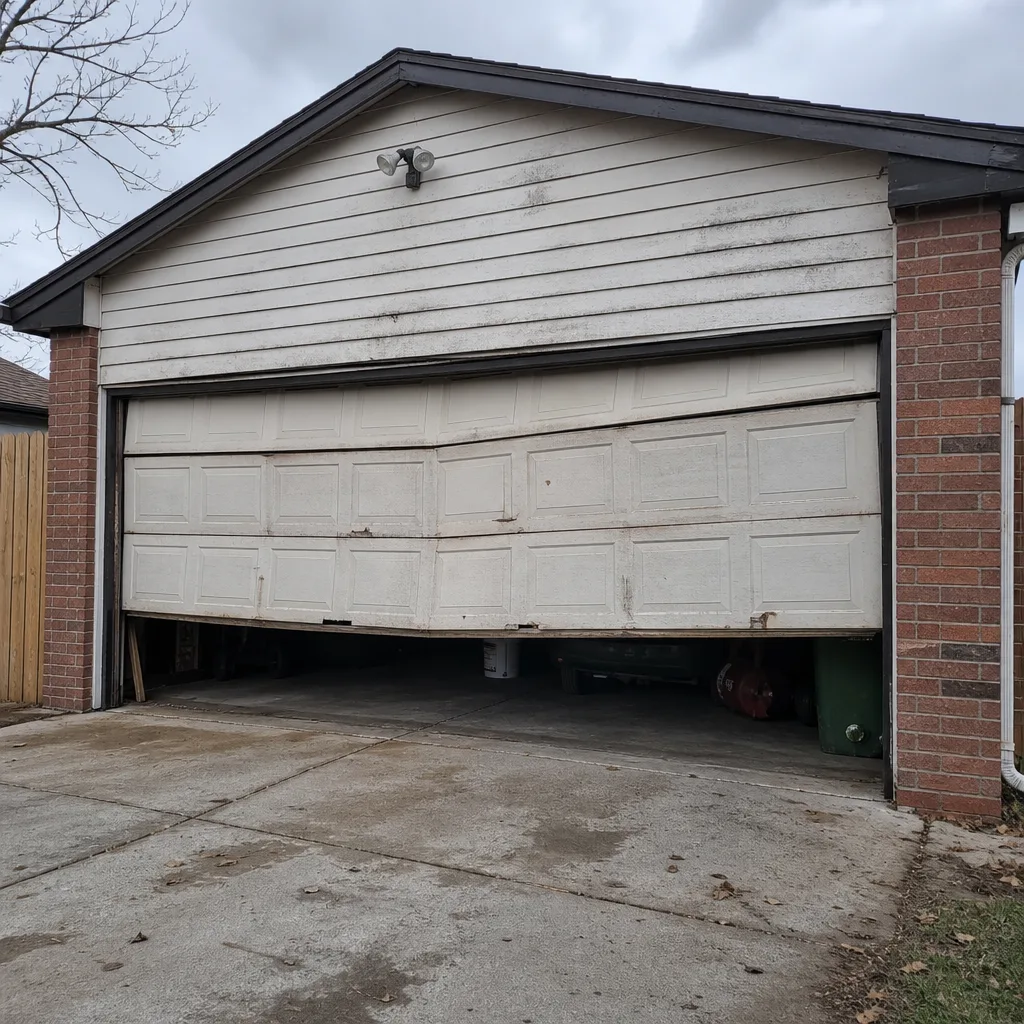 Before
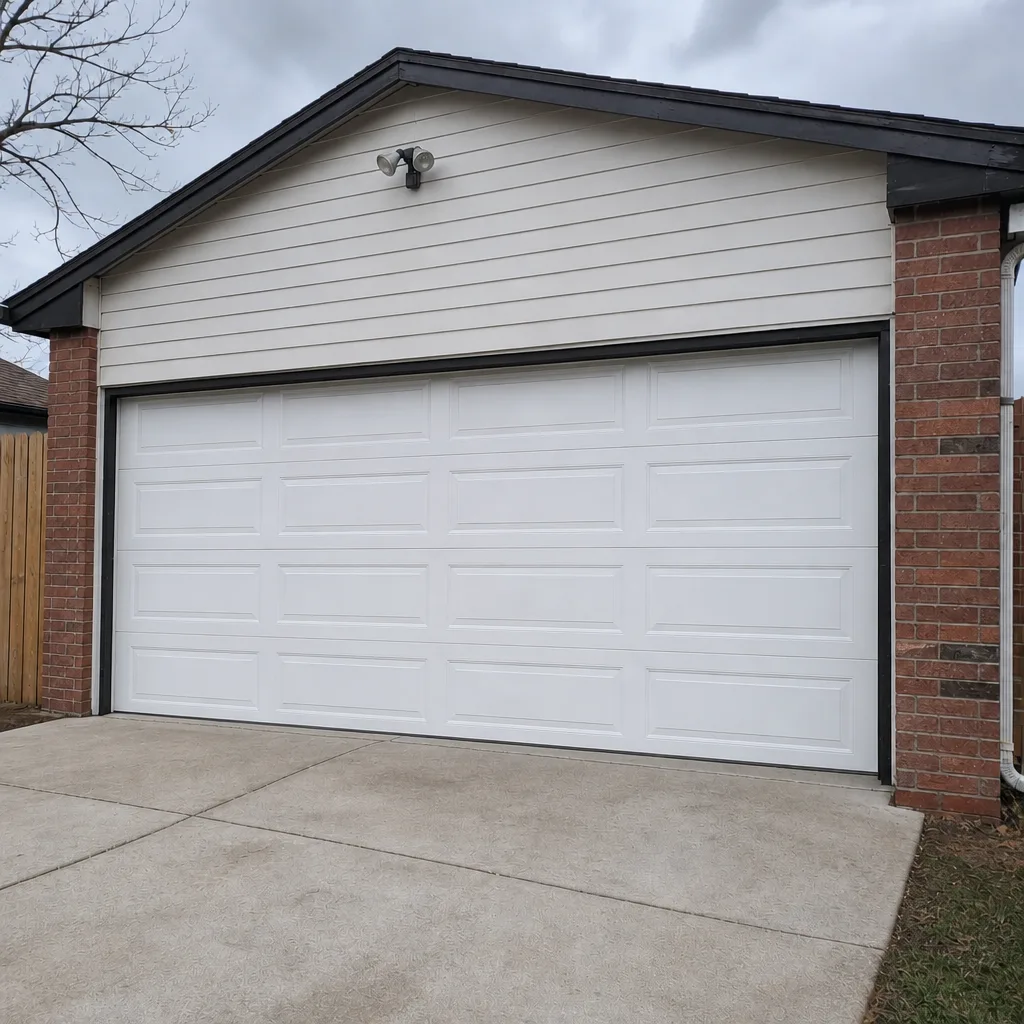 After
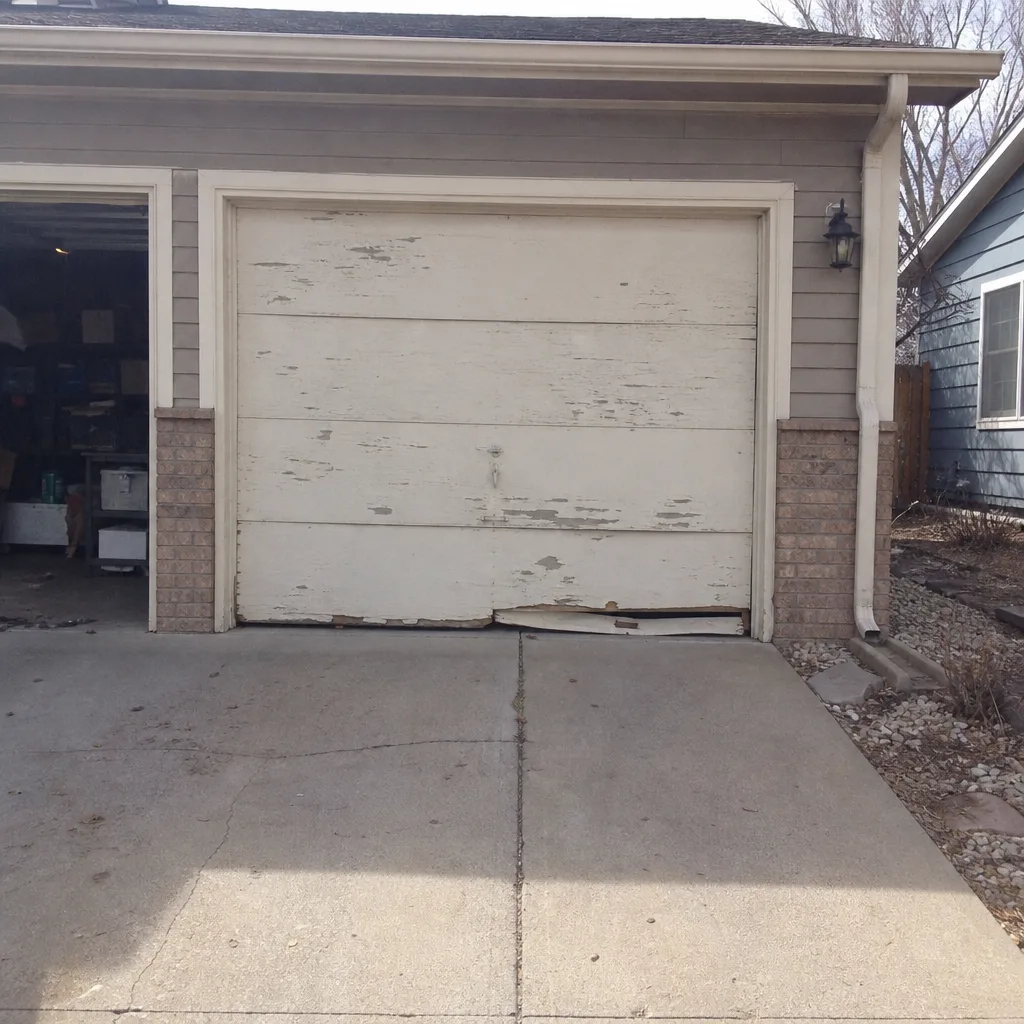 Before
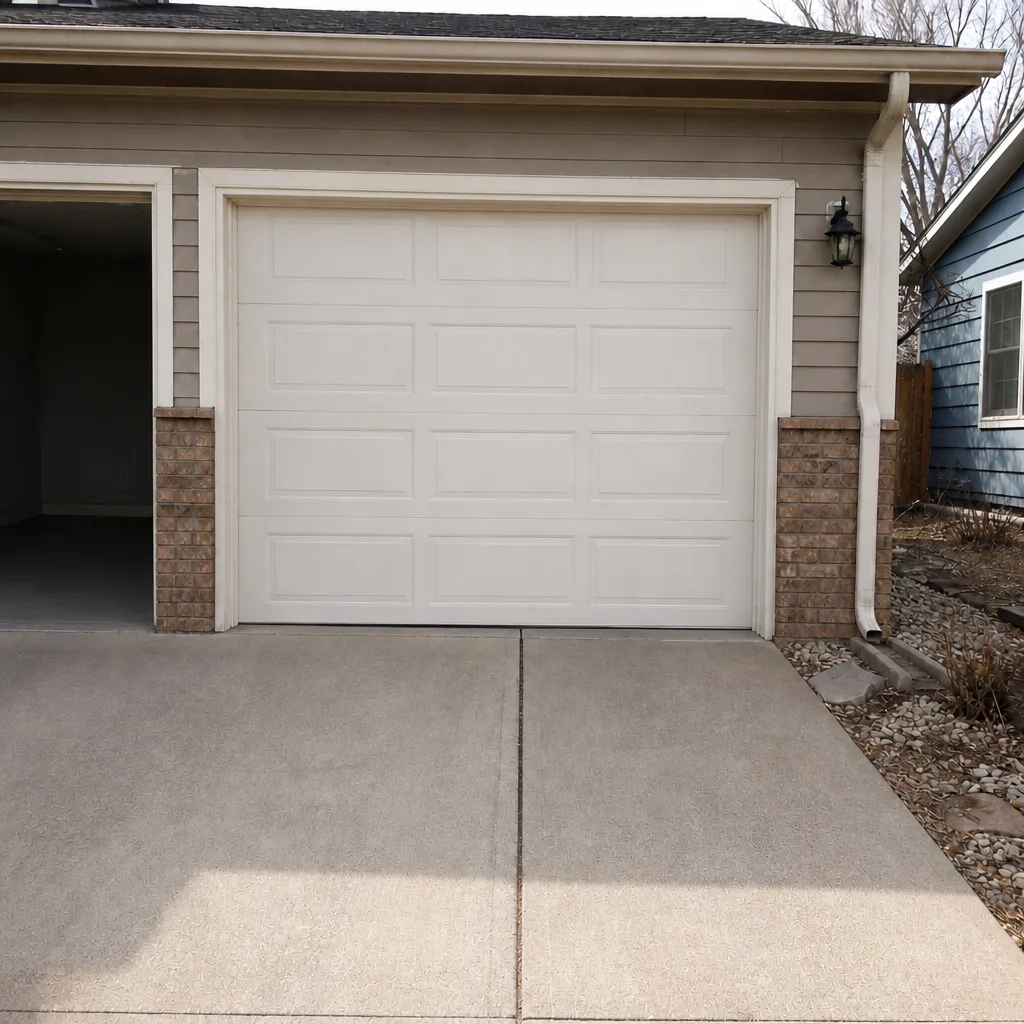 After
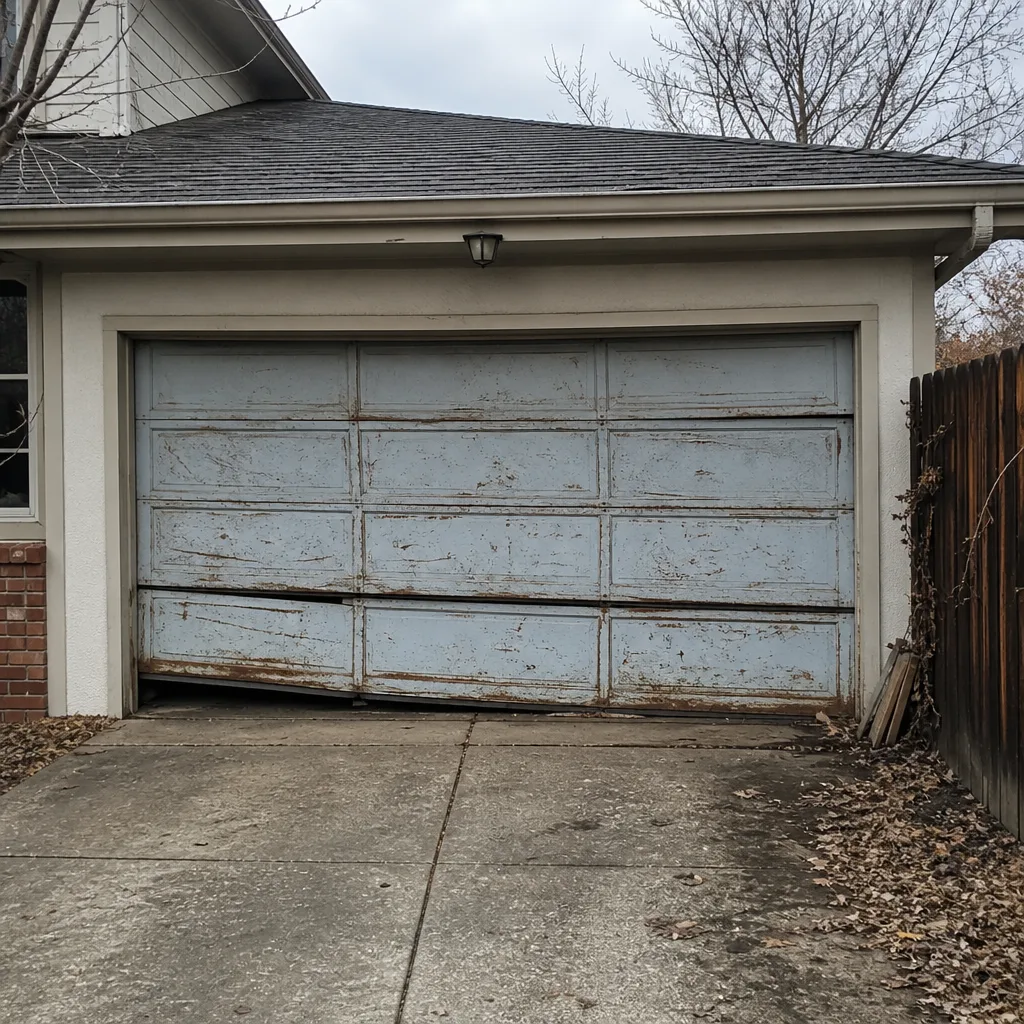 Before
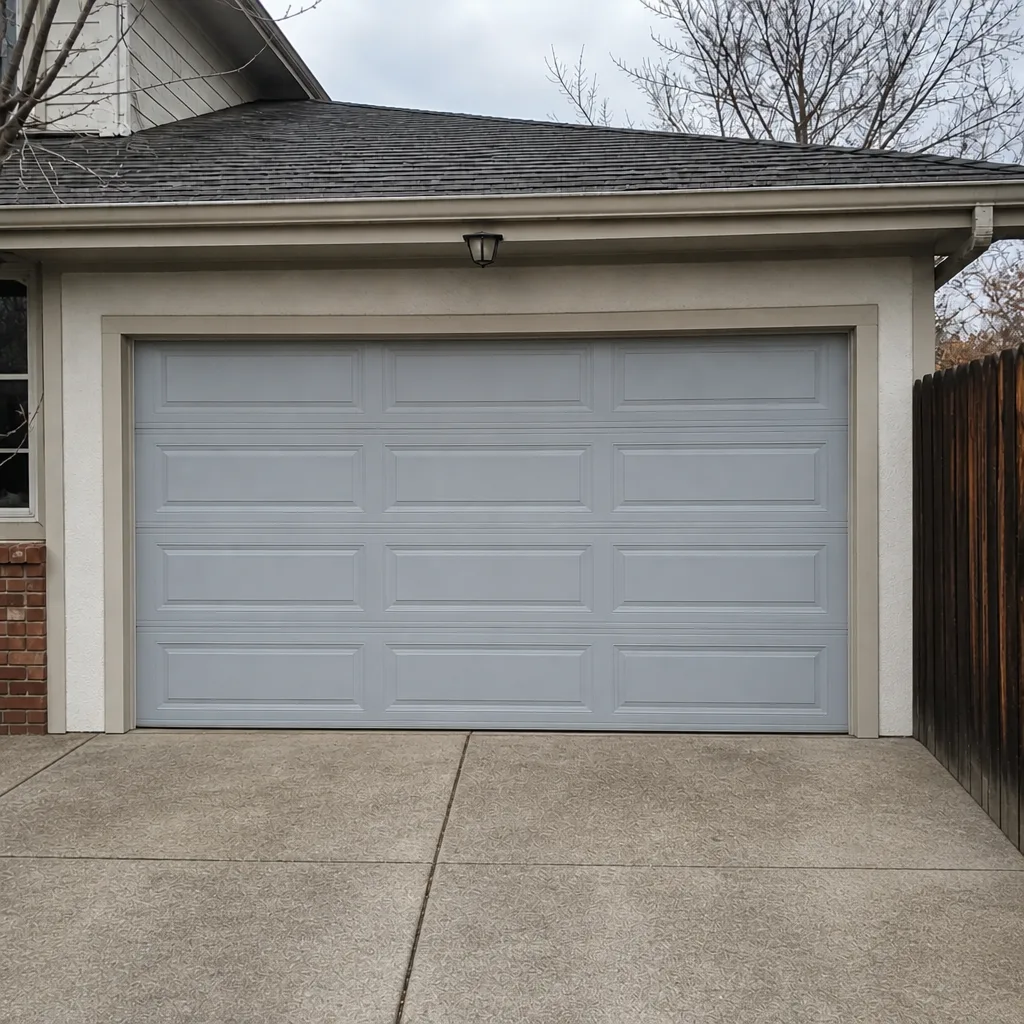 After
When to Call a Professional
Call a professional when the door is unsafe to operate, when a spring has failed, when a cable is frayed or snapped, when the door hangs crooked, or when the opener runs but the door doesn’t move. Call if the door lifts heavy by hand, if the safety reverse function fails, or if a sound that used to be occasional becomes constant. In Arvada, regular service around the seasonal swing also catches the small wear before it turns into a component failure. Arvada Garage Door Service offers free estimates in Arvada. Call (866) 984-9695. We answer 24/7. Fast dispatch, 7am-7pm, Sunday through Friday. The estimate is free, the price is written and agreed before any work begins, and the technician arrives already knowing the brands on your door. If you’re near the Arvada area and unsure which category your sign falls into, a phone call sorts it in a minute.
Frequently Asked Questions
A door that feels heavier than usual when you lift it by hand is the most common and most reliable early warning sign. It usually points to a spring losing tension. If you notice it, stop using the door and book a visit before it fails. Call (866) 984-9695 for an exact quote, and the estimate is free.
Pull the manual release, lift the door by hand, and see if it moves freely. If it does, the opener is the likely problem. If it’s heavy or drops hard, the door is the cause and the opener is fine. That single test sorts most cases. Call (866) 984-9695 and we’ll help you figure out which it is.
Grinding from one side is usually a safe-to-monitor sign, most often a worn roller bearing or dry track. Stop using the door if the grinding comes with the door hanging crooked, a frayed cable, or a door that won’t lift. Call (866) 984-9695 for an exact quote, and the estimate is free.
No. The written estimate sets the price, and it’s quoted and agreed before any work starts. What we find on arrival is what we price, and you decide from there. Call (866) 984-9695 for an exact quote.
A loud bang from overhead and a door that’s suddenly easy to lift, a frayed or snapped cable, a crooked door, or safety sensors that won’t stop the door mean stop using it and call. Grinding and minor squealing can usually wait a few days. Call (866) 984-9695. We answer 24/7 and dispatch fast from 7am to 7pm, Sunday through Friday.
Yes. Warm days and cold nights move metal and dry out seals, and Arvada’s dry air lets dust collect in tracks and on rollers. That’s why a monthly floor-level check catches more here than you’d expect. Call (866) 984-9695 for a free estimate.
The Bottom Line
Garage door failures rarely happen without warning. A door that lifts heavy, a grind on one side, a squeal from a hinge, a frayed cable, a seal gap, or an opener that strains all point to a specific part wearing out, and they show up days or weeks before something breaks. Your job is to read the signs. Do the five floor-level checks monthly, run the manual release test before you blame the opener, and treat a heavy lift or a failed spring as urgent. Everything else you can monitor while you book a visit. In Arvada, the weather moves metal, so the check matters. The rest is knowing when to call.
If something on your door doesn’t sound or feel right, call Arvada Garage Door Service at (866) 984-9695 for a free estimate. We answer 24/7. Fast dispatch, 7am-7pm, Sunday through Friday. The price is quoted and agreed before any work starts, and because we work on your brand and this is all we do, there’s no guesswork when we arrive.
Written by the team at Arvada Garage Door Service.