
Last updated November 15, 2026
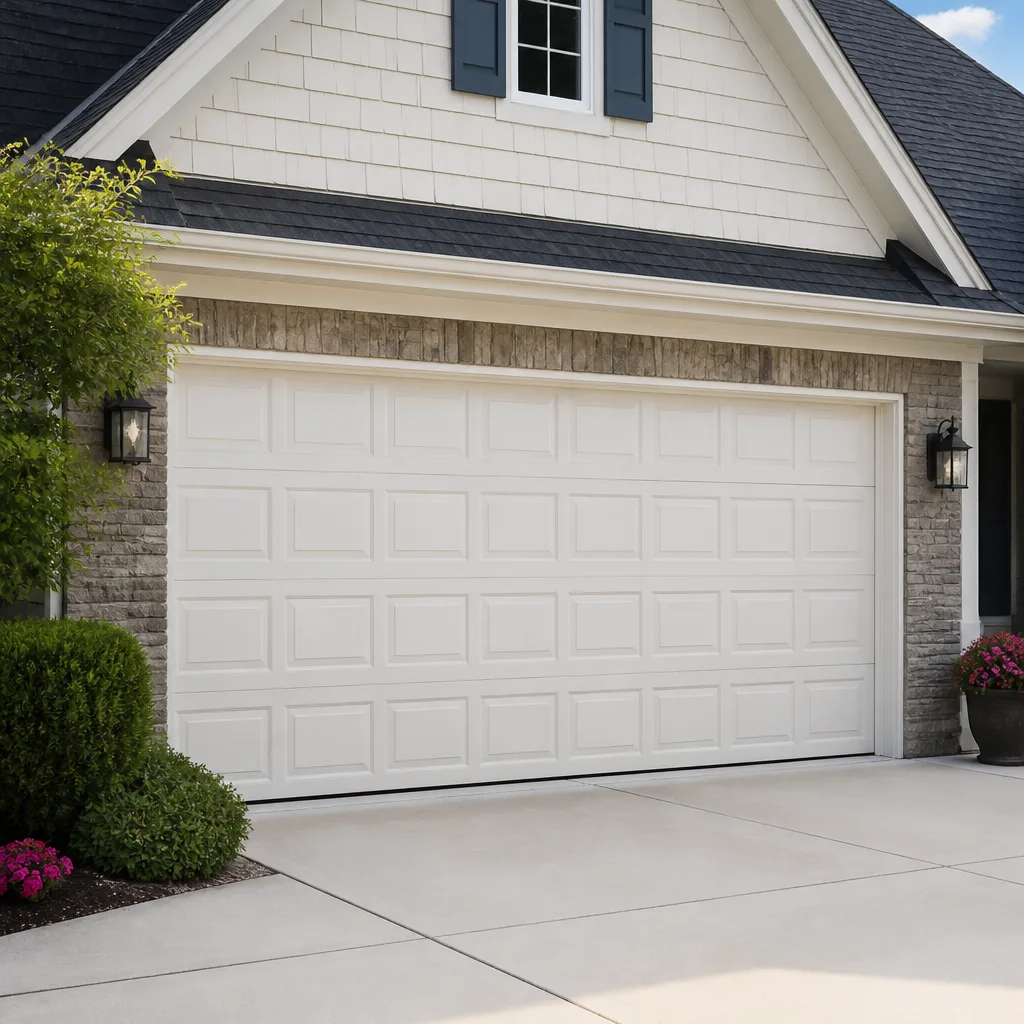 Raised-panel steel
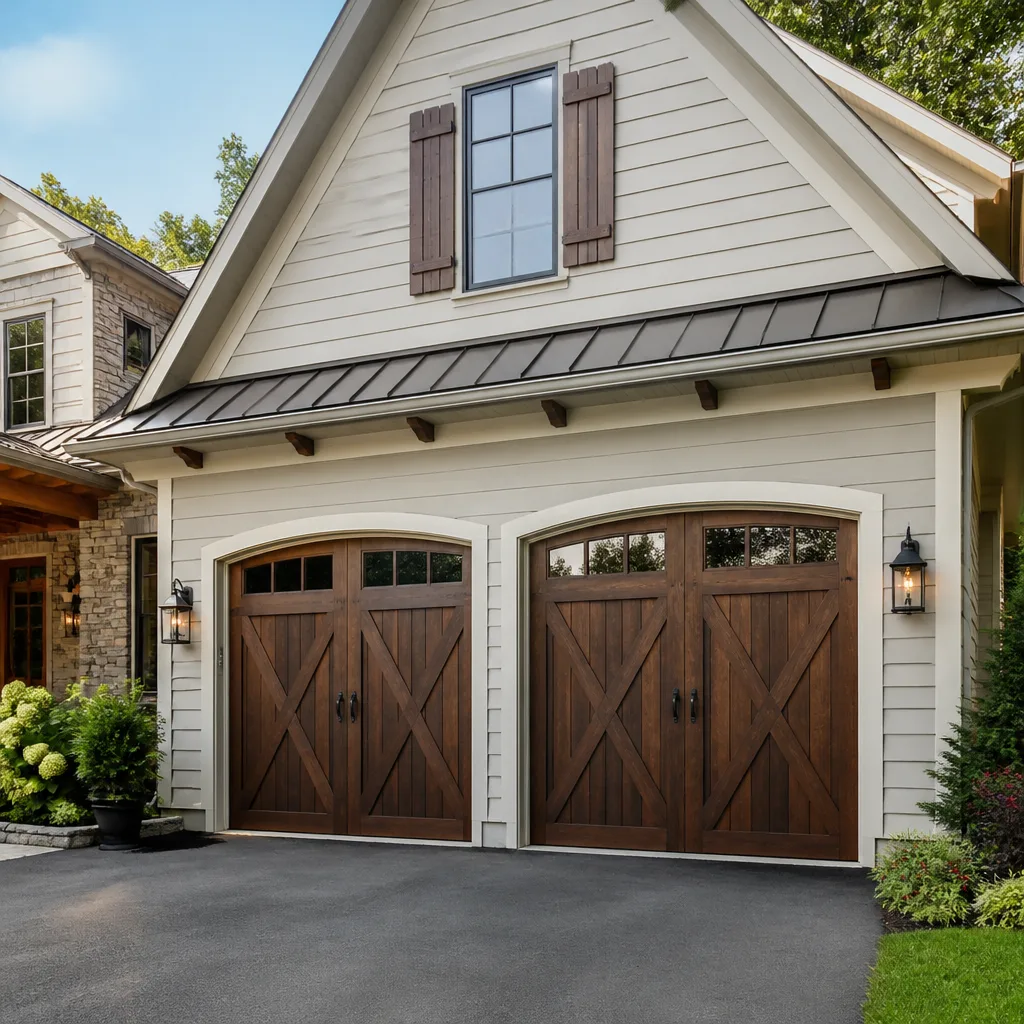 Carriage house
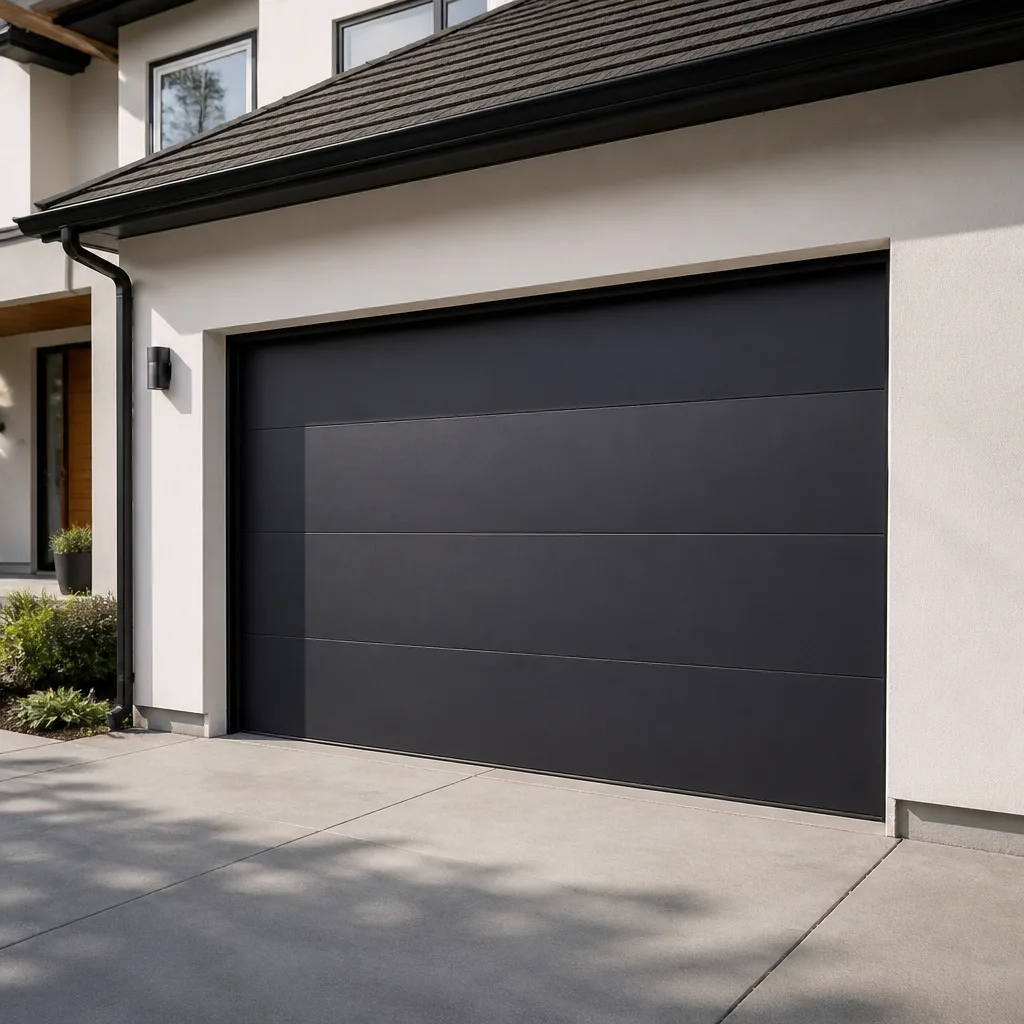 Modern flush
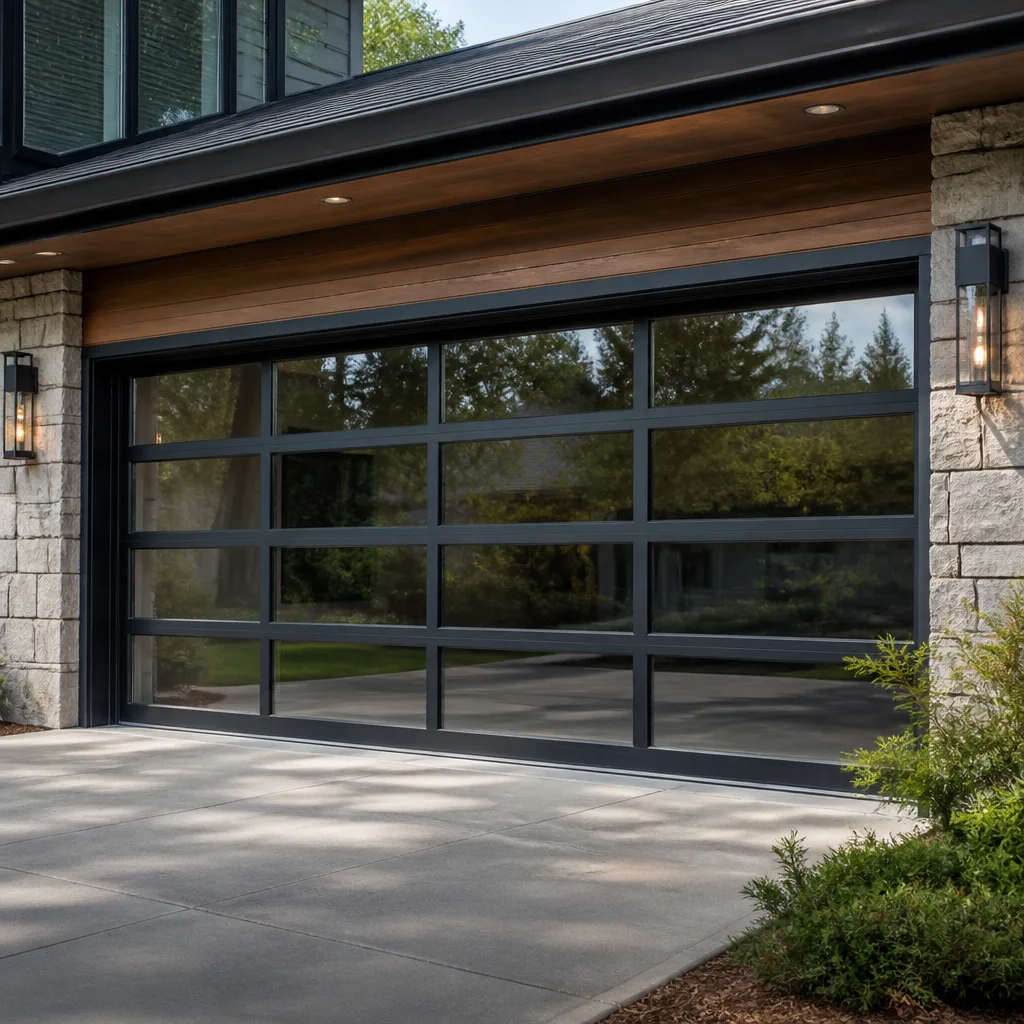 Full-view glass
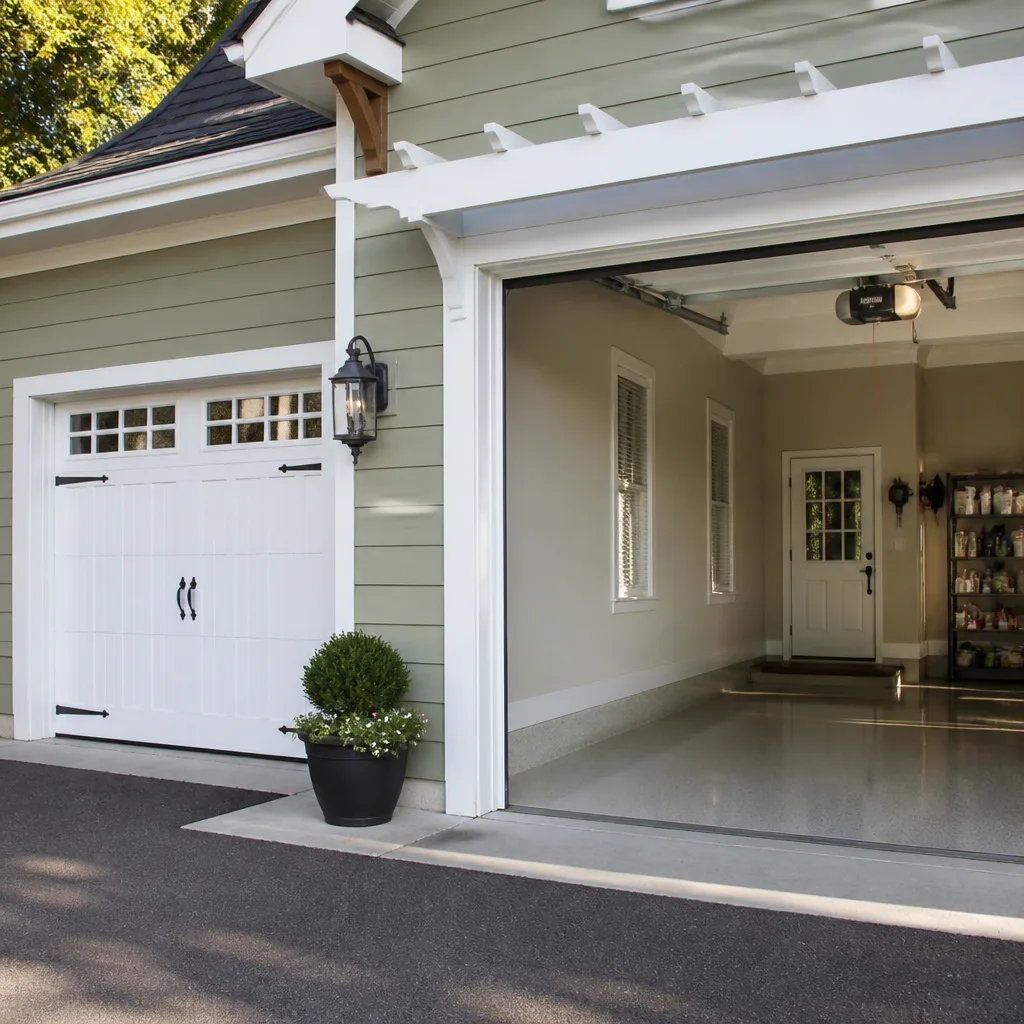 LiftMaster openers
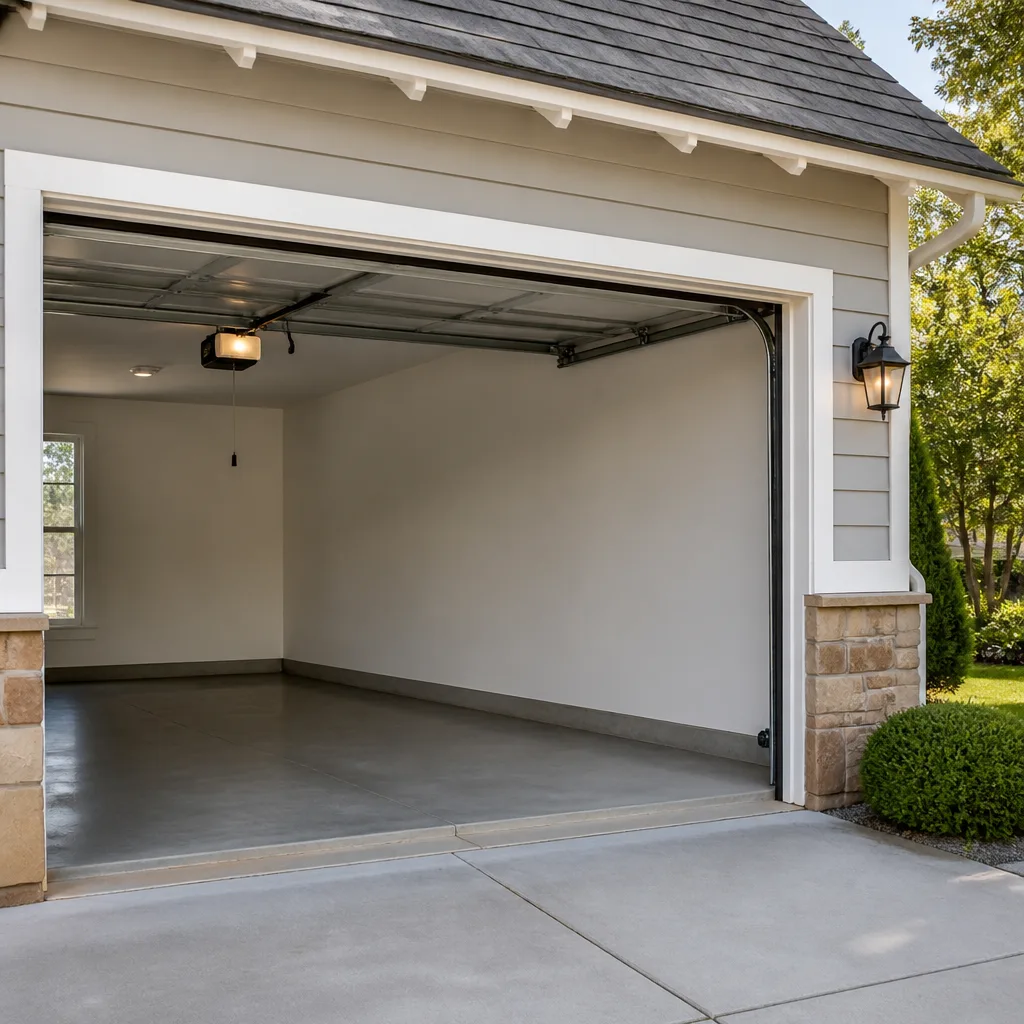 Chamberlain openers
Full 25-point door and opener safety check with every visit - springs, cables, rollers, tracks, and your LiftMaster or Chamberlain opener included
You get a price before we start. It does not change when the pro arrives.
Get your free estimateHow to Hire a Garage Door Contractor in Arvada: A Step-by-Step Guide
Colorado does not require a state contractor license specifically for garage door installation, which means the person quoting your job may have been in another trade entirely six months ago. That’s the part most homeowners never hear. A garage door is the largest moving object on a house, it runs on high-tension springs that can injure badly when handled wrong, and it’s one of the few home systems that combines structural weight, electrical controls, and daily safety. Yet the barrier to calling yourself a garage door contractor in Arvada is close to zero. This guide walks you through the vetting questions, the quote red flags, and the scope-of-work language that separate a specialist from a guesser.
Quick Answer
To hire a garage door contractor in Arvada, verify liability insurance by requesting a certificate of insurance with coverage amounts, confirm the company specializes in garage doors rather than general handyman work, ask for a written scope of work that itemizes springs, hardware, and warranty terms by manufacturer, and get at least three bids to compare. Because Colorado has no garage-door-specific state license, your vetting replaces the licensing board. A brand-agnostic specialist who works on multiple manufacturers, like Clopay and Amarr, usually gives you straighter advice than a single-brand dealer.
Styles & brands we work with
- Raised-panel steel
- Carriage house
- Modern flush
- Full-view glass
- LiftMaster openers
- Chamberlain openers
Table of Contents
- Why Hiring a Garage Door Contractor in Arvada Takes Extra Care
- How Do You Verify Insurance and Credentials That Actually Matter?
- Manufacturer-Authorized Dealer vs. Brand-Agnostic Specialist
- Red Flags in a Garage Door Quote
- Why the Lowest Bid Usually Isn’t the Cheapest Job
- How to Structure a Written Scope of Work
- The Questions to Ask Before You Sign Anything
- A Step-by-Step Hiring Walkthrough
Why Hiring a Garage Door Contractor in Arvada Takes Extra Care
Garage door work sits in an unusual gap. Colorado regulates electricians, plumbers, and roofers through licensing, but there’s no garage-door-specific state credential. That means the consumer protection you’d normally rely on is missing, and the burden shifts to you. In our experience, the single biggest source of bad outcomes isn’t a bad product; it’s a crew that’s never worked on your brand and learns the system while your door hangs open.
Arvada adds a few local wrinkles that make specialization matter more, not less. Our winters cycle a door through dramatic temperature swings, and the freeze-thaw pattern puts stress on springs, cables, and hinges in a way milder climates don’t. The housing stock is equally mixed: older neighborhoods with original wood doors sit a few streets from newer builds with modern insulated steel. A contractor who’s only installed one system may not know how to repair the other.
Here’s the practical takeaway. Because there’s no license to check, the questions you ask do the vetting. In this guide we’ll cover how to verify real insurance coverage, how to read a quote, how to spot vague spring language, and how to lock down a written scope so the job doesn’t expand after the door comes apart.
One more thing worth saying up front: Arvada Garage Door Service works on eight of the most widely installed residential brands in North America, which means the technician who shows up already knows your system. That’s a different starting point than a general contractor who’s never touched a LiftMaster.
How Do You Verify Insurance and Credentials That Actually Matter?
You verify insurance by asking for a certificate of insurance (COI) sent directly from the contractor’s insurance agent, not a photocopy the contractor hands you. The COI must list a general liability coverage amount, the policy effective dates, and the policyholder’s legal business name. If any of that is missing or the dates have lapsed, treat the bid as uninsured.
“They have insurance” is not the same as “they have enough insurance to cover a garage door failure.” Garage door incidents can involve vehicle damage, structural damage to the opening, or injury to a person under the door. A policy with a very low limit may technically exist but leave you exposed. So don’t just confirm the box is checked; ask what the coverage amount is.
Walk through this checklist before agreeing to any work:
- Request the COI from the agent. Ask the agent to email it to you directly. A legitimate business won’t hesitate.
- Confirm the policy name matches the company quoting you. If the quote comes from “XYZ Garage Door” but the COI names a different entity, ask why.
- Check the coverage dates. An expired policy is no policy.
- Ask about the liability limit. If it feels thin for the size of the job, that’s a real concern.
- Ask who actually performs the work. If a subcontractor is doing the install, their insurance should also be in place.
- Keep the COI on file. It’s your record if anything goes wrong.
Beyond insurance, ask how long the technicians have been doing garage door work specifically. Our own technicians have up to 8 years of experience, and that tenure on this single trade is what keeps systems from being figured out on the job. A general handyman shop spread across plumbing, HVAC, and general repair won’t have that same depth, no matter how long the company has been around.
If you want a sense of what repair work actually looks like once you’ve hired well, our garage door repair page lays out the common failures we see around Arvada and what they involve.
Manufacturer-Authorized Dealer vs. Brand-Agnostic Specialist
A manufacturer-authorized dealer sells and services one brand, often with a manufacturer-trained certification. A brand-agnostic specialist services multiple competing brands. Both can do good work, but they give you very different advice. A dealer’s recommendation naturally leans toward their brand because that’s what they sell and stock; a specialist can recommend based on your situation because their expertise isn’t tied to a single manufacturer’s incentive.
Why this matters in Arvada specifically: the housing stock here isn’t standardized. A street of older homes may have Wayne Dalton doors, while a newer development might have Clopay. When you need one door repaired or replaced, a dealer who only knows their own product line may not have the right parts on hand, or may steer you toward a full replacement when a repair was viable.
The distinction isn’t about who’s “better.” It’s about the question you’re asking. If you’re buying a new door and you’ve already decided on a specific manufacturer, a dealer for that brand makes sense. If your existing door is a brand you didn’t choose, or you’re not sure what you have, a brand-agnostic specialist is more useful.
Here’s how to tell them apart when you’re researching:
- Dealer: website and quotes revolve around one brand; may not carry replacement parts for other brands; advice often points back to their product.
- Brand-agnostic specialist: explicitly services multiple brands; can quote like-for-like options across manufacturers; more likely to repair before recommending replacement.
We’re firmly in the second camp. We work on Clopay, Amarr, Wayne Dalton, LiftMaster, Chamberlain, Genie, Craftsman, and Raynor, and we install and repair across them. Because we don’t profit from steering you to one brand over another, “repair or replace, honestly” is more than a slogan; it’s the only position that lets us give you a straight answer.
This also applies to openers, which many contractors treat as a separate, secondary business. In our experience, openers are where brand fluency matters most: a Genie and a Chamberlain fail in different ways, and the diagnostic path differs. Our garage door opener repair service treats opener work as a core specialty, not a side job.
Red Flags in a Garage Door Quote
Red flags in a garage door quote usually show up as vague language, not as obvious errors. The most common is a spring replacement described without specifying size, cycle rating, or whether it’s one spring or a matched pair. A torsion spring that’s undersized for your door will fail sooner, and a quote that just says “spring replacement” doesn’t tell you which spring you’re getting.
Here’s what to look for:
- No spring specifications. A proper quote states the spring type (torsion or extension), wire size, and cycle rating, or explains that the technician will match the original during service. “Spring replacement” alone tells you nothing.
- Missing hardware line items. Bearings, rollers, hinges, cables, and drums should each appear if they’re being replaced. A lump-sum “full tune-up” with no itemization hides what’s actually being done.
- “Lifetime warranty” with no named manufacturer. If the warranty language doesn’t name a manufacturer and doesn’t specify what’s covered (parts, labor, both), treat it as marketing. A manufactured warranty is a document; a verbal promise isn’t.
- No written scope. Any quote that’s a text message or a verbal estimate shouldn’t be accepted for structural work.
- Pressure to decide immediately. A specialist will give you a written estimate you can review without a countdown.
- No mention of door weight or brand. If the contractor can’t tell you what kind of door you have, they can’t quote the right parts.
One Arvada-specific note: our temperature swings mean spring cycle ratings deserve a closer look than they might get in a milder climate. Ask what cycle rating a replacement spring carries and compare it against the original. A lower-cycle spring at a lower price isn’t a savings; it’s a shorter lifespan.
And on openers, quoted work should name the brand and model being repaired or replaced. If you have a Craftsman or LiftMaster unit, the quote should reflect that, not be a generic “opener service.” Brand fluency is the difference between a diagnosis and a guess.
Why the Lowest Bid Usually Isn’t the Cheapest Job
The lowest garage door bid often signals parts substitution, not efficiency. When one quote comes in well under the others for the same visible scope, something in the invisible details is different: spring grade, cycle rating, hardware quality, or labor time. That’s not always dishonest, but it’s worth asking what changed.
The most common substitution is commercial-grade components sold as residential quality, or the reverse. A spring with a lower cycle rating is cheaper to make and will fail sooner. A thinner-gauge hinge will wear faster. These aren’t visible when the door is assembled, which is exactly why they’re where cheap bids cut corners. A warranty that names a manufacturer and specifies cycle or grade is your protection; “lifetime warranty” alone is not.
There’s a second reason a bid can come in low: the contractor is treating installation as a general repair job. A door install requires measuring the opening, matching spring tension to door weight, balancing travel, and setting the opener’s force limits. That’s precision work. A crew that prices it like hanging a shelf may get the door up but leave it out of balance, straining the opener and shortening the life of every component.
Here’s how to read price differences:
- Compare line items, not totals. Two bids with the same total can describe very different jobs.
- Ask about cycle rating. A higher-cycle spring costs more and lasts longer.
- Ask who manufactures the hardware. Named brands are a signal; generics are not automatically bad but they’re worth questioning.
- Treat “lifetime warranty” as a question. Lifetime of what, covering what, issued by whom?
The point isn’t that the lowest bid is always wrong. It’s that a low bid should come with a specific written explanation of what it includes, not a handshake and a verbal promise. If the price can’t be explained, the savings probably aren’t real.
How to Structure a Written Scope of Work
A written scope of work should list every part being replaced or installed, specify the brand and model where applicable, state the warranty terms and who backs them, and put the total price in writing before any disassembly. That last part matters most: once the door is apart, the “unexpected additional work” conversation gets much harder to have on even footing.
Use this structure as a template for what you should see in any quote:
- Project summary. One or two sentences describing what’s being done (repair, opener service, or full installation) and for which door and opener.
- Itemized parts list. Every spring, cable, roller, hinge, bearing, and opener component should be listed with size or specification.
- Brand and model. For doors and openers, name the manufacturer. For repairs, name the replacement part manufacturer if there’s a choice.
- Labor description. What’s included: removal, installation, adjustment, testing, haul-away.
- Warranty. Manufacturer warranty separately stated from any labor warranty, with duration and who honors it.
- Total price and payment terms. Written, agreed, and signed before work begins.
- Conditions for change. A line that says what triggers a revised quote and how that gets agreed before extra work continues.
The conditions clause is the piece most homeowners never think to ask for. If disassembly reveals a cracked bracket or corroded drum, you want a written rule that the additional work is quoted and approved before it proceeds, not discovered on the invoice. Any written estimate is designed to lock this in. That’s why the phrase “the written estimate sets the price” matters; it’s the difference between a quote and a guess.
For larger jobs, a scope of work should also say what happens to the old door or opener. Haul-away isn’t automatic, and if it’s not in the scope, it’s a cost that shows up later.
The Questions to Ask Before You Sign Anything
The best questions are specific ones the contractor can’t answer with a script. A specialist will give you direct answers; a generalist will hedge. Run through this list with each bidder, and hold onto the answers in writing.
- “What brand and model is my door, and what brand is my opener?” If the answer is a shrug, that’s your sign.
- “What spring are you replacing, and what’s the cycle rating?” A specific answer here separates specialists from generalists.
- “Can I see your certificate of insurance from your agent?” The word “agent” is doing the work.
- “What manufacturer warranty applies, and who honors it?” Named manufacturer, named duration, or it’s marketing.
- “What’s in your written scope, and what happens if you find more once the door is apart?” If the answer is vague, insist on a written conditions clause.
- “Do you subcontract any of this work?” Not automatically a problem, but you should know whose insurance covers it.
- “What are your hours, and will the same team handle repair and installation?” If the answer separates repair, opener work, and installation into different sub-brands, ask who actually shows up.
For reference on what a well-run specialist does and doesn’t offer, our Arvada page walks through the local context. When you call, we answer 24/7 and dispatch from 7am to 7pm, Sunday through Friday, closed Saturday. Estimates are free. We don’t invent a fee, a time, or a rate.
That’s worth asking about, too. Some shops charge a service call fee, some don’t. We don’t. And we don’t upsell a replacement when a repair is the right call, because we do both.
A Step-by-Step Hiring Walkthrough
Here’s the sequence that works, in order. Each step builds on the last, so don’t skip ahead.
- Identify your system first. Find the brand label on your door (inside, on the end stile) and on your opener (typically on the motor housing). Write those down before you call anyone. A LiftMaster opener paired with a Wayne Dalton door is common, and knowing both lets the contractor quote accurately.
- Shortlist three contractors who specialize in garage doors. Not generalists. Ask each one if garage doors are all they do, and how many brands they service. If the list is one brand, ask yourself whether that brand is what you already have.
- Request written estimates. Each should include a parts list, brand and model, labor description, warranty terms, and a written total. Free estimates are normal; a written scope should never cost you money to receive.
- Verify insurance for your chosen bid. Ask the agent, not the contractor, for the COI. Confirm coverage amount and effective dates.
- Compare line items, not totals. Look for named brands, cycle ratings, and warranty terms. Ask about any item that feels thin.
- Ask the “what if” questions. What changes if disassembly reveals more? How is additional work quoted and approved? Get this in writing.
- Book the job, then hold the line. Once scheduled, confirm the parts list matches the scope before work begins. The written estimate is your anchor.
The one step homeowners skip is the first. Identifying your brand and model takes ten minutes and improves every quote you get, because the contractor isn’t guessing. It also lets you spot the moment a bidder is bluffing. When someone’s fluent in Clopay or Amarr, you can tell; when they’re not, that’s your cue to keep shopping. We’ve made this the core of how we work for a reason: garage doors are all we do, so there’s no learning curve for you to pay for.
Common Mistakes to Avoid
- Accepting a verbal quote. Without a written scope, you have no record of what was agreed or what was omitted. Structural work always needs paper.
- Confirming insurance with anyone but the agent. A photocopy proves nothing. A COI from the agent, with dates and coverage amounts, is the only document worth accepting.
- Choosing a contractor who handles every trade. A garage door is a specialized system. In Arvada, where freeze-thaw cycles work against the springs, you want a specialist who understands the load, not a generalist squeezing it in.
- Skipping the “what if” conversation. Agree in writing how additional work gets quoted and approved before anything is disassembled.
- Using “lifetime warranty” as a deciding factor. If it doesn’t name the manufacturer and specify what’s covered, it’s not a warranty; it’s a phrase.
- Overlooking brand mismatch. If your house has a Wayne Dalton door and a Chamberlain opener, a single-brand dealer may not service or replace both well. Ask about brand coverage early.
- Forgetting haul-away. Old doors and openers don’t disappear on their own. It should be listed in the scope.
See the difference
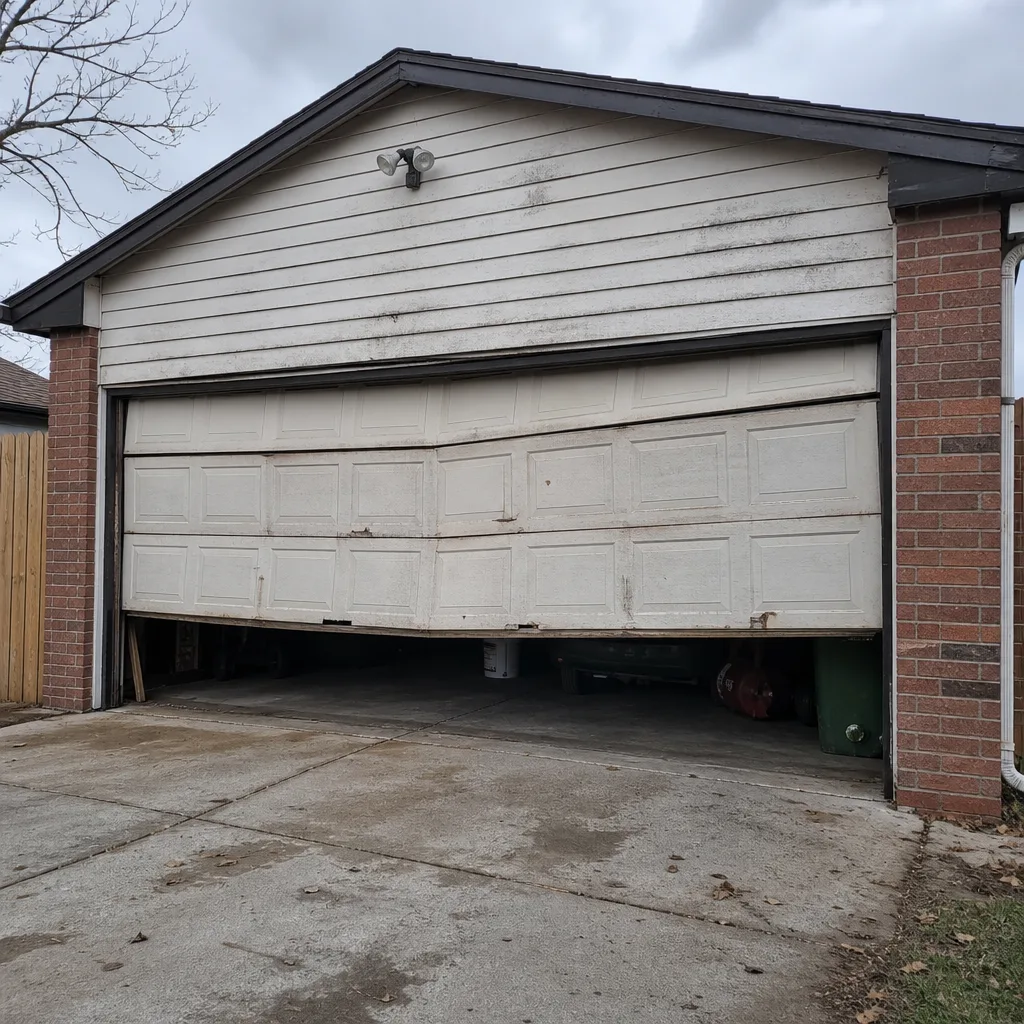 Before
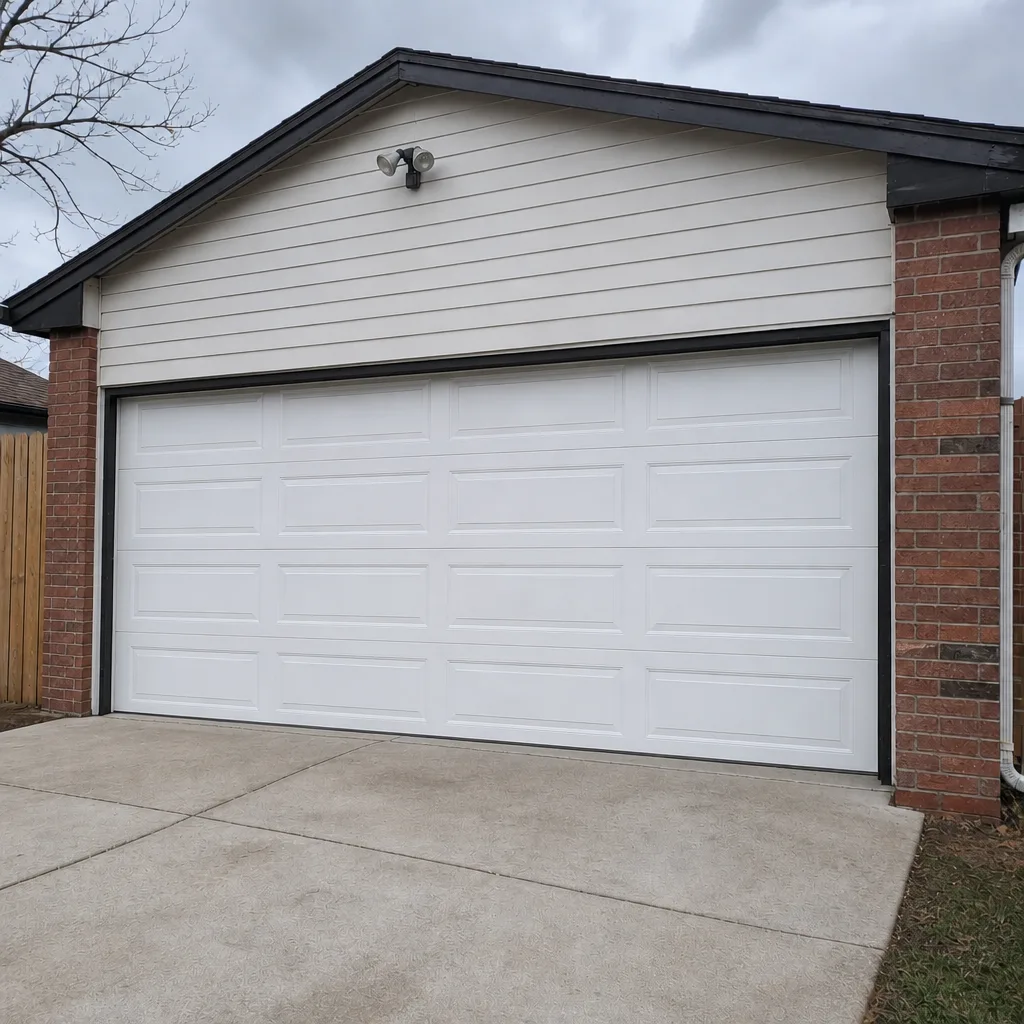 After
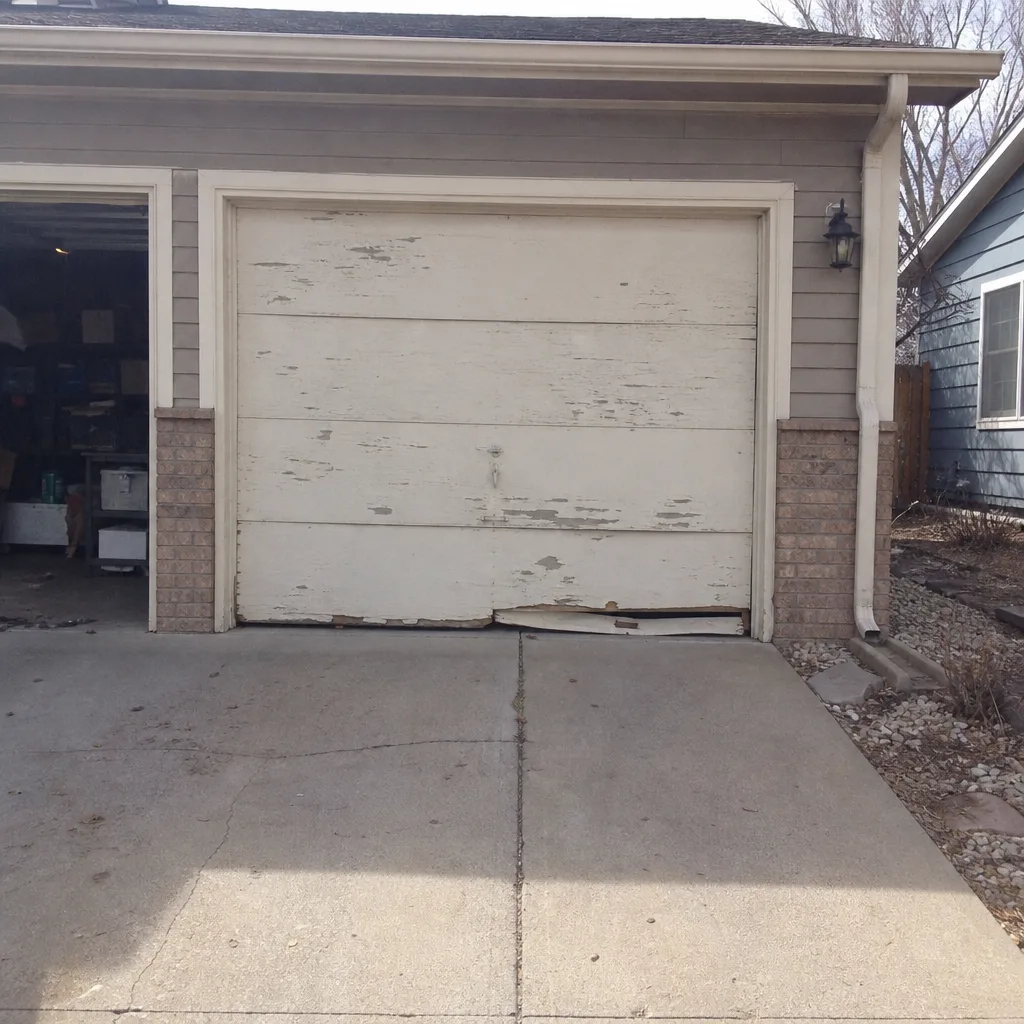 Before
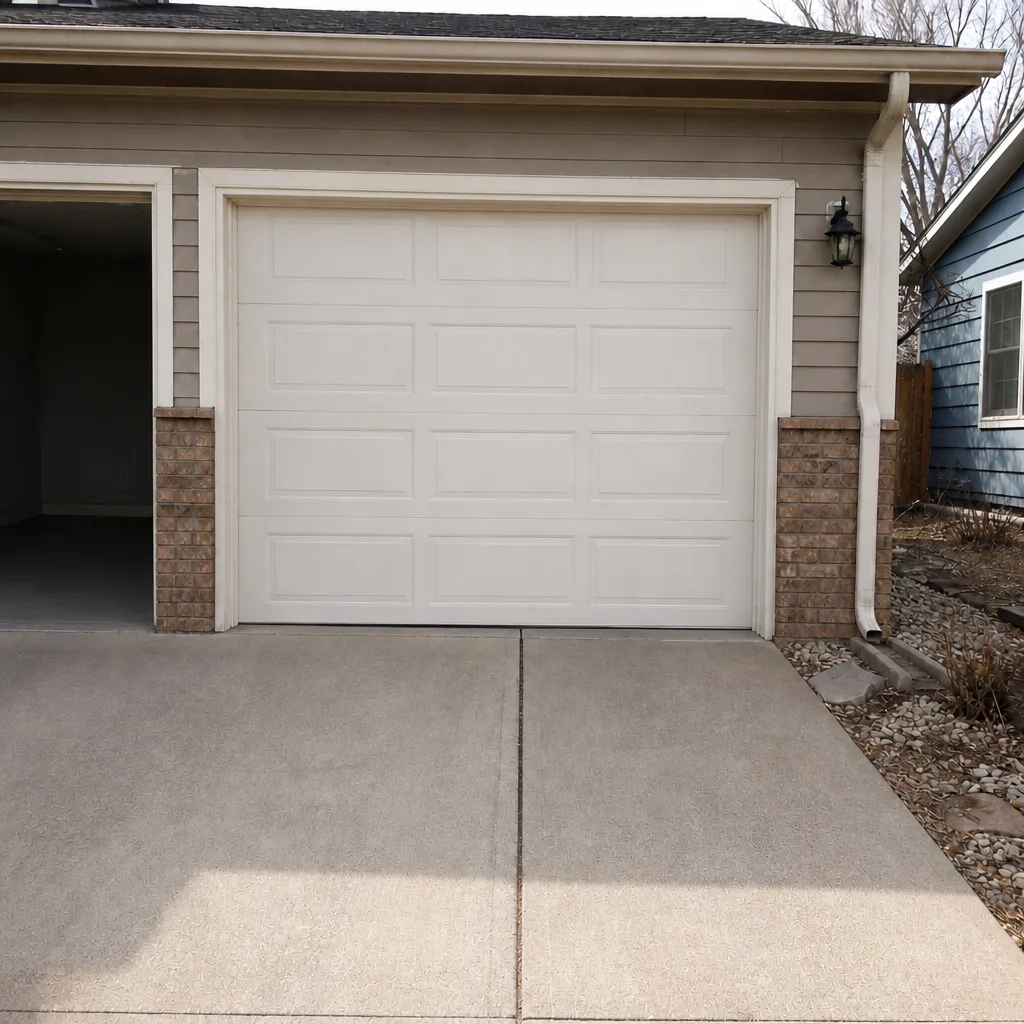 After
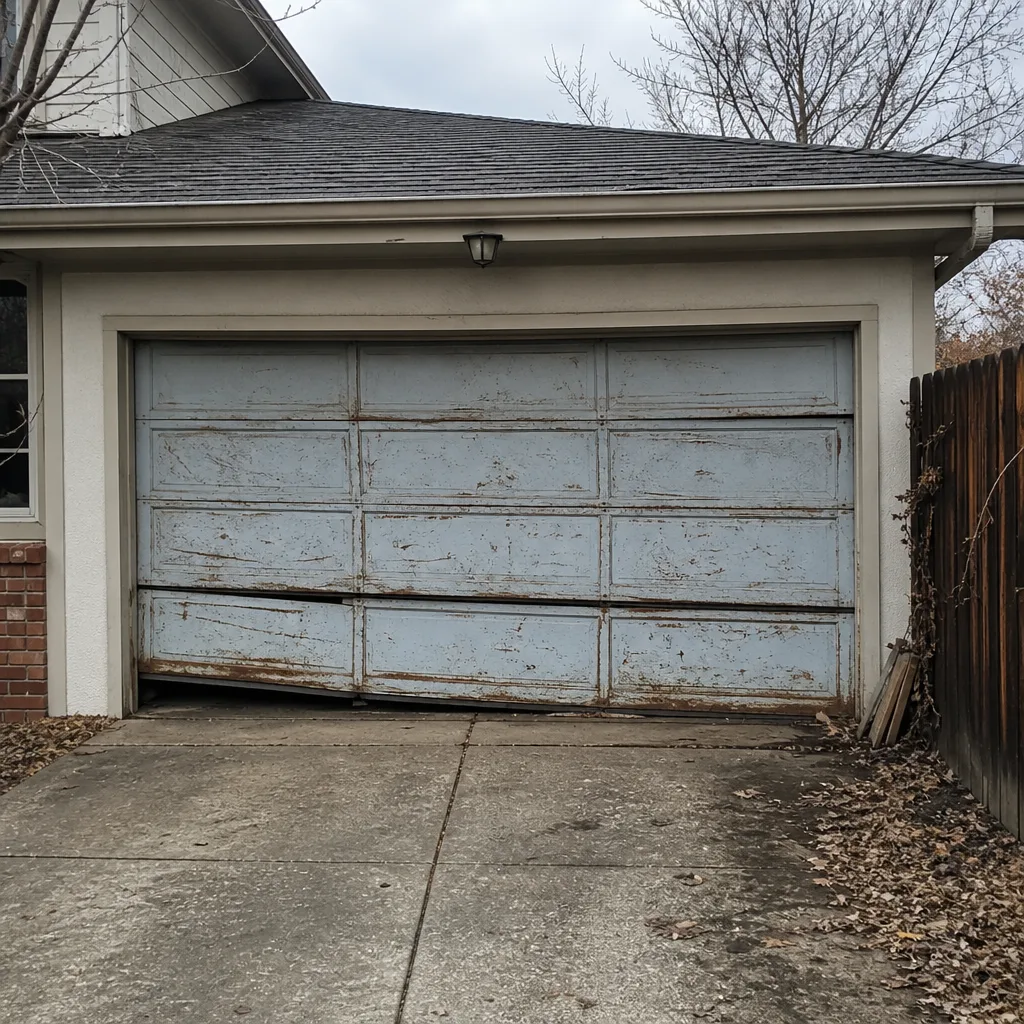 Before
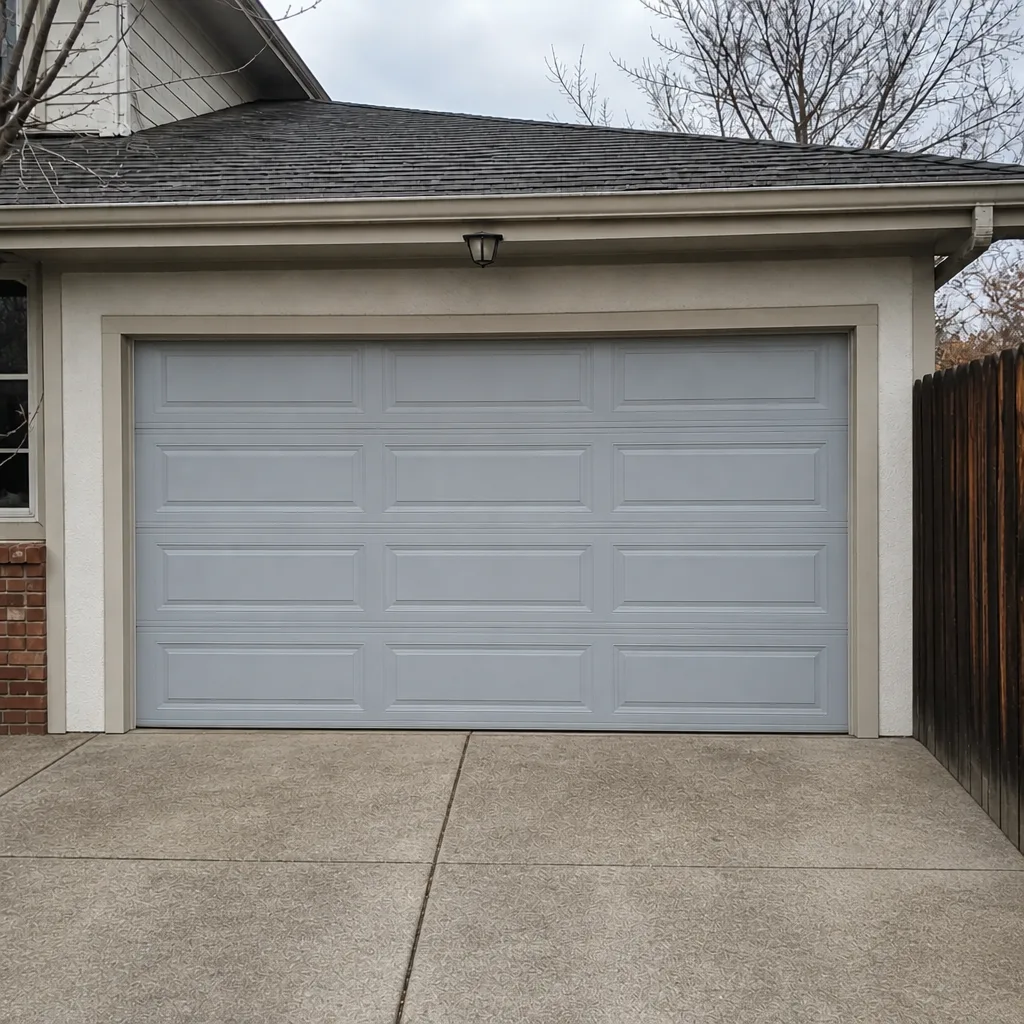 After
When to Call a Professional
Call a professional when a spring or cable has failed, when the door comes off its track, when an opener runs but the door doesn’t move, or when the door reverses unexpectedly. Those are all safety-relevant, and the culprit is often a high-tension component that shouldn’t be handled without proper tooling and training. Never attempt a torsion spring or cable repair on your own; the stored energy can cause serious injury, and a professional can service it safely.
Also call when you’re planning a replacement. Measuring the opening, weighing the door, matching springs to load, and setting the opener’s force limits are all precision steps. A good installation prevents years of minor failures. We offer free estimates in Arvada. Call (866) 984-9695 to book one. We answer 24/7. Fast dispatch from 7am to 7pm, Sunday through Friday. If you call during a time we’re closed, your request is booked into our next opening. The price is always set per job by the written estimate, agreed before any work starts.
Frequently Asked Questions
No. Colorado does not require a state contractor license specific to garage door installation or repair. That’s exactly why the homeowner’s vetting process matters more here than in licensed trades. You confirm insurance, specialization, and written scope yourself, which is why this guide focuses on those three.
Request a certificate of insurance sent directly from the contractor’s insurance agent, confirm the policyholder name matches the business quoting you, check that the effective dates are current, and ask about the liability coverage amount. A COI from the agent is far more reliable than a photocopy handed to you by the contractor. Call (866) 984-9695 if you’d like to talk through what a quote should look like; estimates are free.
Not automatically, but it’s often a better fit when your home mixes brands or when you don’t know what’s installed. A dealer naturally recommends their own product. A brand-agnostic specialist can quote across manufacturers and is more likely to repair before replacing. In Arvada, where housing stock spans several generations of doors and openers, that flexibility matters.
A written quote should include an itemized parts list, brand and model where applicable, labor description, manufacturer warranty terms stated separately from labor warranty, the total price, payment terms, and a clause stating how additional work gets quoted and approved before it proceeds. Anything less leaves room for the job to expand after the door is disassembled.
Yes. The most common reason a bid comes in well below others is parts substitution, such as a lower-cycle spring or thinner hardware that fails sooner. Compare line items, not totals, and ask what cycle rating and manufacturer the parts carry. A quote with a specific explanation is worth more than a handshake and a lower number.
That depends on the opener. Many failures are repairable, and our technicians have up to 8 years of experience with LiftMaster, Chamberlain, Genie, and Craftsman systems, alongside door brands like Clopay and Amarr. Diagnosing first and replacing only when necessary is how we work. Call (866) 984-9695 for an estimate; free, and we won’t recommend a replacement you don’t need.
The Bottom Line
In Arvada, hiring a garage door contractor comes down to three things: insurance verified with the agent, specialization confirmed by brand fluency, and a written scope that locks the price before the door comes apart. Because Colorado doesn’t require a garage-door-specific license, your questions are the vetting. Ask about cycle ratings, brand and model, and the “what if” clause. Compare line items, not totals. And treat “lifetime warranty” as a question until someone names the manufacturer. Do that, and you’ll hire like someone who’s been through it before, without the bruises.
Contact Arvada Garage Door Service for a free estimate today. Call (866) 984-9695. We answer 24/7. Fast dispatch from 7am to 7pm, Sunday through Friday, closed Saturday.
Written by the team at Arvada Garage Door Service.