
Last updated November 15, 2026
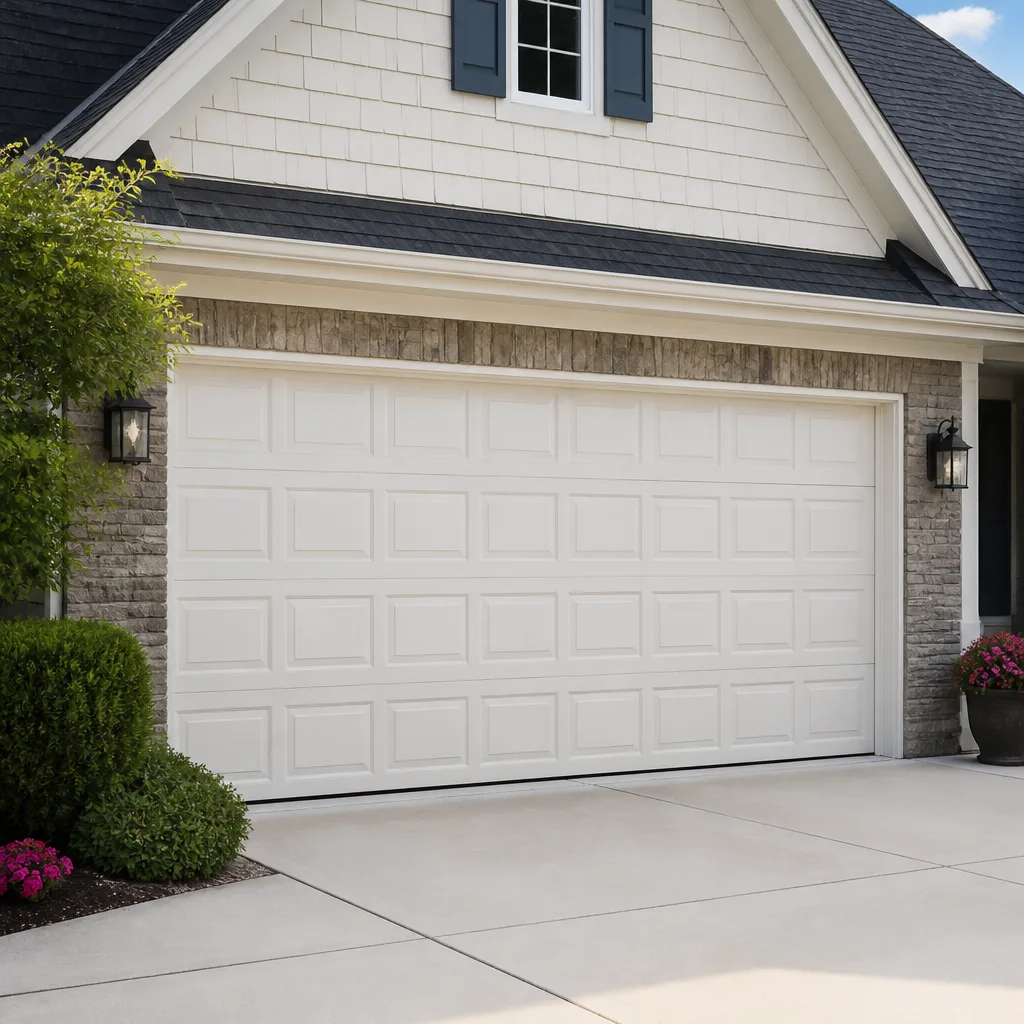 Raised-panel steel
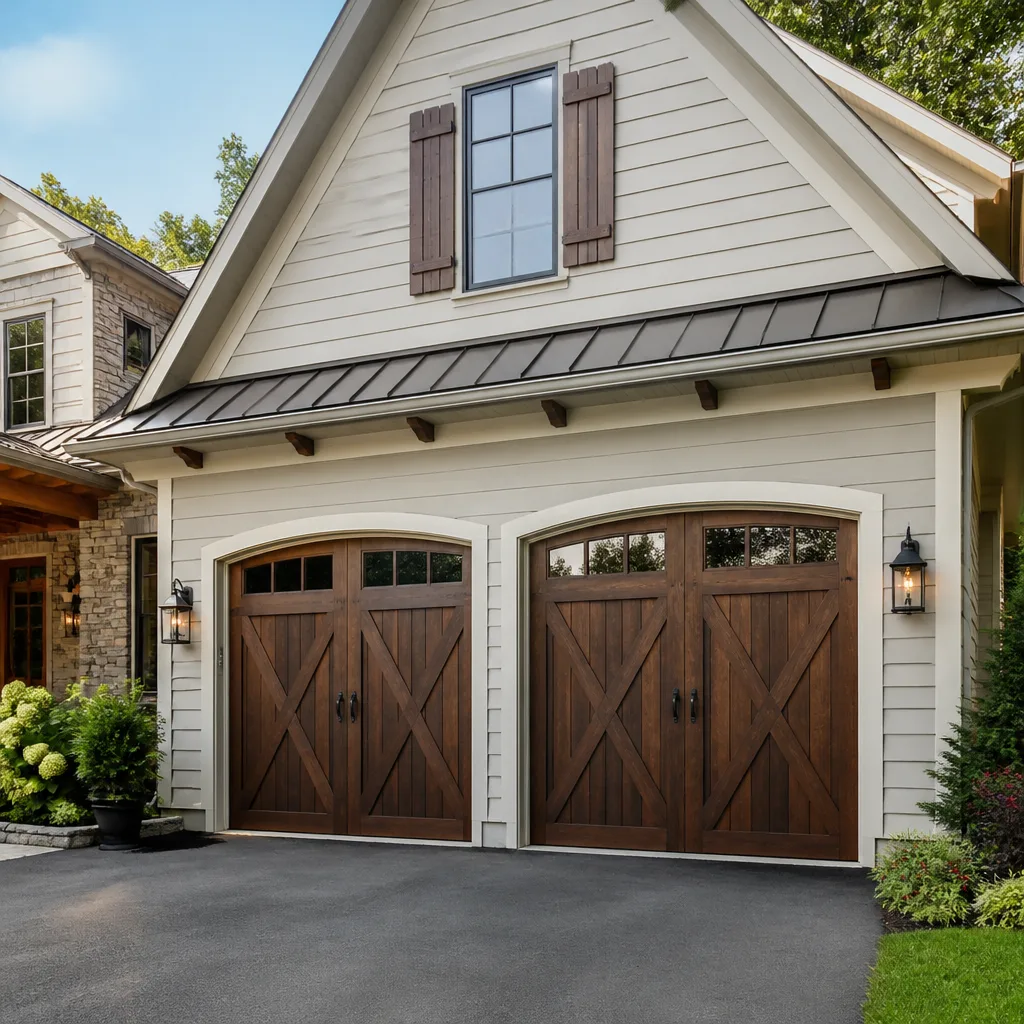 Carriage house
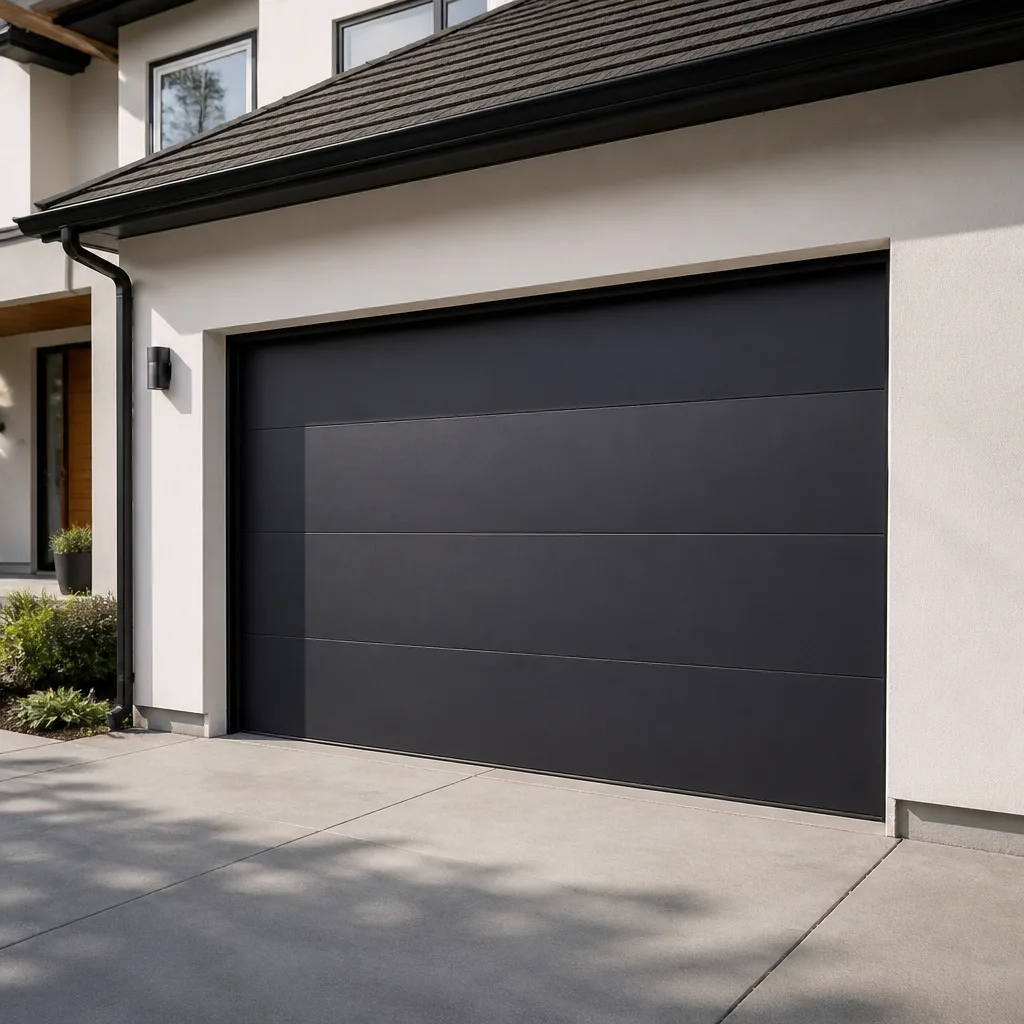 Modern flush
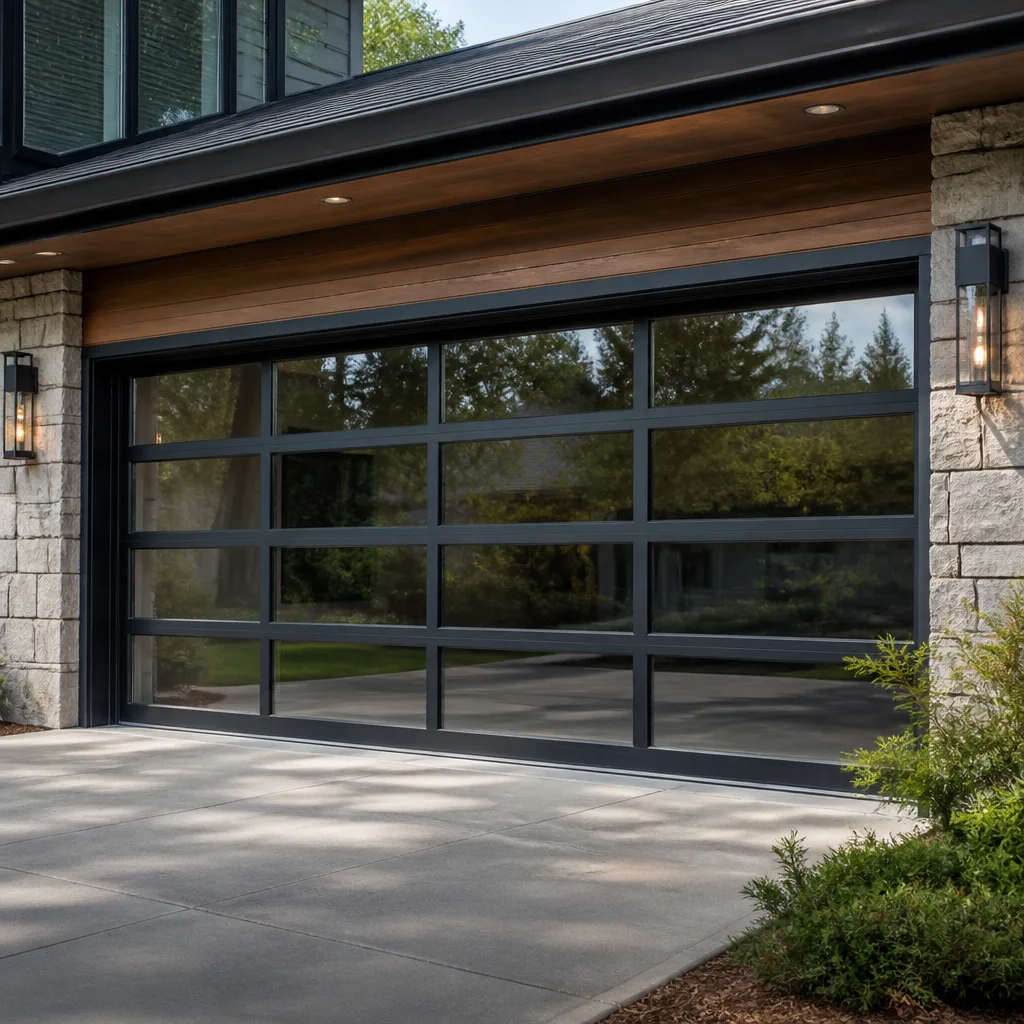 Full-view glass
 LiftMaster openers
 Chamberlain openers
Full 25-point door and opener safety check with every visit - springs, cables, rollers, tracks, and your LiftMaster or Chamberlain opener included
You get a price before we start. It does not change when the pro arrives.
Get your free estimateSeasonal Garage Door Care for Arvada: Year-Round Homeowner’s Guide
The most common spring failure in Arvada happens in late October, and it’s not because springs wear out in fall. It’s because summer heat expands metal tolerances, and the first hard cold snap contracts them again in a few hours. A spring already near the end of its cycle can’t absorb that sudden shift. Most homeowners never see it coming, because the door still worked fine on a mild September afternoon. This guide maps what each of Arvada’s four genuinely distinct seasons does to your door’s mechanism, and the specific task that stops each failure before it starts. By the end you’ll know exactly what to check, and when, across a calendar year.
Styles & brands we work with
- Raised-panel steel
- Carriage house
- Modern flush
- Full-view glass
- LiftMaster openers
- Chamberlain openers
Quick Answer
Seasonal garage door care in Arvada means matching maintenance to four distinct seasonal stressors: fall cold snaps strain torsion spring tension, winter freeze-thaw cycles destroy bottom seals, spring road salt spray rusts hinges and rollers, and summer UV exposure degrades paint and weatherstripping on sun-facing doors. A 15-minute walk-around at each seasonal transition, plus one professional tension and balance check per year, prevents most failures. Skip it and you’ll usually find out at the worst possible moment, with a car trapped inside.
Table of Contents
- Why Arvada Doors Face a Four-Season Stress Cycle
- Fall: Torsion Spring Tension as Temperatures Drop Below 40°F
- Winter: Freeze-Thaw Cycles and Bottom Weather Seal Failure
- Spring: Post-Winter Hardware Inspection and Road Salt Rust Points
- Summer: UV Degradation on Painted Steel Doors
- Building a 15-Minute Seasonal Walk-Around Into Your Schedule
- Month-by-Month Task Reference for Arvada Homeowners
- Do Different Brands Age Differently in Arvada’s Climate?
- Common Mistakes to Avoid
- When to Call a Professional
- Frequently Asked Questions
- The Bottom Line
Why Arvada Doors Face a Four-Season Stress Cycle
A garage door is one of the few machines on your property that lives outdoors but is expected to perform like an indoor appliance. In Arvada, that outdoor life swings through real extremes. Summer afternoons push the metal skin and the hardware behind it to temperatures that expand tolerances. Winter nights pull them back the other way. Spring and fall sit in transition, and transitions are where worn components give out.
The mechanical consequence is straightforward. Every component on your door – springs, cables, hinges, rollers, track – expands and contracts at slightly different rates because they’re made of different metals and alloys. A torsion spring under load is the most sensitive of the group. When the temperature drops sharply, the steel contracts faster than the tension it’s holding, and a spring that was marginal in September becomes a failure in October.
What makes Arvada different from a milder climate isn’t the cold itself. It’s the frequency of the swing. A door here goes through dozens of significant expansion-contraction cycles a year, not a handful. That’s why Arvada homeowners tend to see hardware wear earlier than the national average for the same door model.
Three systems absorb almost all of this stress, and they’re the three you should watch:
- Torsion or extension springs – hold the door’s weight and lose tension gradually, then suddenly.
- Bottom weather seals and perimeter weatherstripping – flex constantly and crack under repeated freeze-thaw.
- Hinges, rollers, and track – collect moisture and road spray, then rust at pivot points.
Each season stresses a different one of these. That’s the whole logic of seasonal care: you’re not maintaining everything at once, you’re front-running whichever system is about to take the hit.
Fall: Torsion Spring Tension as Temperatures Drop Below 40°F
When overnight temperatures in Arvada drop below 40°F, torsion spring tension effectively loosens. The steel contracts, the spring holds slightly less stored energy for the same number of turns, and the door begins to feel heavier than the opener was balanced for. This isn’t a defect. It’s normal physics. The problem is what it reveals about a spring that was already near the end of its rated cycle.
How to identify an under-tensioned door before it fails:
- Disconnect the opener and lift the door halfway by hand. Use the manual release cord. A properly balanced door should stay roughly where you leave it. If it drifts down on its own, or feels noticeably heavier than in summer, tension has dropped.
- Listen to the opener. A door that’s lost tension makes the opener strain – a groaning or laboring sound at the start of the lift that wasn’t there in August.
- Watch for a slow first inch. If the door hesitates for a beat before rising, the opener is fighting weight it shouldn’t be carrying.
- Check for a visible gap in the spring coils. On a torsion spring, look at the coil gaps. Uneven spacing or a stretched section is a warning sign.
If any of those show up, the answer is a professional tension adjustment or spring replacement, not a homeowner adjustment. Torsion springs are under extreme stored energy, and the winding process is the single most dangerous task in this trade. Never attempt to adjust, wind, or unwind one yourself. That’s a job for a trained technician with the right winding bars and the knowledge of what a spring under load does when it slips.
Fall is also the season to lubricate. A light application of garage-door-specific lubricant on hinges, rollers, and the spring coils themselves reduces friction as the metal tightens. We work on LiftMaster, Chamberlain, Genie, Clopay, Amarr, Wayne Dalton, Craftsman, and Raynor systems, and the lubrication points are broadly the same across all of them. If your door is an Amarr or a Wayne Dalton steel model, pay particular attention to the hinge knuckles, which are a common rust start point.
Winter: Freeze-Thaw Cycles and Bottom Weather Seal Failure
The bottom weather seal is the most abused component on your garage door, and Arvada winters are built to destroy it. The seal sits on concrete, collects meltwater from the car and the driveway, and then freezes overnight. The ice expands inside the rubber or vinyl. Then it thaws, contracts, and repeats. Do that a few dozen times across a winter and the material fatigues at the fold points.
You’ll know it’s happening by three signs:
- Visible cracking at the fold where the seal meets the door panel, usually starting at the corners.
- Daylight under the door when it’s fully closed. A thin line of light means cold air and, eventually, water are getting in.
- Water on the floor after a freeze, tracking in along the door’s base and rusting the bottom panel or the track.
Not all seal profiles handle repeated freeze-thaw the same way. This is one of the few places where the material choice genuinely matters in this climate:
- Hollow vinyl or PVC bulb seals resist water absorption best. They’re the most common choice for freeze-prone climates because ice can’t soak into the material.
- Solid rubber seals are durable but can stiffen and crack in repeated hard freezes.
- Brush seals are fine for dust and pest control but useless against water intrusion. Skip them on a door that faces the weather.
A worn seal is cheap to replace compared with the damage it prevents. Water that gets past a failed seal can rust the bottom section of a steel door, and on a Clopay or Raynor model that rust is often hidden behind the bottom bracket. Winter is also when you should clear snow and ice away from the door’s base rather than shoveling it into a pile against the seal. A snowbank packed against the door holds meltwater right where you don’t want it.
One more winter-specific check: watch the track for ice. If meltwater runs down the driveway and into the track grooves, it freezes and can bind a roller. Keep the track clear and never chip ice out of it with a metal tool.
Spring: Post-Winter Hardware Inspection and Road Salt Rust Points
Spring in Arvada means inspecting what winter left behind. The specific risk here is road salt spray. Snow-melt from the streets carries salt onto the driveway and into the garage, and it settles on the hardware that faces the door opening. Rust doesn’t start randomly. It starts at predictable points, and if you check those first, you’ll catch corrosion while it’s still cosmetic.
The post-winter hardware inspection sequence:
- Hinges, starting bottom to top. Road spray hits the lowest hinges hardest, and the hinge knuckles are where rust starts. Look for orange-brown discoloration at the pivot points.
- Rollers and roller stems. The stem is where the roller connects to the hinge. If it’s rusted, the roller won’t turn freely, and the door will drag.
- Track, especially the bottom six inches. Salt-laden meltwater collects in the track grooves. Look for pitting along the inside of the curve.
- Bottom brackets and the bottom panel edge. The lowest 12 inches of a steel door take the most spray. On Amarr and Clopay doors this is often where you’ll first see paint bubbling.
- Lift cables. Inspect for fraying and rust, but never handle them under tension. Cables are under extreme load and can cause serious injury if they snap. If you see fraying, treat it as a stop-use condition and call a professional.
- Opener chain or belt and the rail. A chain that’s picked up grit or surface rust over winter will be noisy. A belt drive won’t rust, but check the rail for debris.
Anything you find at step one or two is usually a clean-and-lubricate fix. Rust at the hinges and rollers responds well to wiping the salt residue off with a damp cloth, drying it, and reapplying garage-door lubricant. Don’t use WD-40 as a long-term solution. It’s a solvent, not a lubricant, and it will dry out the pivot points.
Spring is also the season to check the opener’s safety reverse. Put a roll of paper towels or a 2×4 flat under the door’s path and close it. If the door doesn’t reverse on contact, the opener needs adjustment. That’s a safety function and worth a professional look if it isn’t behaving. If anything here turns into a repair rather than a cleaning, garage door repair can address springs, cables, hinges, and rollers directly.
Summer: UV Degradation on Painted Steel Doors
Summer in Arvada is when the sun does its long, slow work on your door’s finish. Ultraviolet light breaks down the chemical bonds in paint and in the flexible seals around the perimeter. The damage is invisible for a long time, then suddenly obvious. Paint that looked fine in June can show chalking, dulling, or fine cracking by August.
Direction matters. A south-facing or west-facing garage door takes direct sun for the hottest part of the day. On a typical Arvada home with an attached garage facing the street on the south or west side, that door is baking through the afternoon while a north-facing door on the same block stays comparatively cool. The mechanical consequence is twofold:
- Paint failure on steel doors. Chalking and fading are the early stages. Once the paint micro-cracks, moisture gets to the steel underneath and you get rust. On a painted Amarr or Clopay door, the factory finish is durable but not infinite. A wash and a coat of wax annually helps.
- Seal degradation. UV dries out rubber and vinyl. The perimeter weatherstripping, which keeps weather and pests out, hardens and cracks. A seal that’s fine on a shaded door may be brittle by mid-summer on a sun-blasted one.
Summer checks are quick. Wash the door with mild soap and water to remove the grit that holds heat and moisture. Inspect the paint for chalking by wiping a dark cloth across the surface – a white residue means the finish is breaking down. Check the perimeter seal for stiffness by pressing it with a thumb. If it doesn’t spring back, it’s lost its elasticity.
Gaps at the top and sides are a summer problem too, because a hardened seal lets the heat in and the cool air out, and the garage stays hotter than it needs to. If your door faces south or west and the seal is more than a few seasons old, it’s worth a look.
Building a 15-Minute Seasonal Walk-Around Into Your Schedule
Here’s the part that makes this stick. Seasonal care doesn’t work if it’s a separate project you have to remember. It works when it’s attached to something you already do. The trick is to make it 15 minutes, four times a year, tied to a seasonal trigger instead of a date on a calendar.
The four-trigger routine:
- First cold snap of fall – when overnight lows first dip below 40°F. Check spring tension by hand-lifting the disconnected door, listen to the opener for strain, look for uneven spring coil gaps, and lubricate hinges, rollers, and springs.
- First hard freeze of winter – after the first morning the driveway is icy. Walk the bottom seal for cracks and daylight gaps, clear snow and ice from the door’s base and track, and check that the door closes flush.
- First warm week of spring – after the last salt treatment of the season. Run the full post-winter inspection: hinges bottom to top, rollers and stems, track, bottom panel, and a visual on the cables. Clean and lubricate what you find.
- First hot stretch of summer – after the first 90-degree afternoon. Wash the door, check paint for chalking with a dark cloth, and press the perimeter seal to check flexibility.
Fifteen minutes per trigger is enough for the visual and manual checks. The one thing you should reserve for a professional each year is a full tension and balance check on the springs and cables. That’s the part that carries real injury risk, and it’s the part most likely to catch a failure before it strands you.
The schedule is deliberately attached to weather, not the calendar, because Arvada’s seasons don’t switch on a fixed date. Attaching the task to the trigger means you’ll actually do it when the condition exists, not three weeks after it mattered.
Month-by-Month Task Reference for Arvada Homeowners
If you prefer a calendar reference to a weather trigger, here’s the same routine mapped by month. Use it as a checklist, then adjust for the actual weather in any given year.
- September – Pre-fall inspection. Hand-lift test with the door disconnected. Lubricate hinges, rollers, springs. This is your last comfortable-weather window before the cold snaps begin.
- October – The critical month. Watch for the first sub-40°F nights. Check spring tension and opener strain. Book a professional tension check if the door feels heavier or the opener is groaning.
- November – Seal inspection before the first hard freeze. Clear the base of the door. Confirm the safety reverse is working as the weather turns.
- December – First freeze-thaw check. Walk the bottom seal for cracks and daylight. Keep snow and ice clear of the track and door base.
- January – Mid-winter visual. Look for ice binding in the track. Keep the seal clear of packed snow. Listen for new noises from the opener.
- February – Late-winter check on the bottom panel and brackets for any hidden moisture damage behind the seal.
- March – Post-winter inspection sequence. Full rust check on hinges, rollers, track, and bottom panel. Clean and lubricate.
- April – Paint and finish check. Look for bubbling on the bottom edge of steel doors after a winter of salt spray.
- May – Pre-summer wash and wax on painted steel doors. Seal check before the UV season begins.
- June through August – Monthly UV checks. Wash, inspect for chalking, press-test the perimeter seal, and look for any hardening from sun exposure.
Two tasks should be professional on the calendar no matter where you land on the walk-around: a spring and cable inspection once a year, and an opener diagnosis if you hear anything new. For opener issues specifically, garage door opener repair is a dedicated service area, and most opener problems have a specific cause rather than a mysterious one.
Do Different Brands Age Differently in Arvada’s Climate?
Yes, but less than marketing would suggest. A steel door is steel, and a torsion spring cycles the same way whether it’s on a Clopay, an Amarr, a Wayne Dalton, or a Raynor. What differs is the finish quality, the seal design, and the hardware alloy. Those differences show up most in a climate with repeated freeze-thaw and heavy UV.
In practice, we see three patterns:
- Painted steel doors – finish quality is the variable. A better factory finish lasts longer against Arvada’s UV, and the door that faces south or west will test that finish hardest. Wayne Dalton and Amarr both build doors across a wide finish range, so the specific model matters more than the badge.
- Wood and composite doors – moisture is the enemy, not UV. Freeze-thaw expands and contracts the material, and a poorly sealed wood door will show it at the bottom rail first.
- Openers – LiftMaster, Chamberlain, Genie, and Craftsman systems all handle the cold, but the lubricant in the rail and the condition of the chain or belt matters more than brand. A dry chain gets noisy in cold weather on any brand.
We’re brand-agnostic by design. We work on all of the major brands, so we have no reason to steer you toward one over another. The honest answer in most cases is that the climate’s effect on your door is a maintenance question, not a brand question. The exception is when a part has failed and the brand determines what replacement is available. Even then, a specialist who works across the major manufacturers can usually source what’s needed.
Common Mistakes to Avoid
- Ignoring the fall tension check because the door “still works.” A marginal spring works fine until the first cold snap, then fails. That’s the whole reason October is the critical month in Arvada, and the reason a working door can still be on the edge.
- Adjusting a torsion spring yourself. This is the most dangerous task in the trade. Springs are under extreme stored energy, and one slip can cause serious injury. Call a trained professional.
- Packing snow against the bottom seal. It feels like clearing the driveway, but a snowbank against the door holds meltwater against the seal through every freeze-thaw cycle. Shovel away from the door, not into it.
- Using WD-40 as a long-term lubricant. It’s a solvent, and it’ll dry out your hinges and rollers. Use a garage-door-specific lubricant, and use it at each seasonal trigger.
- Skipping the south- and west-facing door. If your door faces the afternoon sun, it degrades faster than the shaded door across the street. That door needs the UV check even if the neighbor’s doesn’t.
- Chipping ice out of the track with a metal tool. It’s a fast way to bend the track or score a roller. Clear ice gently and keep meltwater from running into the groove in the first place.
- Treating the spring and opener as separate systems. A door that’s lost tension strains the opener, and an opener that’s working harder wears out faster. Checks on one are checks on the other.
When to Call a Professional
Some seasonal tasks are homeowner work: washing the door, lubricating hinges and rollers, clearing snow and ice, press-testing a seal. Others aren’t, and knowing the line protects you. Call a professional when the door feels heavier than it did last season, when the opener groans or hesitates, when you see an uneven gap in the spring coils, when cables look frayed, or when the safety reverse doesn’t work. Call when the bottom seal is cracked through or daylight shows under a closed door. Call when rust has moved past the surface into pitting, or when the paint on a steel door is bubbling. Any of these is a sign that the seasonal cycle has already done damage that needs fixing, not just watching.
Arvada Garage Door Service offers free estimates in Arvada. Call (866) 984-9695. Our technicians have up to 8 years of experience, we work on all the major door and opener brands, and we’ll tell you honestly whether a repair or a replacement makes more sense.
Frequently Asked Questions
Twice a year at minimum: once in fall before the cold snaps and once in spring after the salt season. A 15-minute homeowner walk-around at each seasonal trigger catches most of the wear, and one annual professional tension and balance check handles the parts that carry injury risk. Doors that face south or west benefit from an extra UV check in mid-summer.
Because the first cold snap contracts the steel faster than the spring’s stored tension can absorb. A spring that was already near the end of its rated cycle gets pushed over the edge by the sudden temperature drop. It’s the most common failure timing in Arvada, and it’s why the fall tension check matters more than any other seasonal task.
No. Torsion springs are under extreme stored energy, and winding or unwinding one is the most dangerous job in this trade. A slip can cause serious injury. Tension adjustment and spring replacement are work for a trained technician with the right tools and knowledge. Call a professional if the door feels heavier or the spring looks uneven.
A hollow vinyl or PVC bulb seal holds up best because ice can’t soak into the material and expand it. Solid rubber seals can stiffen and crack under repeated hard freezes. Brush seals are for dust control only and won’t stop water intrusion. If your seal is more than a few seasons old and the door faces the weather, it’s worth replacing before winter.
Yes. A door that takes direct afternoon sun absorbs far more UV than a shaded door on the same block, and the paint and perimeter seal degrade faster because of it. Check a sun-facing door for chalking and seal stiffness in mid-summer, not just at the seasonal transitions. A wash and wax each year helps a painted steel door last longer.
Yes. Snow-melt carries salt onto the driveway and into the garage, and it settles on the lowest hinges, rollers, and the track. Rust starts at those pivot points and in the track grooves. The post-winter inspection in spring, cleaning and lubricating, is what prevents surface rust from turning into a seized roller or a pitted track.
The Bottom Line
Arvada’s four seasons each pressure a different part of your garage door, and the failures follow a predictable pattern: springs in the fall cold snap, seals through the winter freeze-thaw, hardware in the spring salt season, and paint and weatherstripping in the summer UV. Match the task to the season and you front-run every one of them. Fifteen minutes at each seasonal trigger, a full post-winter inspection, and one annual professional tension check is the whole routine. It’s not complicated. It just has to happen before the weather does its work, not after. Arvada Garage Door Service works on all the major brands and handles the parts that aren’t safe to do yourself.
If your door is telling you something after a season change – heavier than it was, groaning, showing daylight under the seal, or rusting at the hinges – call (866) 984-9695 for a free estimate. We answer 24/7. Fast dispatch from 7am to 7pm, Sunday through Friday. We’ll inspect what the season has already done and tell you honestly whether it’s a repair or a replacement.
Written by the team at Arvada Garage Door Service.
See the difference
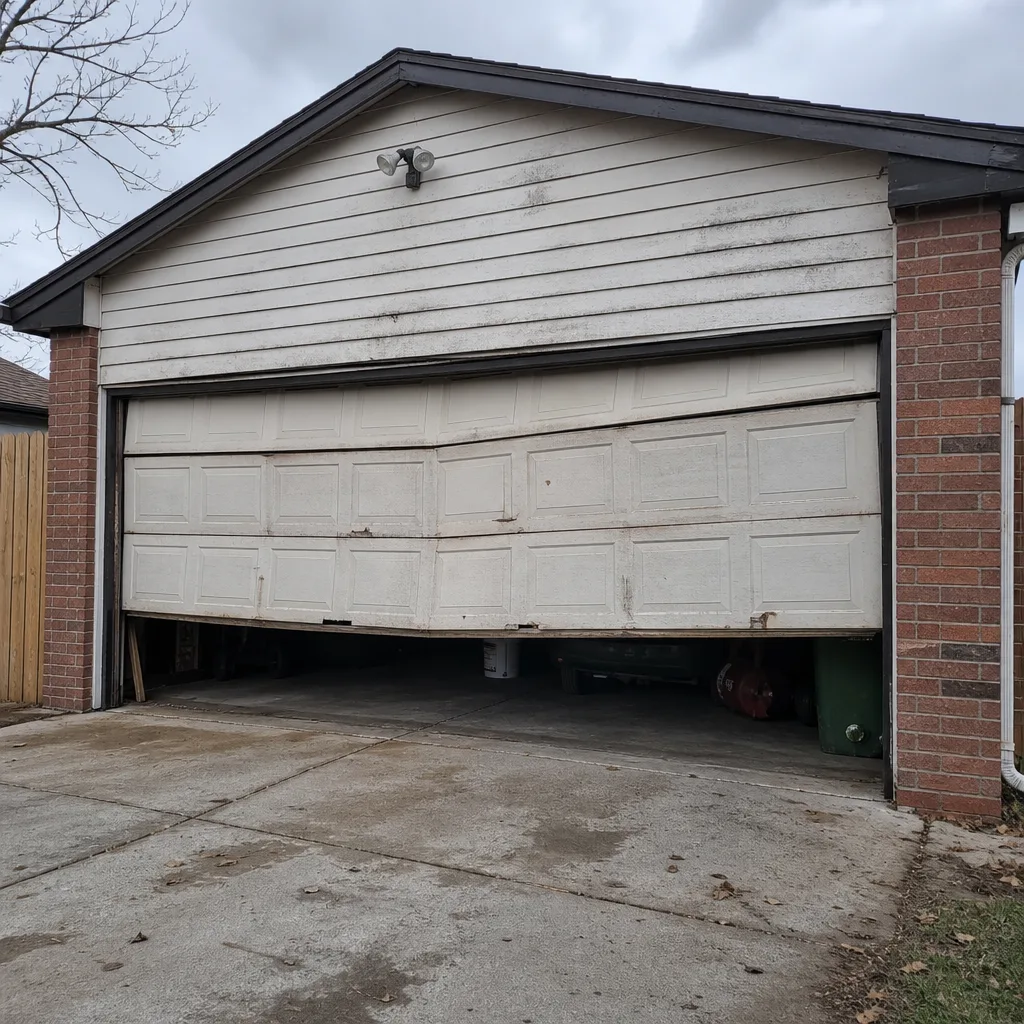 Before
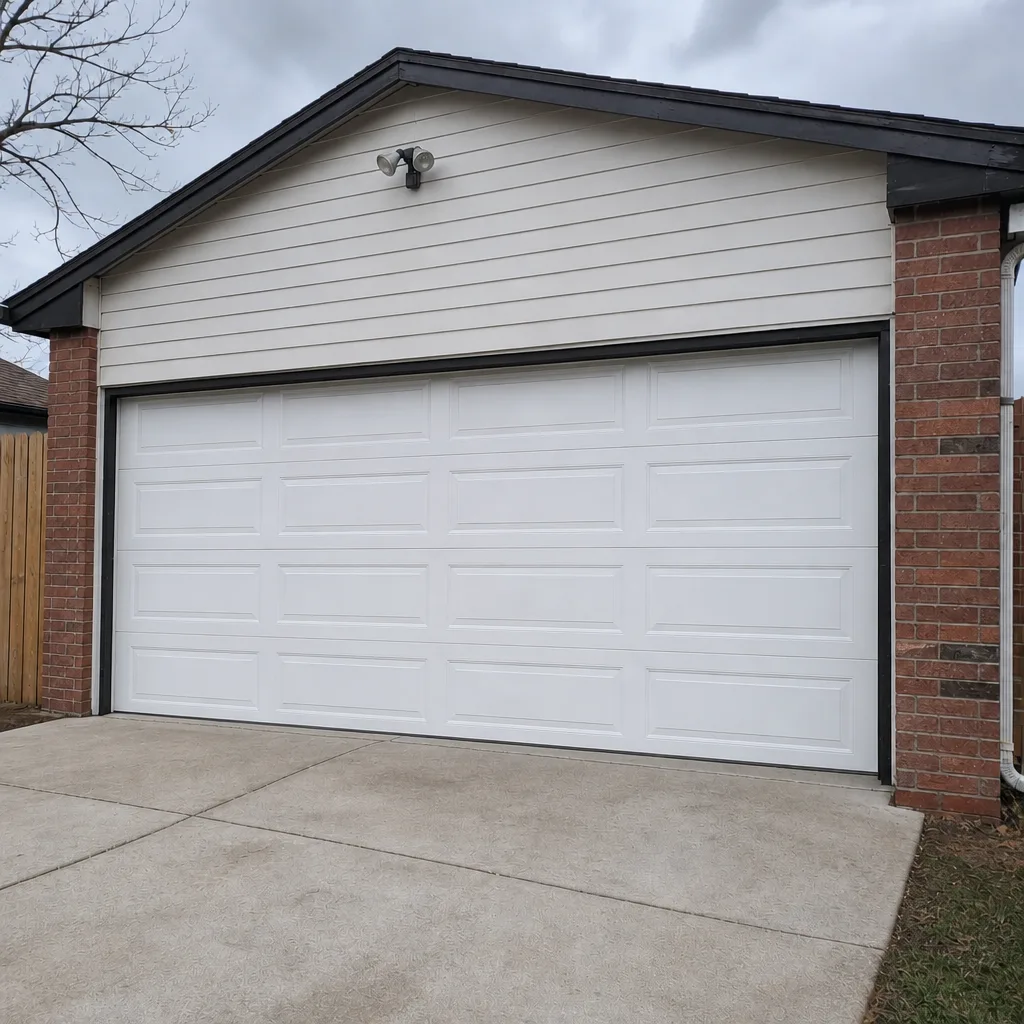 After
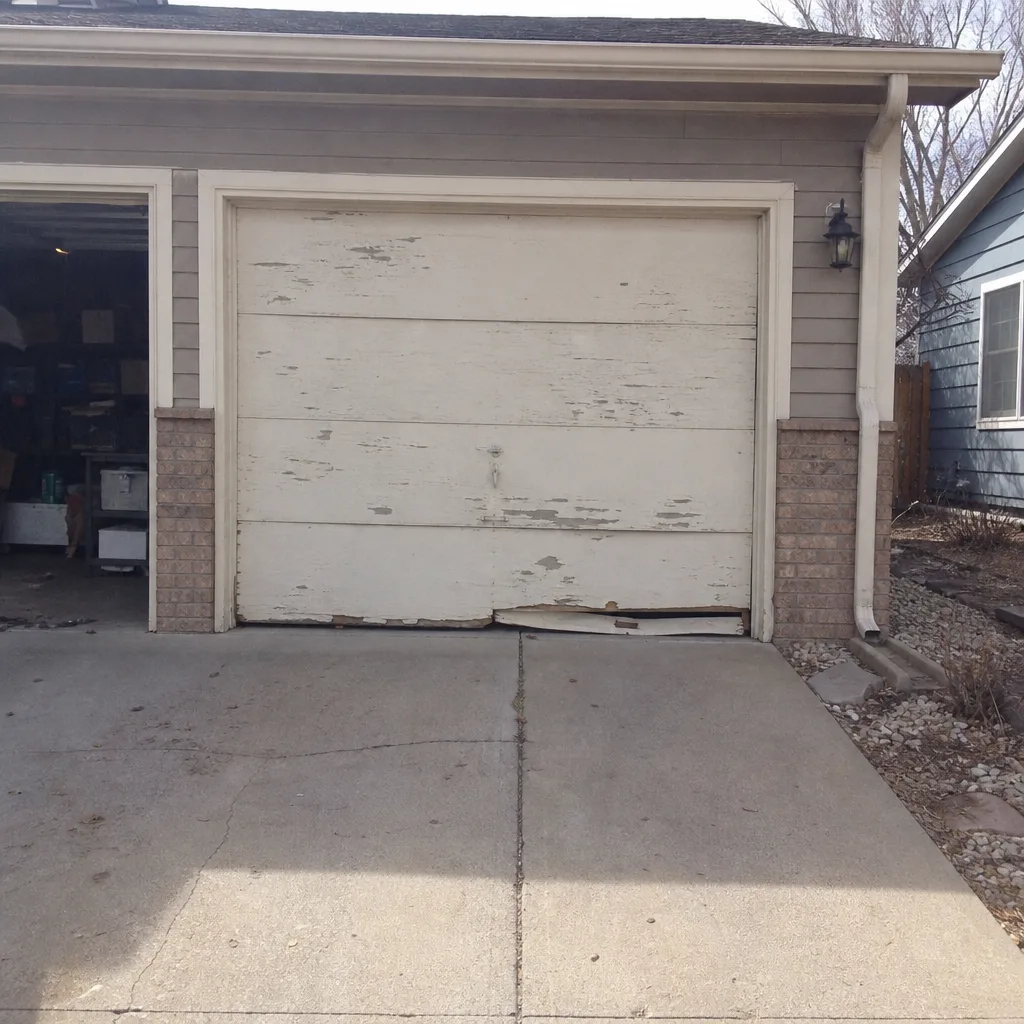 Before
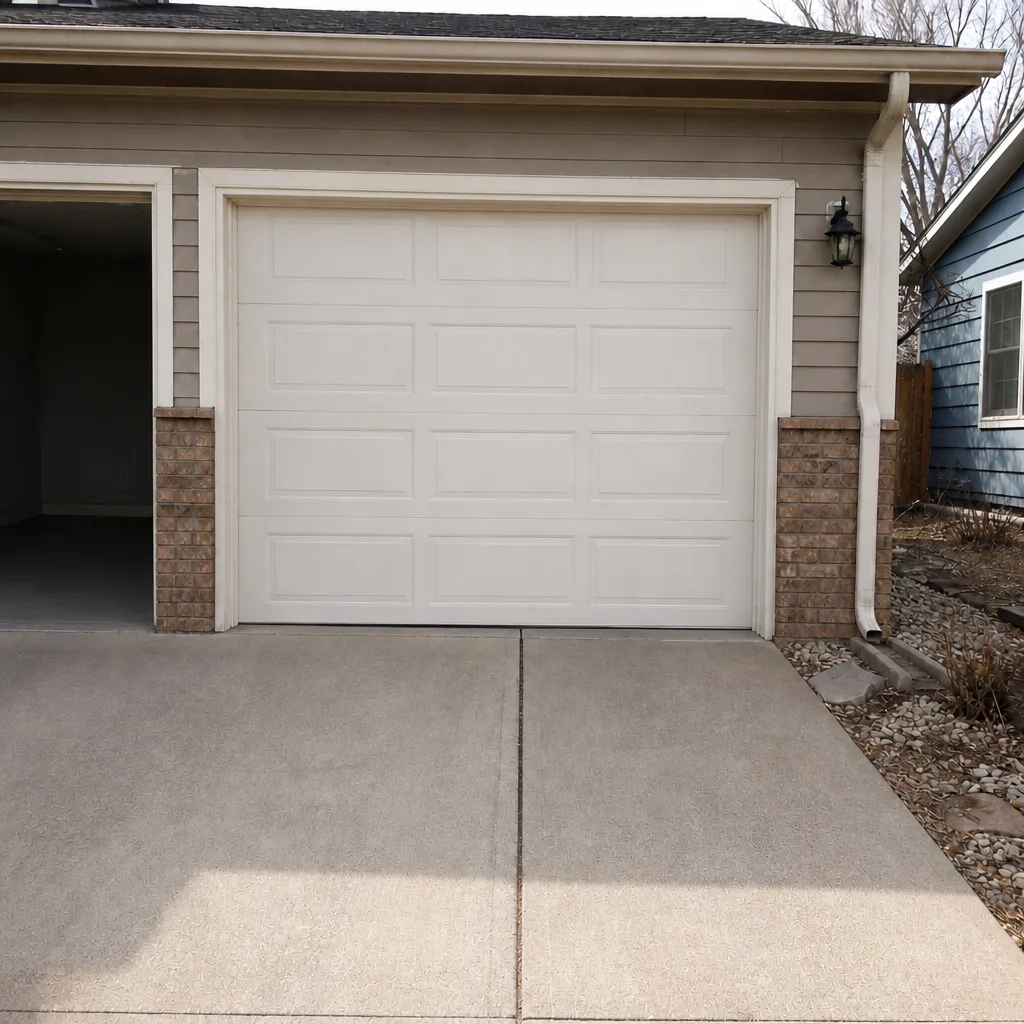 After
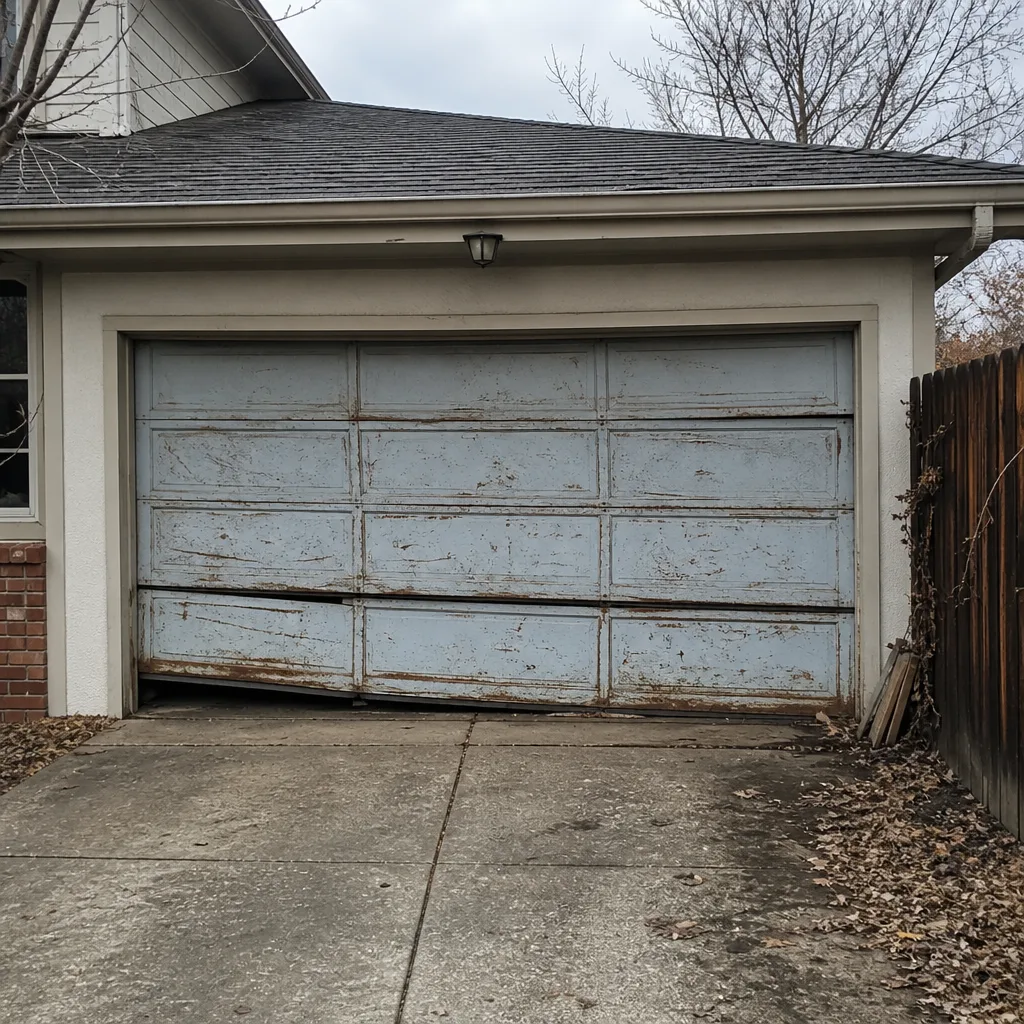 Before
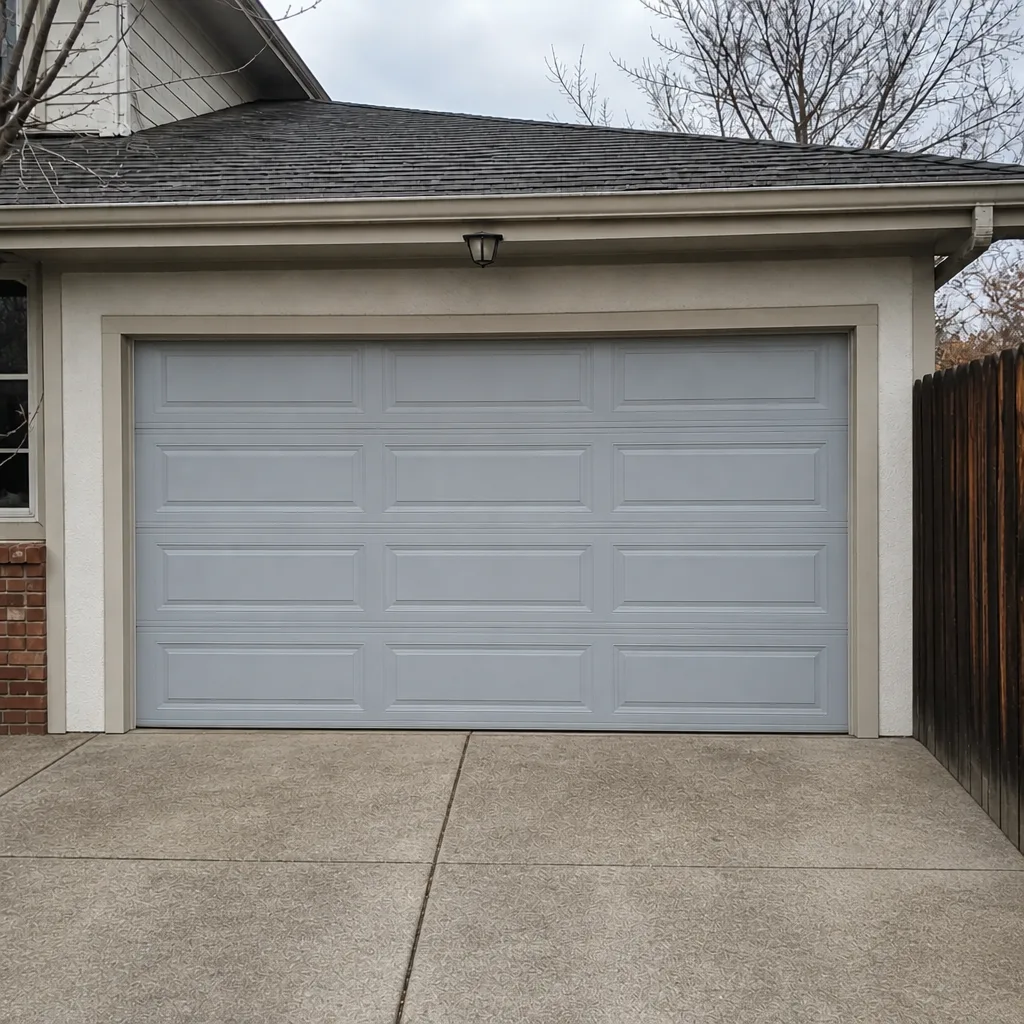 After