
Last updated November 15, 2026
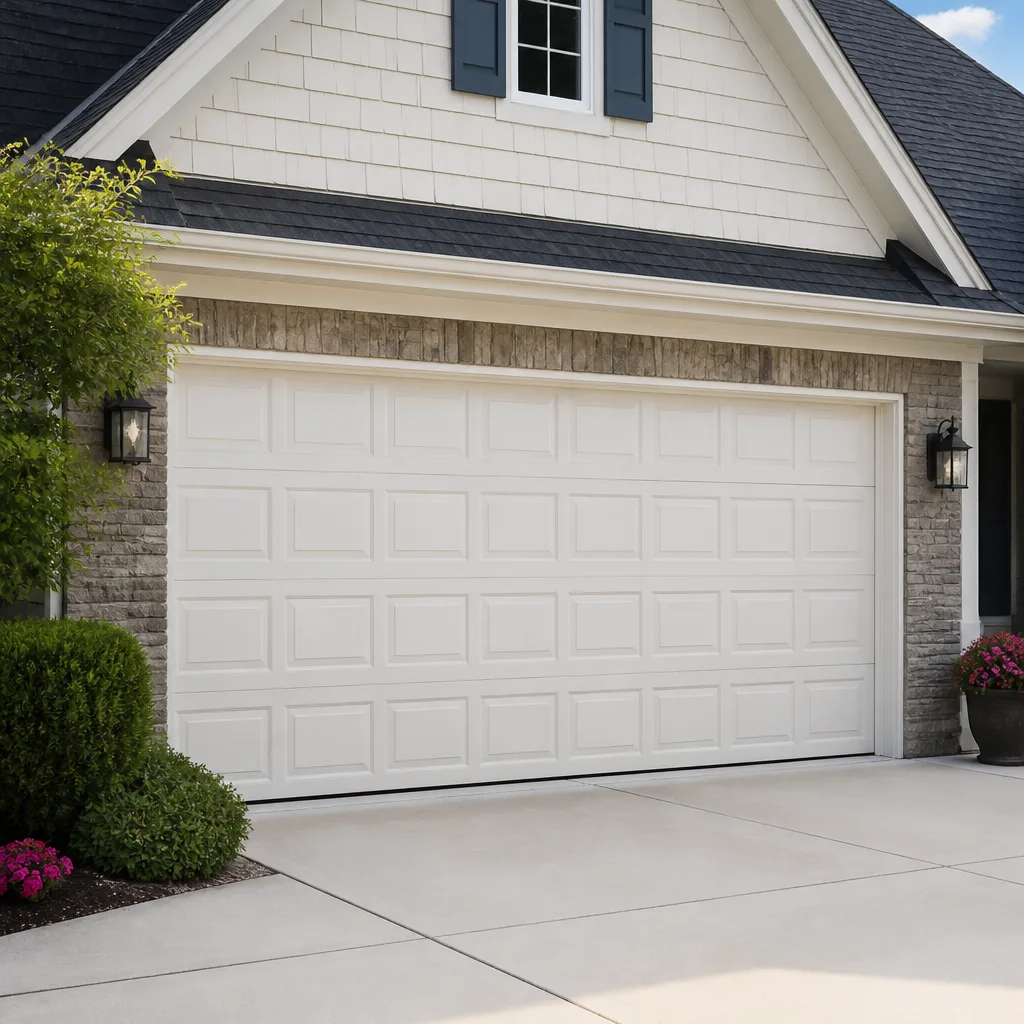 Raised-panel steel
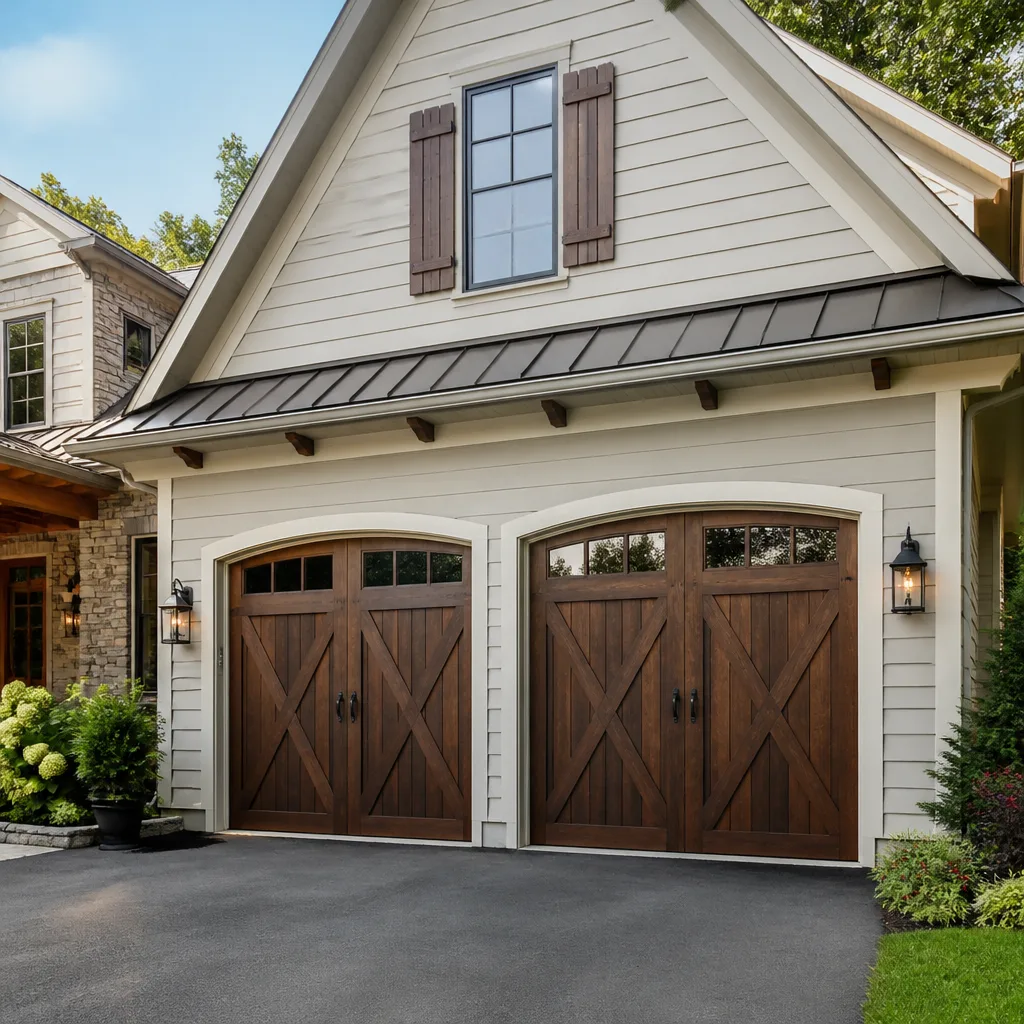 Carriage house
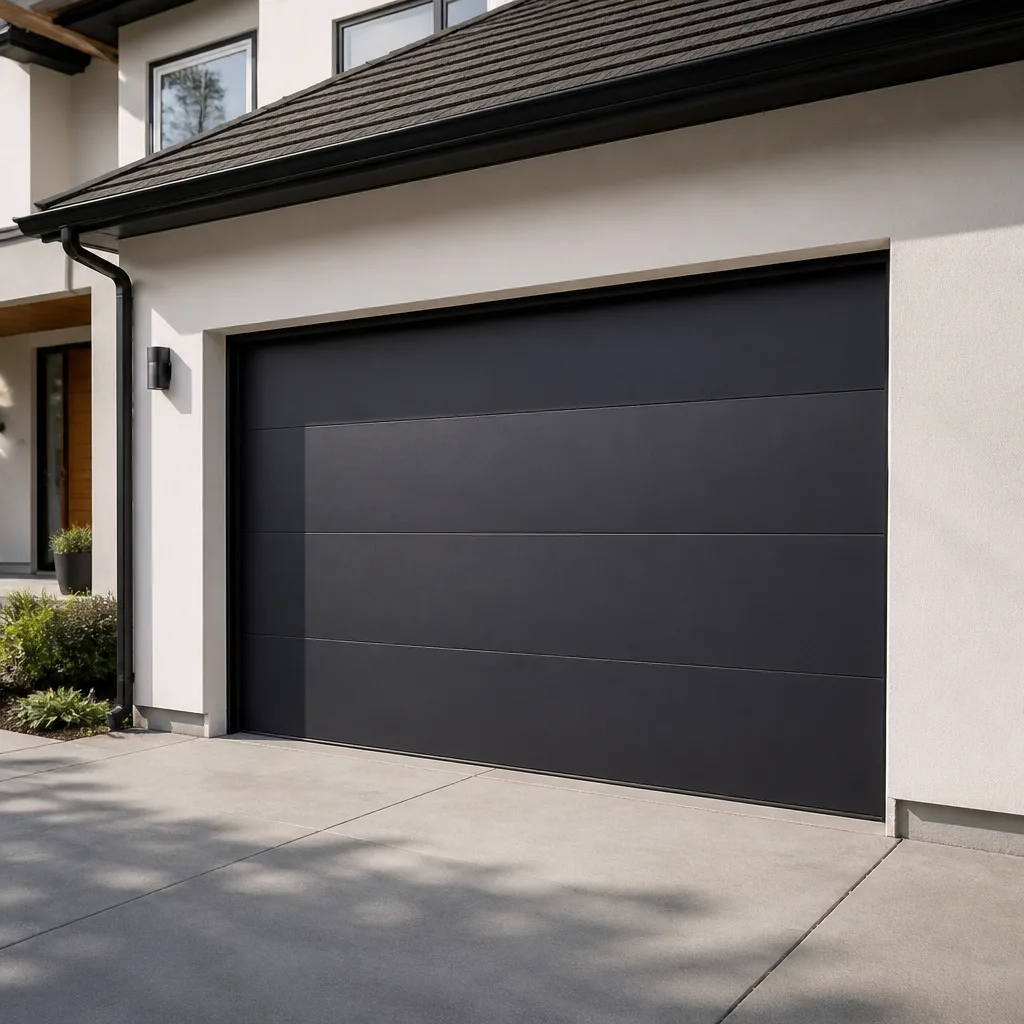 Modern flush
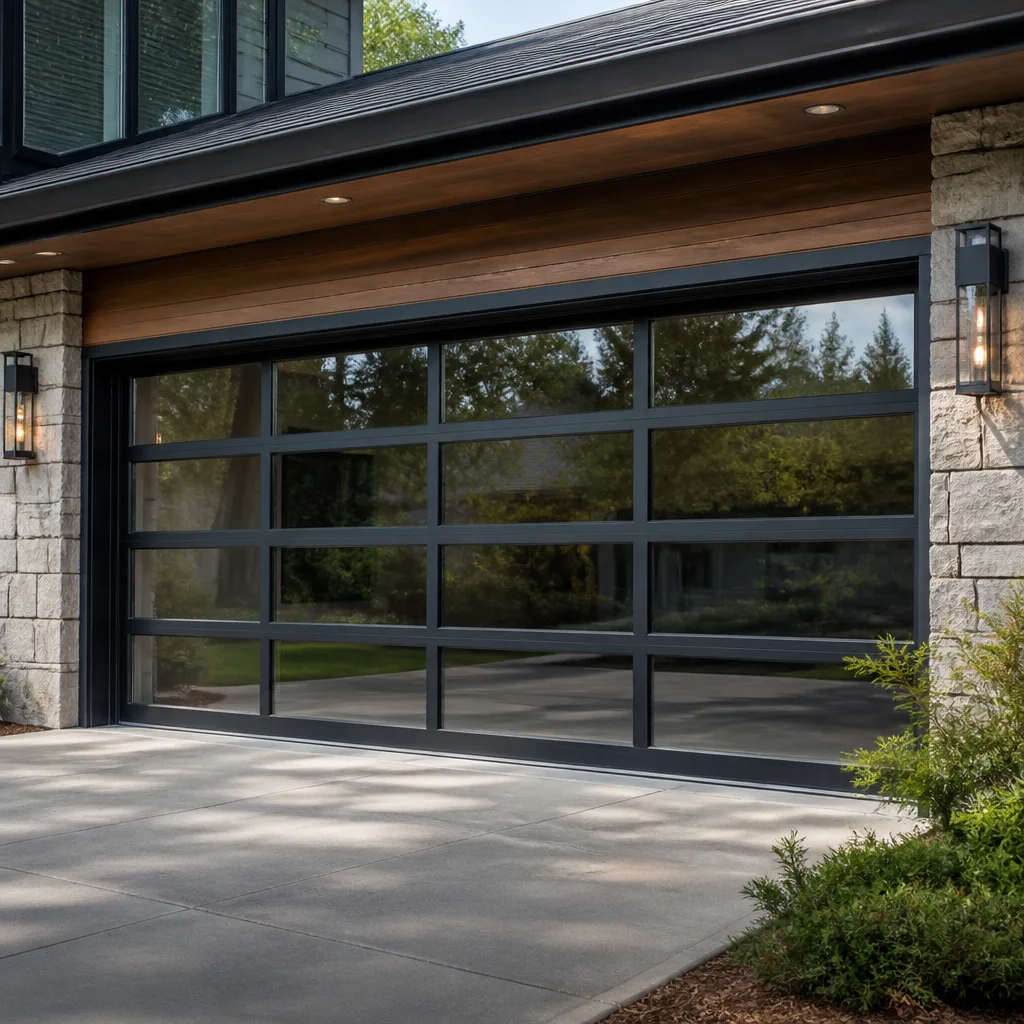 Full-view glass
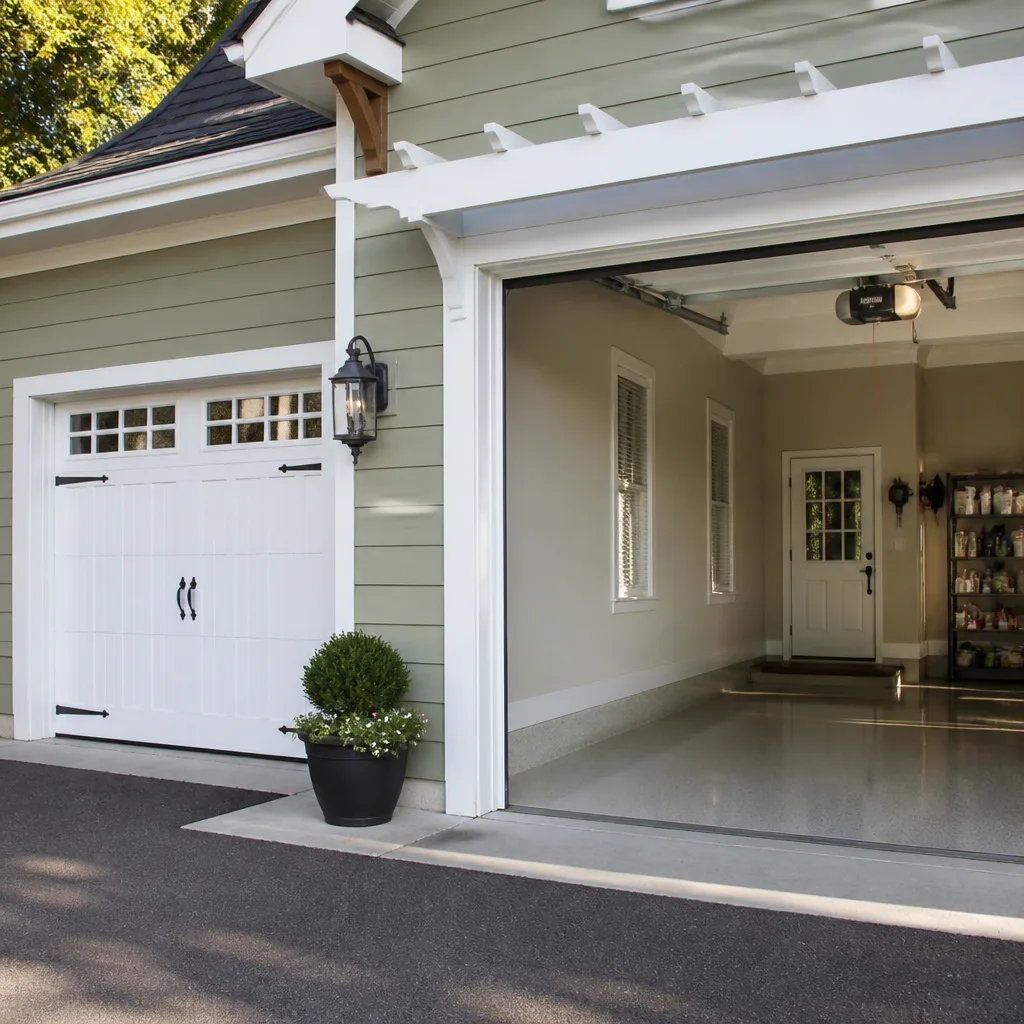 LiftMaster openers
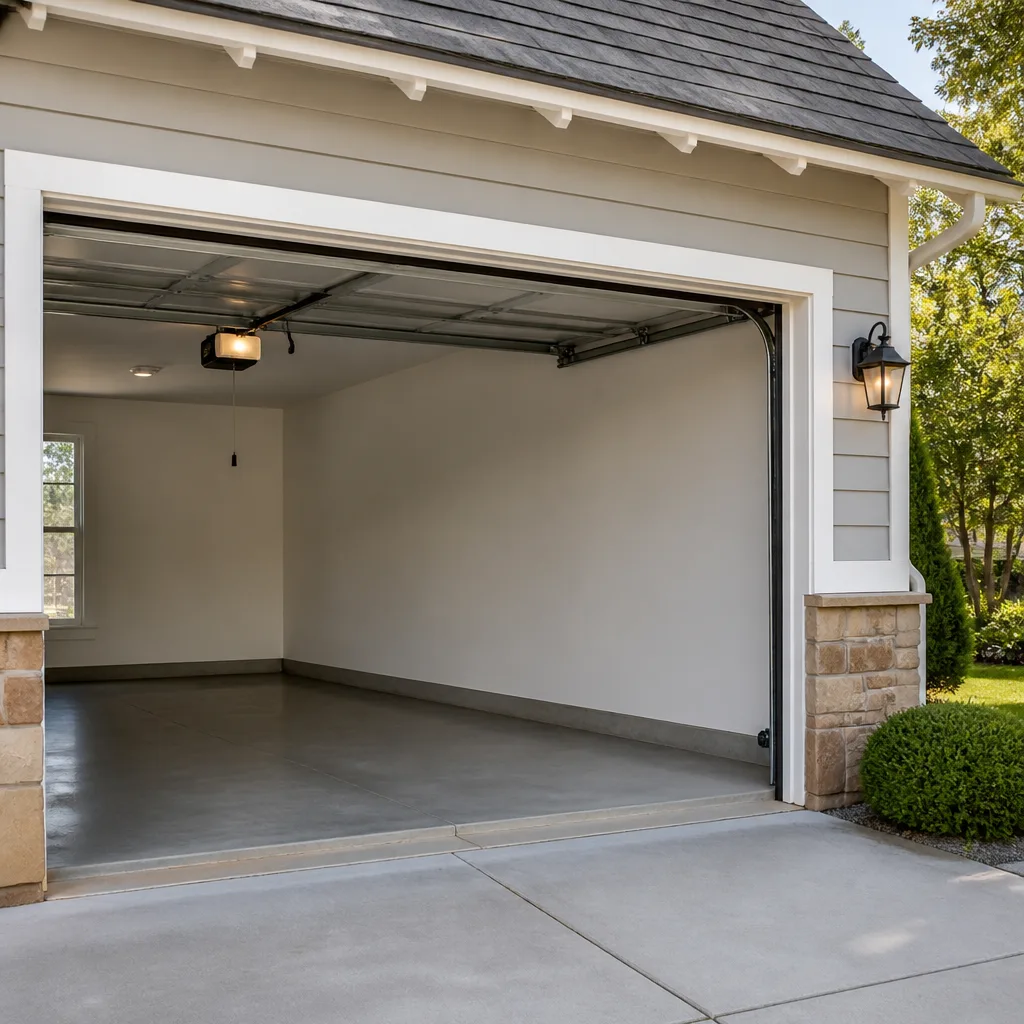 Chamberlain openers
Full 25-point door and opener safety check with every visit - springs, cables, rollers, tracks, and your LiftMaster or Chamberlain opener included
You get a price before we start. It does not change when the pro arrives.
Get your free estimateChoosing the Right Garage Door Brand: A Buyer’s Guide for Arvada
Most homeowners start brand shopping with a brochure and a color chart. The smarter starting point is your own garage opening: how wide it is, which way it faces, what your HOA allows, and how much upkeep you actually want to sign up for. Clopay and Amarr get pushed hardest by a lot of installers, and not always because they fit your situation best. Dealer margins and installer familiarity often decide that recommendation before your measurements do. This guide is written from Arvada, where west-facing doors bake in summer sun and hail rolls through most warm seasons. We’ll walk through what actually separates the major door brands, which ones hold their finish here, and how brand choice shapes parts availability years down the road.
Styles & brands we work with
- Raised-panel steel
- Carriage house
- Modern flush
- Full-view glass
- LiftMaster openers
- Chamberlain openers
Quick Answer
There’s no single best garage door brand for every Arvada home. Clopay and Amarr offer the widest dealer and parts network, Wayne Dalton covers the mid-range well, and premium names like Raynor and CHI make sense when you’re staying in the house for the long haul. The right pick comes down to steel gauge, insulation type, warranty terms, and how your door faces the Colorado sun.
Table of Contents
- Why Brand Choice Starts With Your Opening, Not the Brochure
- Clopay, Amarr, Wayne Dalton, and Haas Compared
- Which Brands Hold Their Finish on Colorado’s High-UV Exposures
- How Brand Choice Affects Parts Availability and Service Independence
- Premium vs. Builder-Grade: The Case For and Against in Arvada
- Matching Your Opener Brand to Your Door Brand
- Steel Gauge and Insulation: What the Spec Sheet Actually Tells You
- Reading Warranty Terms Before You Sign
- Common Mistakes to Avoid
- When to Call a Professional
- Frequently Asked Questions
Why Brand Choice Starts With Your Opening, Not the Brochure
The brand question is really four smaller questions wearing a trench coat. Once you answer them, the brand list narrows itself.
First, dimensions. A standard single-car opening and a wide two-car opening don’t carry the same options across every manufacturer. Some brands offer more flexibility on odd widths, low headroom, or a door that needs to sit tight under a soffit. Measure the opening, the headroom above it, and the side clearance before you look at a single brochure.
Second, exposure. A door facing west in Arvada takes direct afternoon sun for months. That’s the difference between a finish that holds and one that starts chalking. We’ll cover that in detail later, because almost nobody puts it in a brand comparison.
Third, HOA rules. Plenty of Arvada neighborhoods have design guidelines covering panel style, color, and window inserts. A brand that doesn’t offer your approved color in your approved panel style is off the table no matter how good its warranty reads.
Fourth, maintenance appetite. A steel door with a factory finish and standard torsion hardware is easy to live with. A wood or wood-composite door looks great and asks for refinishing on a schedule. Know which homeowner you are before the sales conversation starts.
If you’re not sure whether you’re replacing or repairing, that changes the math entirely. Our garage door repair page covers what’s worth fixing versus what’s worth replacing.
Clopay, Amarr, Wayne Dalton, and Haas Compared
These four cover most of the residential market in Arvada. Here’s how they differ on the specs that actually matter.
Clopay
The broadest lineup of the group, from basic builder doors up through insulated carriage-house styles. Strong dealer network, so parts tend to be easy to source. Insulation options run from uninsulated steel to polyurethane-injected cores. Warranty terms vary widely by series within the brand, so read the specific model, not the brand name.
Amarr
A solid middle of the market with good steel and a wide color selection. Dealer presence is strong, which is part of why so many installers default to it. Parts availability is generally good. Finish quality is decent on standard colors; custom colors need more attention to the warranty language.
Wayne Dalton
Strong on the mid-range and known for panel styles that fit HOA-heavy neighborhoods. Some models use proprietary hardware that affects how easily a technician can source replacements later. Worth asking about specifically before you commit.
Haas
Often overlooked, but a real contender at the mid-and-upper range. Steel quality is competitive and warranty terms hold up well. The dealer network is thinner than Clopay or Amarr, which matters more for parts than for installation.
The short version
- Widest dealer and parts reach: Clopay and Amarr
- Best HOA-friendly panel variety: Wayne Dalton
- Most underrated on steel and warranty: Haas
- Most proprietary hardware to watch for: Wayne Dalton on select models
None of these is a bad door. The differences show up in what you’ll be dealing with years from now when a hinge or a roller needs replacing.
Which Brands Hold Their Finish on Colorado’s High-UV Exposures
This is the part almost no brand comparison covers, and in Arvada it matters more than most spec-sheet line items.
A west-facing garage door in this climate takes the worst of the afternoon sun, day after day, through the summer. Add the freeze-thaw swings of spring and fall and hail in the warm months, and the finish on a steel door takes a beating that a garage door in a tree-shaded, mild-climate market never sees. Two doors with identical steel gauge can look very different after several years of that.
A few things actually predict how a finish holds up:
- Factory-applied finish vs. field-painted: Factory finishes cure better and last longer than anything applied on-site.
- Coating thickness: Ask whether the finish is a single coat or a multi-layer system. The thicker factory systems hold color better on sun-exposed doors.
- Color choice: Darker colors absorb more heat and show fading and chalking sooner. Lighter colors hold their appearance longer on a west-facing door in Arvada.
- Insulation core: A polyurethane core keeps the panel surface cooler than an uninsulated steel door, which reduces the thermal load on the finish.
On this front, Clopay and Haas tend to hold up well on standard colors. Wayne Dalton’s factory finishes are competitive but vary by series. Amarr’s standard colors do fine; custom colors are the ones worth checking more carefully. If your door faces west and you’re planning to stay in the house, put finish quality ahead of a slightly lower sticker price. A repaint in a few years costs more than the difference between two doors.
How Brand Choice Affects Parts Availability and Service Independence
Here’s the question most buyers never ask: after installation, how dependent will you be on one specific dealer to keep this door working?
The answer comes down to hardware.
Industry-standard components
Many doors use standard torsion springs, standard rollers, standard hinges, and standard bottom brackets. Any capable technician can source replacements. That’s the direction you want to lean if you care about long-term convenience.
Proprietary hardware
Some models, particularly in the Wayne Dalton and mid-range lines, use parts that only come from the manufacturer or an authorized dealer. That creates a service dependency. When something fails, you’re calling the same dealer, waiting on a specific part, and paying whatever that part costs in a market with no easy alternative. Not a dealbreaker, but a factor.
What to ask before you buy
- Are the torsion springs standard or proprietary to the brand?
- Are the rollers and hinges standard sizes any technician can match?
- Can a local technician get replacement panels without going through a dealer account?
- Does the model use a branded bottom bracket or track system?
- If a panel gets damaged, is a single replacement panel available, or does the door need a full replacement?
If you’re already dealing with a door that’s making noise or operating unevenly, our Arvada Garage Door Service team can look at it before you decide to replace. Sometimes the answer is a repair, not a new door.
Premium vs. Builder-Grade: The Case For and Against in Arvada
Arvada’s housing stock runs from older mid-century homes to newer builds on the edges of town. The right pick depends on where your house sits in that mix, not on what looks best in a showroom.
The case for premium
Raynor and CHI, along with upper-tier Clopay and Haas models, make real sense when you’re staying put and want the door to last the rest of your time in the house. Better steel, better insulation, better hardware, and finish systems designed to hold up. If your door faces west and you’re planning on a decade or more, the extra cost pays back in fewer replacements and a door that still looks decent years out.
The case for builder-grade
If you’re in the house for a few years, preparing to sell, or working with a budget that needs to go to other parts of the home, a quality builder-grade door is often the smarter buy. A basic steel door from Clopay or Amarr, installed correctly, keeps the rain and weather out, works with your opener, and holds value well enough. The mistake is spending the premium price on a door you won’t be living with long enough to see the payoff.
What Arvada’s market tells us
A lot of the mid-range homes here have doors that were installed years ago and are nearing the end of their service life. In those cases the question isn’t premium vs. builder, it’s “how long do I plan to keep this door before it’s a problem again?” Answer that honestly and the choice becomes obvious.
Insulation is worth a specific note. A west-facing door on a hot summer afternoon can push heat into an attached garage, and that garage shares a wall with the house. Insulation on that door makes a measurable difference in comfort. If your garage is on the east side, the math is thinner.
Matching Your Opener Brand to Your Door Brand
Door brand and opener brand are two separate decisions, but they have to work together cleanly. Most compatibility problems aren’t about brand matching at all; they’re about weight, balance, and smart features.
LiftMaster and Chamberlain (which share a lot of underlying technology) are the most common openers in Arvada homes, and they work with doors from any of the major manufacturers. The myQ smart features, remote access, and integration with home assistants are tied to the opener, not the door. So if you’re investing in a LiftMaster opener with myQ, you lose none of it just because the door is a Clopay or a Wayne Dalton.
What actually matters is here:
- Weight and balance: A heavier insulated door needs an opener rated for it. A polyurethane-core door weighs meaningfully more than a basic steel door, and undersizing the opener shortens its life.
- Balance torsion vs. extension springs: An insulated door on extension springs tends to open less evenly. Torsion is the better match for heavier doors.
- Safety sensors: Any current opener requires functioning safety sensors at the bottom of the tracks. That’s not brand-dependent, it’s a baseline.
- Panel style vs. opener clearance: Low headroom doors sometimes need a specific opener setup. The door style can change which opener fits the space.
- Panel content on myQ: Some newer myQ systems display door status. This works fine with any door; the app is reading the opener, not the panels.
If your opener is older and you’re wondering whether it makes sense to keep it with the new door, our garage door opener repair page walks through what’s worth keeping versus replacing. Genie and Craftsman openers are just as serviceable as LiftMaster on most doors; brand matching is not a real constraint.
Steel Gauge and Insulation: What the Spec Sheet Actually Tells You
The two specs that tell you the most about a door are steel gauge and insulation type. Both are easy to compare once you know what you’re reading.
Steel gauge
Lower numbers mean thicker steel. A 24-gauge door is a basic builder-grade door and will show dents over time, especially on doors facing west where the sun softens the painted skin more. A 25-gauge is common on mid-range. Better doors use 27-gauge or a thicker section. In hail-prone Arvada, thicker steel is one of the more reliable protections you can pay for. It won’t stop a direct hit, but it resists everyday dents and dings much better.
Insulation: the three options
- Uninsulated: Just steel, no core. Lightest, cheapest, loudest. Fine for a detached garage or a door on the shaded side of the house.
- Polystyrene (foam board): The middle option. Decent insulation, lighter than polyurethane, less expensive.
- Polyurethane: The best-performing core. Highest insulation, heaviest, and requires a properly sized opener and torsion spring setup.
On a west-facing door in Arvada, polyurethane is usually worth the price. On an east-facing door or a detached garage, the extra cost is less justified. Match the door to the actual exposure, not the marketing brochure.
Reading Warranty Terms Before You Sign
Brand warranty language varies far more than most buyers expect, and the same brand can offer very different terms across its product lines. Read the specific model’s warranty, not the brand’s headline claim.
Four things to look for:
- Sectional coverage: Some warranties cover the whole door; others cover only specific sections and exclude the hardware (springs, rollers, hinges).
- Finish warranty vs. structural warranty: Usually separate. Finish warranties vary from a few years to a decade-plus, and structural coverage is typically longer.
- Pro-rated coverage: Some warranties decline in value over time. Read whether you’re covered at full value or a decreasing percentage.
- Labor: The manufacturer’s warranty usually covers parts, not installation labor. Installation workmanship is a separate matter, which is why the installer matters as much as the brand.
Clopay, Amarr, Wayne Dalton, and Haas all offer competitive warranty terms somewhere in their lineups. The differences are in which model you’re buying, not which brand you’re choosing. Ask specifically about the model you’re being quoted, not the brand as a whole.
Common Mistakes to Avoid
- Choosing brand before measuring your opening. The brochure will show options you can’t actually use if your opening, headroom, or HOA rules rule them out. Measure first.
- Assuming “the installer recommended it” means “best fit.” Clopay and Amarr get pushed hardest for reasons that include dealer margins. Both are good doors, but “most recommended” isn’t the same as “best for your exposure and budget.”
- Buying premium for a house you’re selling in two years. A builder-grade Clopay or Amarr does the job and doesn’t tie up money you’ll never get back.
- Ignoring which direction the door faces. A west-facing door in Arvada needs better finish and insulation than an east-facing one. Skip that math and you’ll repaint sooner than you planned.
- Overlooking proprietary hardware. A door with non-standard springs or brackets locks you into one service path. Ask about standard vs. proprietary parts before you buy.
- Undersizing the opener for a heavy insulated door. A polyurethane core weighs meaningfully more than a basic steel panel. The opener has to match.
- Reading the brand warranty instead of the model warranty. The same brand can offer wildly different coverage across its lineup. Read what you’re actually buying.
When to Call a Professional
Some decisions are worth making yourself, and some are worth a specialist’s eyes. The brand decision itself is a good example: our technicians have up to 8 years of experience across the major brands, and honest advice comes from someone who profits from repair and installation alike, not just from selling one brand.
Call when the torsion spring is broken (that’s a serious safety hazard, not a DIY job), when the door is coming off the track, when the opener is straining or reversing unpredictably, or when you’re ready to replace and want a real measurement and a written quote in your hand before you commit. Arvada Garage Door Service offers free estimates in Arvada. Call (866) 984-9695. We answer 24/7. Fast dispatch from 7am to 7pm, Sunday through Friday. We work on your brand across LiftMaster, Chamberlain, Genie, Clopay, Amarr, Wayne Dalton, Craftsman, and Raynor, and the price is quoted and agreed before any work starts.
Frequently Asked Questions
There’s no universal best brand. Clopay and Amarr offer the widest dealer and parts reach, Wayne Dalton covers HOA-heavy neighborhoods well, and Haas punches above its weight on steel and warranty. The right pick depends on your opening, which direction the door faces, your HOA rules, and how long you plan to stay. Call (866) 984-9695 for an honest recommendation across all the major brands.
Neither is better across the board. Clopay has a broader range from basic to premium, and Amarr is a strong middle-of-market pick with good finish quality on standard colors. Compare the specific models side by side, including the warranty language, and pick the one that fits your exposure and budget. If the two sound indistinguishable on paper, ask about parts availability for the specific model. Call (866) 984-9695 for a free estimate.
It depends on exposure and whether the garage is attached. A west-facing door on an attached garage benefits noticeably from polyurethane insulation in summer heat; an east-facing door or a detached garage often doesn’t justify the extra cost. Insulation also makes the door heavier, so the opener has to be sized correctly. Our team can walk through what makes sense for your home; call (866) 984-9695.
Pricing is per job by written estimate, and it depends on door size, brand, insulation, opener compatibility, and installation conditions. There’s no honest single number before we’ve seen your opening. The written estimate sets the final price, and it’s quoted and agreed before any work starts. Call (866) 984-9695 for a free estimate.
Yes. LiftMaster and Chamberlain openers work with doors from Clopay, Amarr, Wayne Dalton, Raynor, and every other major manufacturer. The opener brand and door brand don’t need to match. What matters is matching the opener’s weight rating to the door’s weight and making sure the torsion setup is correct for an insulated door. Call (866) 984-9695 if you’re unsure about your current opener.
We work on LiftMaster, Chamberlain, Genie, Clopay, Amarr, Wayne Dalton, Craftsman, and Raynor, and on nearly any residential door or opener otherwise in the market. Garage doors are all we do, so there’s no learning curve when we arrive. For a repair, opener issue, or replacement estimate in Arvada, call (866) 984-9695.
The Bottom Line
Brand choice comes last, not first. Measure your opening, note which direction the door faces, check your HOA rules, and decide how long you’re staying before you look at a single brochure. Then compare brands on steel gauge, insulation type, finish durability on your exposure, warranty terms, and parts availability. Clopay and Amarr give you the widest parts reach, Wayne Dalton is strong on HOA-friendly styles, Haas is underrated on steel and warranty, and Raynor and CHI make sense for long-term stays. Match the opener to the door’s weight, not its brand label, and put finish quality ahead of small price differences on a west-facing door. Repair or replace, honestly; that’s the whole point of consulting a specialist who isn’t selling one brand. For a free estimate in Arvada, call (866) 984-9695. We answer 24/7. Fast dispatch from 7am to 7pm, Sunday through Friday.
Written by the team at Arvada Garage Door Service.
See the difference
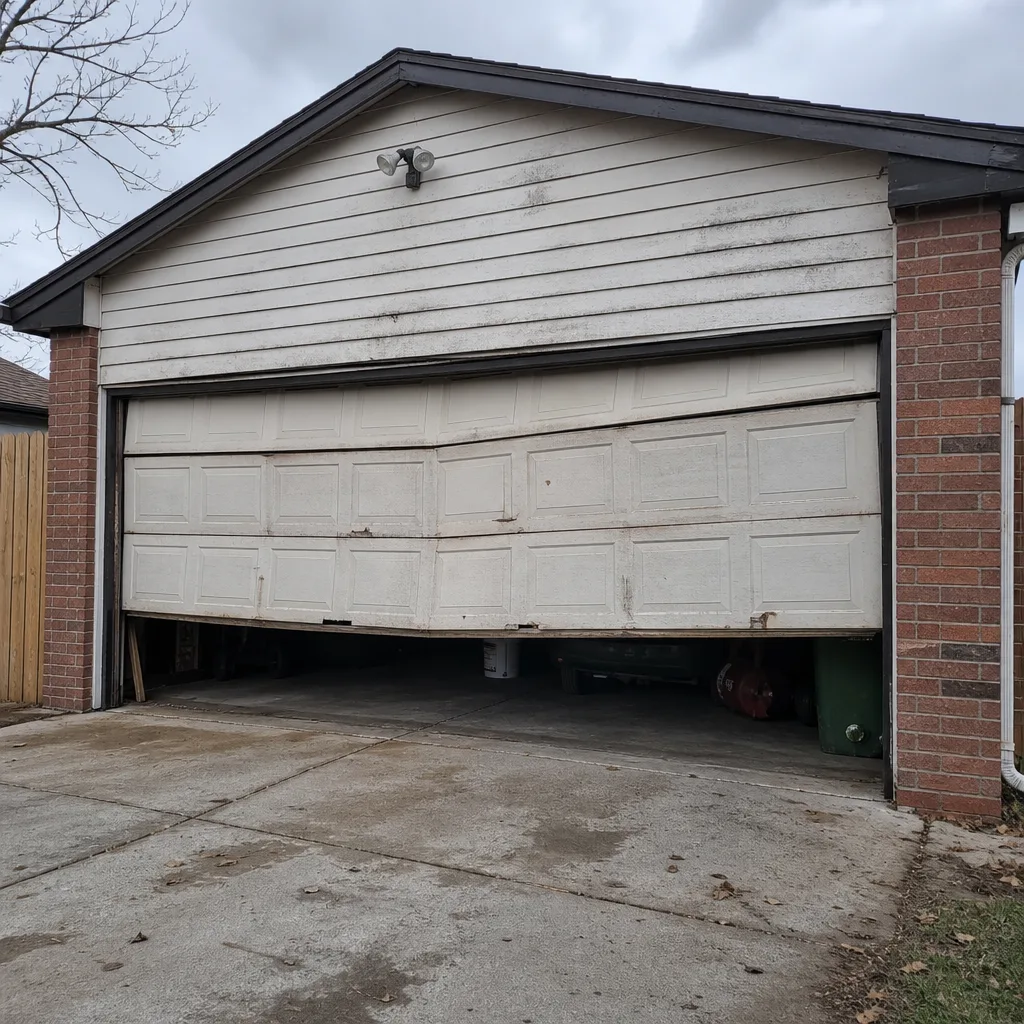 Before
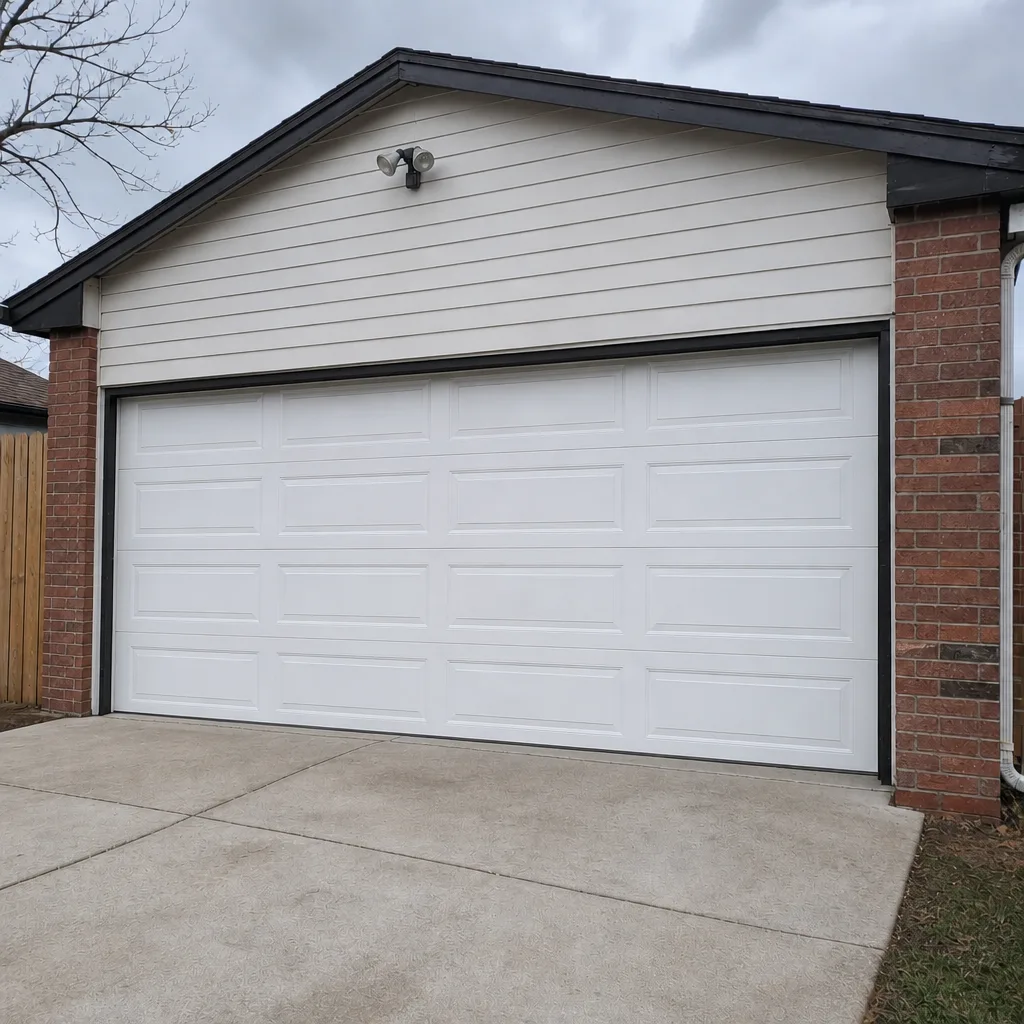 After
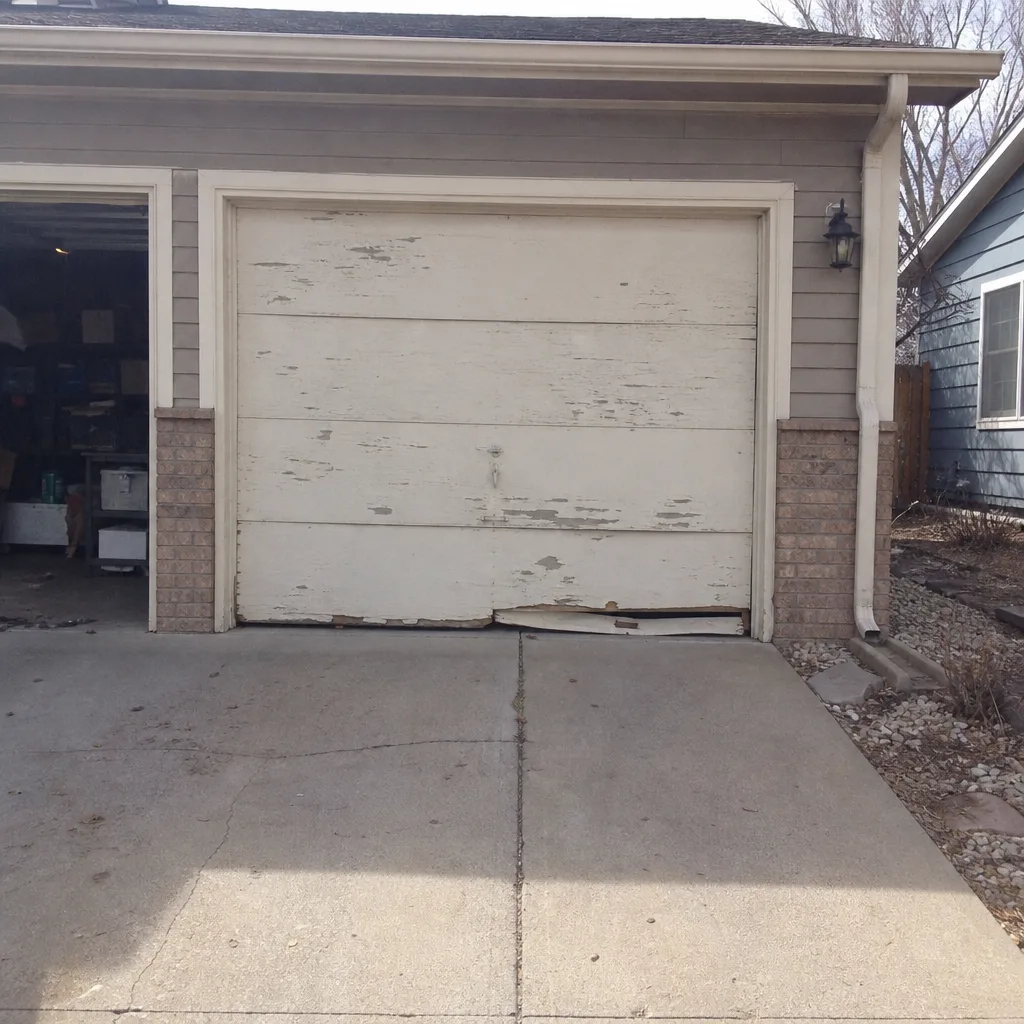 Before
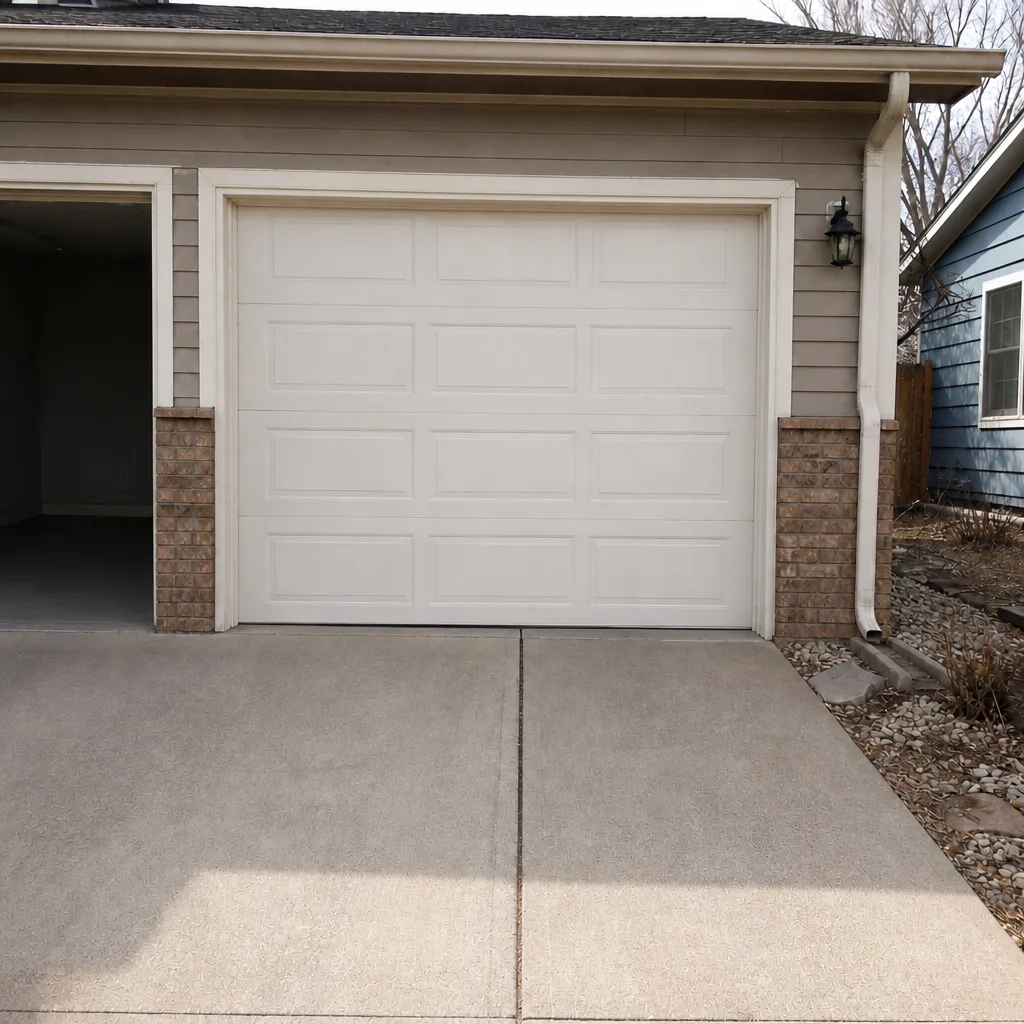 After
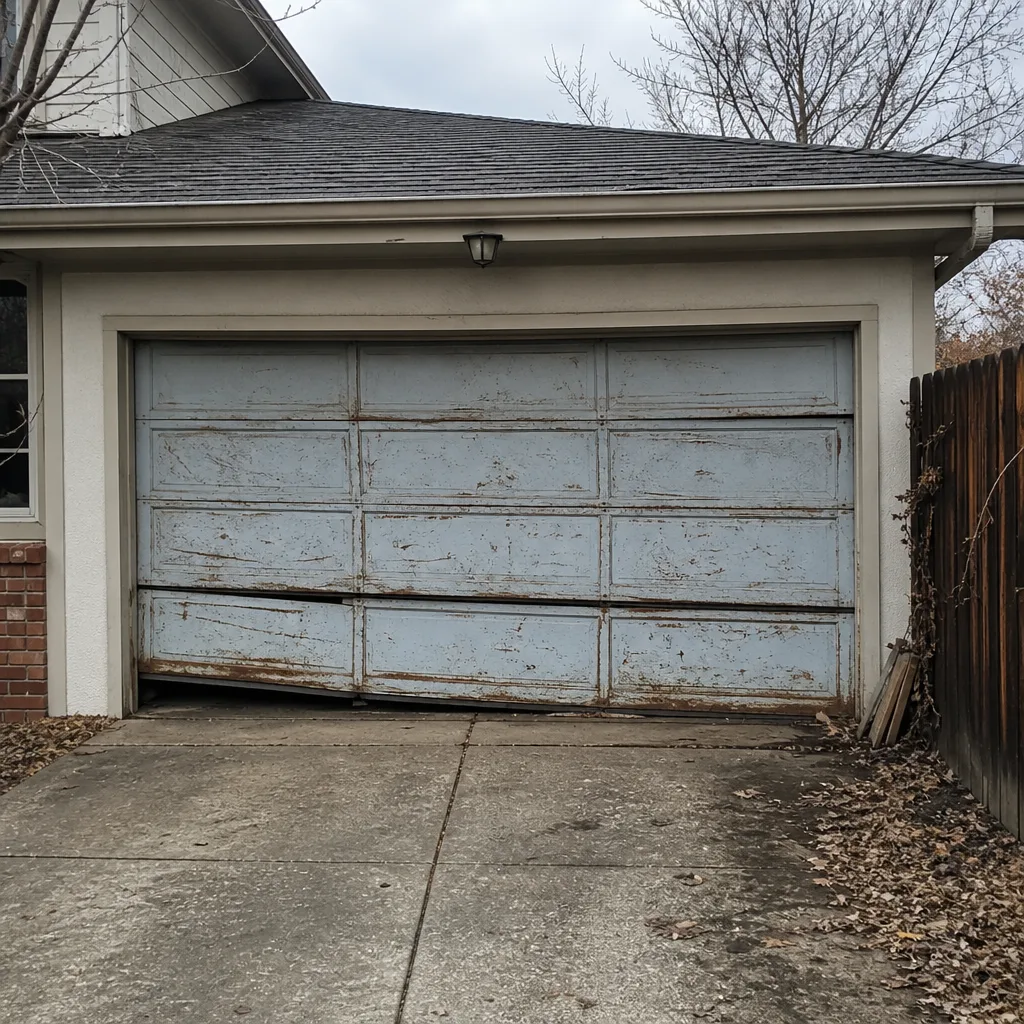 Before
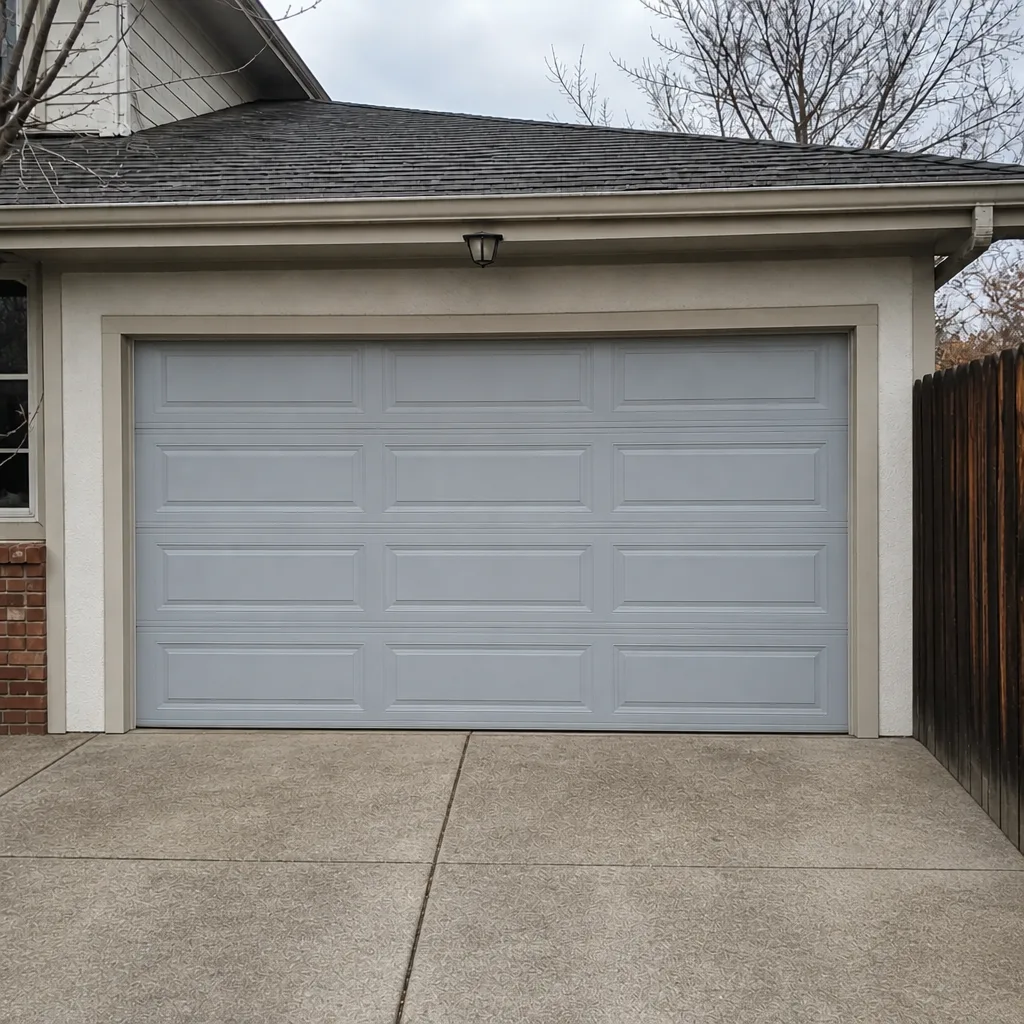 After