
Last updated November 15, 2026
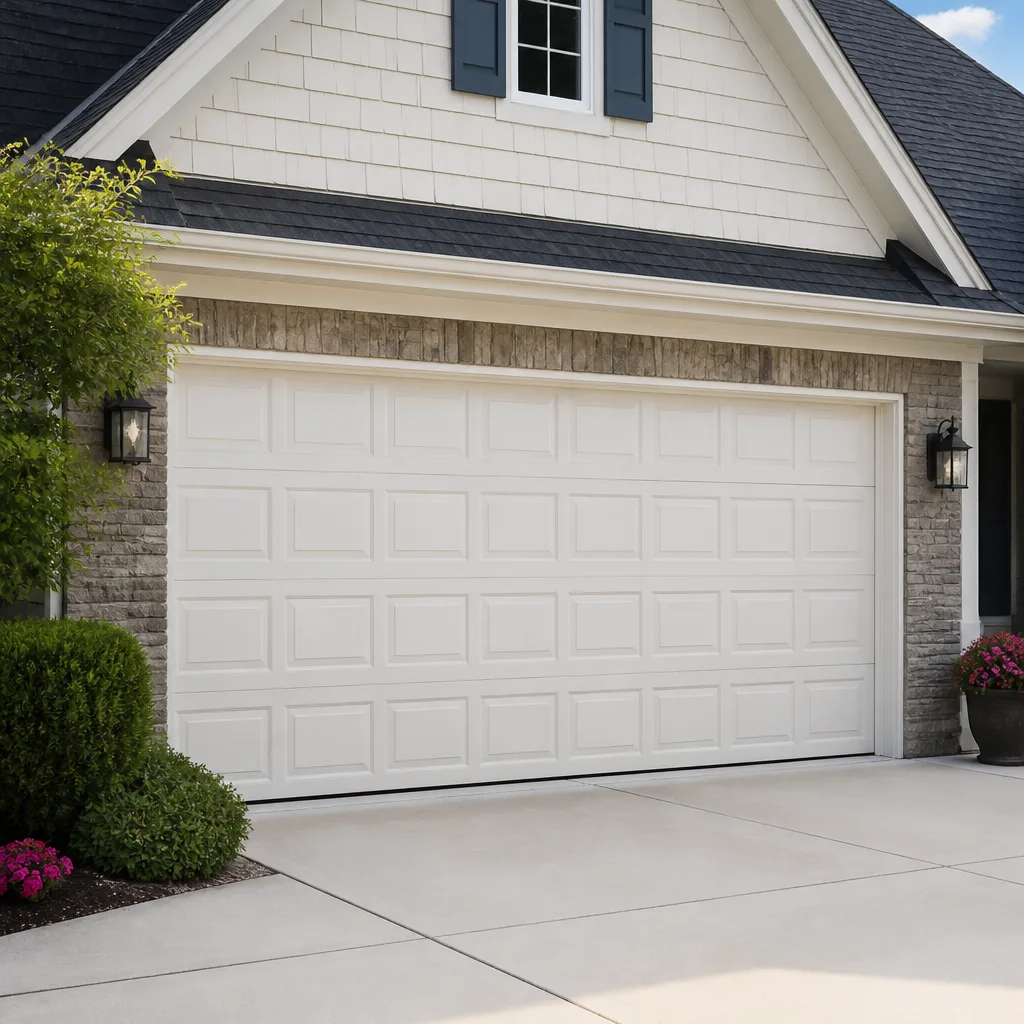 Raised-panel steel
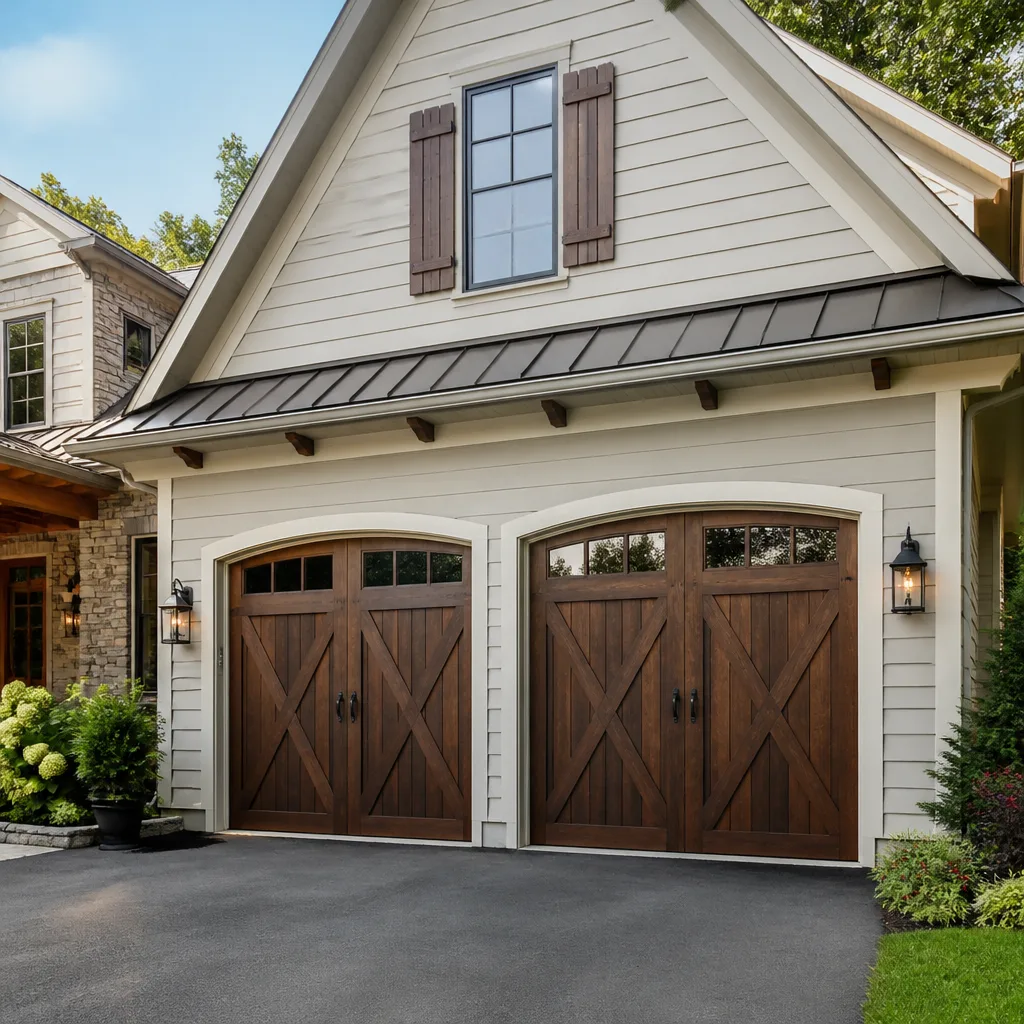 Carriage house
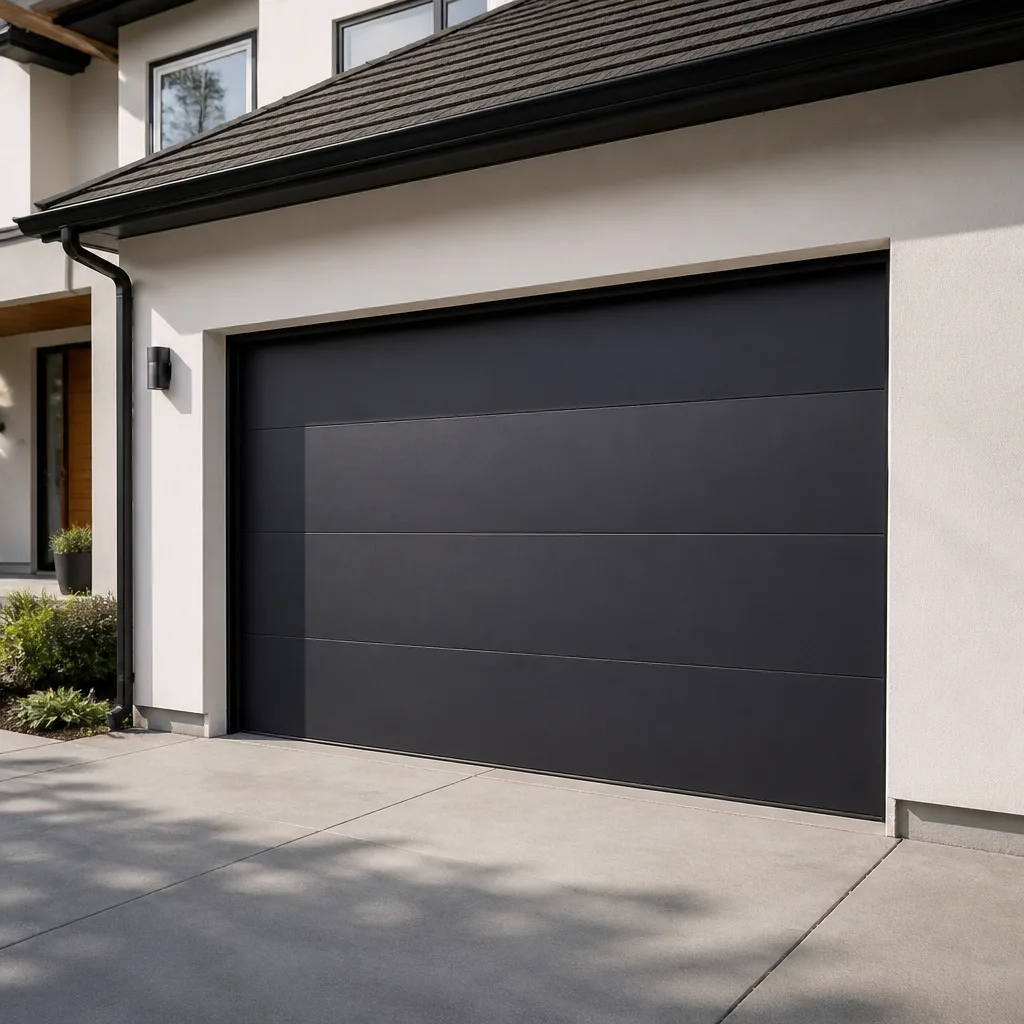 Modern flush
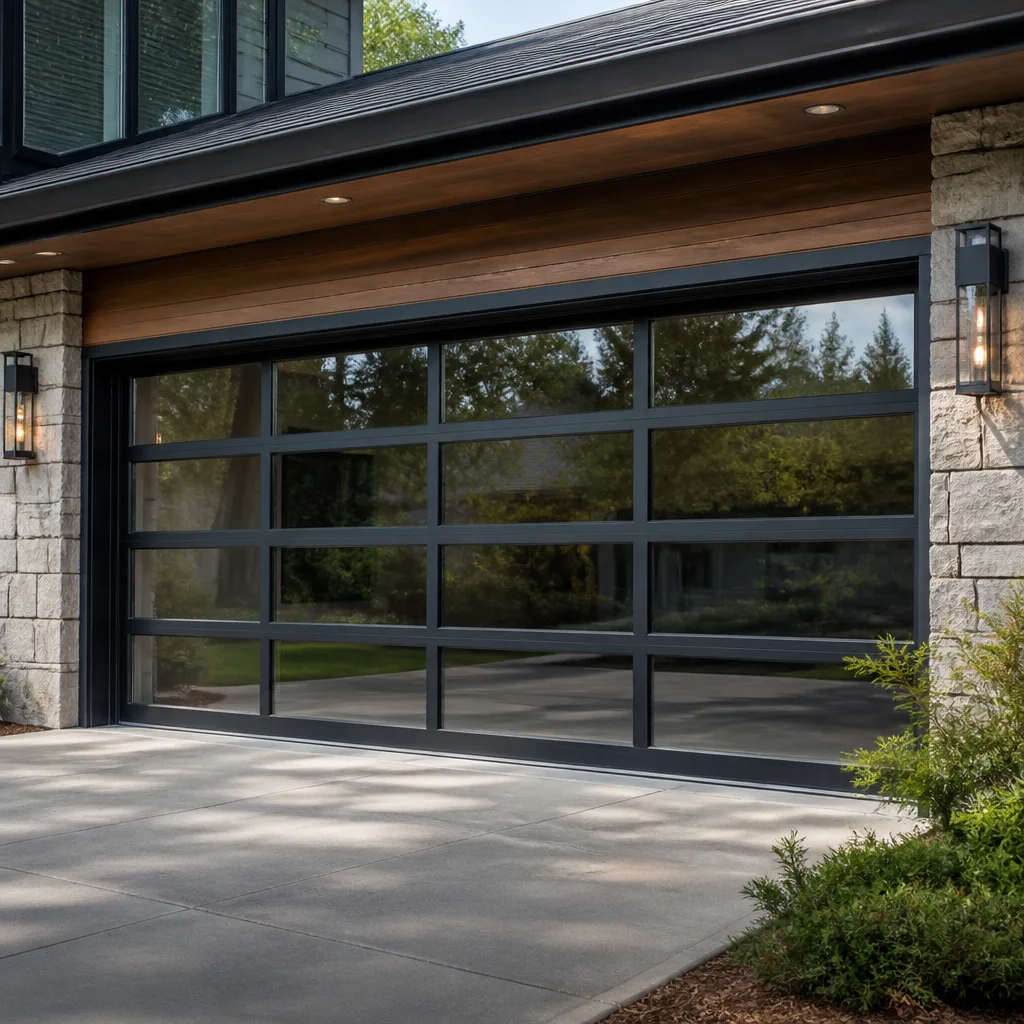 Full-view glass
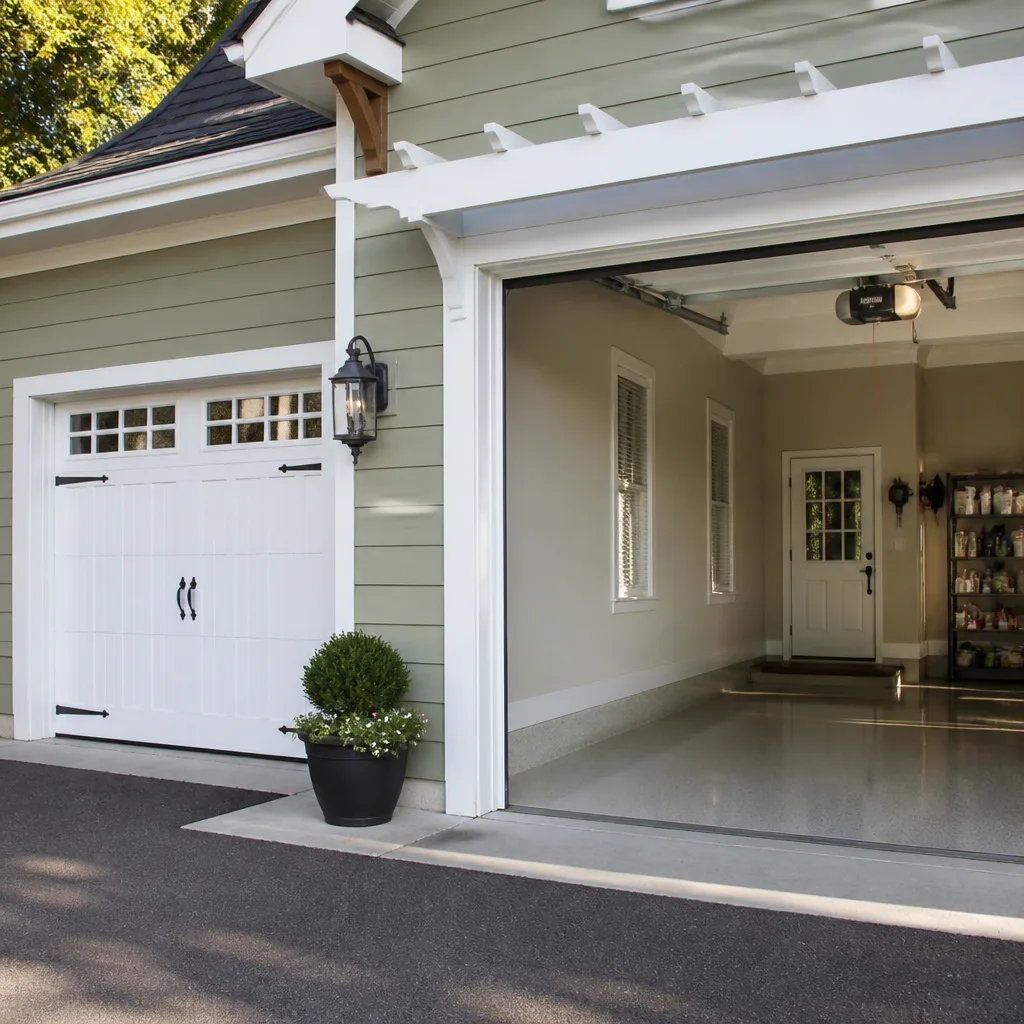 LiftMaster openers
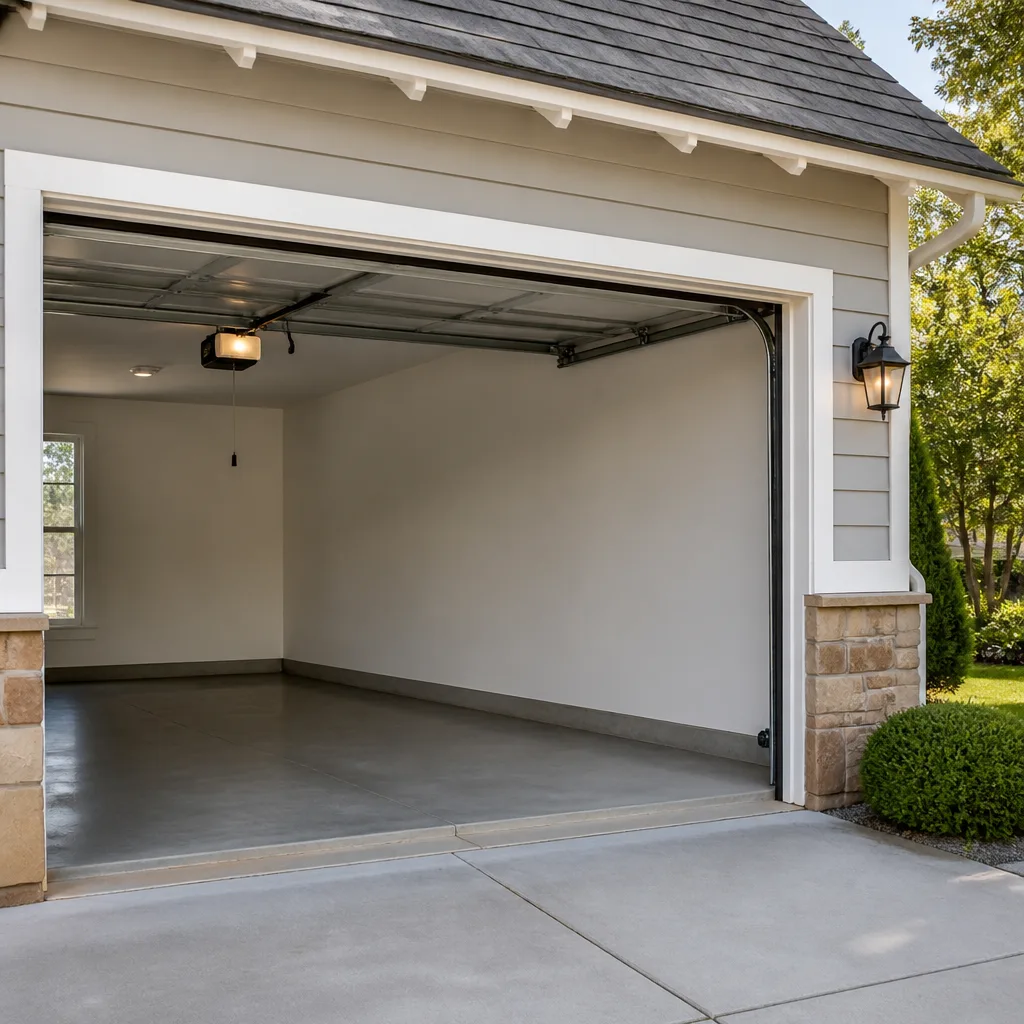 Chamberlain openers
Full 25-point door and opener safety check with every visit - springs, cables, rollers, tracks, and your LiftMaster or Chamberlain opener included
You get a price before we start. It does not change when the pro arrives.
Get your free estimateGarage Door Repair Maintenance Checklist for Arvada Homeowners
Most garage door maintenance checklists floating around the internet are written by manufacturers who want you to call a professional for every squeak and rattle. That’s not helpful, and it’s not honest. A careful homeowner can safely inspect and maintain a surprising amount of their own door, and knowing the difference between “I can handle this” and “this needs a trained technician” saves you money without putting anyone at risk. Here’s what almost every published checklist leaves out: forgetting to lubricate the torsion spring shaft is a big driver of premature spring failure in Colorado’s dry air, and it’s the one item you’ll rarely see listed. In this guide, we’ll walk through exactly what to check, how often, what products actually work in Arvada’s climate, and when to stop and make a call.
Quick Answer
A garage door maintenance checklist for Arvada homeowners should cover lubrication of springs, hinges, and rollers every three to six months, a balance test twice a year, a full hardware torque check at each season change, and weather seal inspection before winter and after summer UV exposure. Homeowners can safely handle lubrication, visual inspection, and seal checks. Springs, cables, and opener adjustments belong to a trained technician.
Styles & brands we work with
- Raised-panel steel
- Carriage house
- Modern flush
- Full-view glass
- LiftMaster openers
- Chamberlain openers
Table of Contents
- Why Arvada’s Climate Changes Garage Door Maintenance
- The Lubrication Points Most Checklists Miss
- How to Test Balance Safely Without Touching the Springs
- Hardware Torque Checks for Hinges, Rollers, and Sections
- Weather Seal Inspection for Colorado Conditions
- Opener Maintenance You Can Do Yourself
- What to Document Before You Call Anyone
- A Seasonal Schedule That Fits Arvada Weather
Why Arvada’s Climate Changes Garage Door Maintenance
Arvada sits at the edge of the Front Range, which means garage doors here see temperature swings that most of the country doesn’t. A door can go from a 95-degree afternoon to a 40-degree night in the same week, and that cycling is hard on metal. Steel panels expand and contract at a different rate than the hinges and bolts holding them together. Over a few seasons, bolts back out, rollers work loose, and sections shift.
The other half of the story is humidity, or the lack of it. Arvada runs dry for most of the year, and dry air pulls moisture out of anything that can lose it. Springs are the obvious victim because they’re under constant tension, but the torsion shaft is where the effect is most dramatic and least understood. A dry shaft creates friction inside the spring coils every time the door moves. That friction grinds away at the wire and shortens the spring’s working life. In our experience, a spring that should last for years can fail early simply because nobody ever lubed the shaft it rides on.
UV exposure is the third factor. At Arvada’s elevation, sunlight hits harder than it does at sea level, and garage doors face it directly. Bottom seals, side seals, and any rubber or vinyl component on the door will crack and degrade faster here than they would in a wetter, lower climate. That means seal inspection isn’t an annual chore in Arvada. It’s a twice-a-year habit, once before winter and once after summer.
- Temperature cycling: fast swings between hot afternoons and cold nights loosen bolts and shift panels.
- Low humidity: dry air and dry metal shorten spring life if the torsion shaft isn’t lubricated.
- High UV: sun exposure degrades rubber seals faster than in most other climates.
- Wind and grit: Front Range wind drives dust into tracks and rollers, so they need cleaning along with lubrication.
None of this means you need to call someone every month. It means the maintenance items you do handle yourself carry more weight here than they might elsewhere. The checklist below is built around that reality.
The Lubrication Points Most Checklists Miss
Lubrication is where most published maintenance checklists fall short. They tell you to lube the rollers and hinges and stop there. That leaves out the torsion spring shaft, which is arguably the most important item on the whole list for an Arvada door.
Here’s why. The torsion spring is coiled around a steel shaft that runs above the door. Every time the door opens or closes, the spring winds and unwinds around that shaft. If the shaft is dry, the spring doesn’t glide, it grinds. The friction eats into the spring wire from the inside. You can’t see it happening, and you won’t notice until the spring breaks. A few seconds of lubricant on the shaft, applied with the door closed and the spring under no more tension than its resting state, prevents the problem entirely.
The product matters as much as the point. WD-40 is a solvent, not a lubricant, and it will strip whatever protective coating is on your components and then evaporate. What you want is a lithium grease spray or a silicone-based lubricant designed for garage door hardware. Those stay put and don’t attract dust the way heavier grease does.
In Arvada’s dry air, we recommend lubricating every three to six months. A good rule is to do it when you change your furnace filter or when the seasons turn, whichever comes more often for you. The full list of points:
- Torsion spring shaft: a light coating along the length of the shaft where the spring coils ride.
- Hinges: a drop on each pivot point, not the plate itself.
- Rollers: the stem and bearing, not the wheel face.
- Tracks: a thin film of silicone, never grease. Grease traps grit and turns tracks into grinding paste.
- Lock or latch (if you have one): a small amount of graphite or silicone.
Skip the opener rail and the opener motor itself. Those don’t need lubrication, and adding it can attract dust into the mechanism.
How to Test Balance Safely Without Touching the Springs
You can test whether your door is balanced without ever putting your hands near the springs or cables. This is the safest diagnostic a homeowner can run, and it tells you a lot about the health of the whole system.
A balanced door weighs roughly the same to lift whether it’s at the bottom, the middle, or near the top. If the springs are doing their job, the door should feel light and consistent. If one spring is failing or the tension has drifted, the door will feel heavy going up or drop too fast coming down.
- Close the door fully and disconnect the opener using the manual release cord. Pull it straight down and let the trolley detach from the door arm.
- Lift the door by hand about halfway up and stop. It should stay there with minimal help. If it sags back down, the springs aren’t supporting it. If it rises on its own, they’re over-tensioned.
- Lower the door slowly and let go a few inches from the floor. It should settle, not slam.
- Reconnect the opener and run the door through one full open-close cycle to confirm it catches smoothly.
What you do NOT do is adjust the springs based on what you feel. Torsion springs are under extreme tension and can cause serious injury if released incorrectly. Never loosen the set screws on a spring winding cone, never try to “tighten up” a spring with a wrench, and never reach into the coil area while the door is in motion. If the balance test shows a problem, that’s the moment to stop and call a trained technician for garage door repair. In our experience, most spring failures trace back to a door that was running out of balance for weeks before anyone noticed.
Hardware Torque Checks for Hinges, Rollers, and Sections
Every bolt and screw on a garage door works loose over time, but in Arvada the process speeds up. Temperature cycling is the reason. Steel panel sections, hinges, and the brackets holding the rollers all expand and contract at slightly different rates. Each cycle nudges the fasteners a little. After a few hundred cycles, you get a door that rattles when it moves, and rattling means vibration, and vibration accelerates wear on every moving part.
The fix is a simple pass with a socket wrench or screwdriver every season change. You’re not tightening anything hard, just snugging. Over-tightening can strip threads or crack the panel where a bracket mounts.
- Hinge screws: each hinge is held by screws into the panel. Snug at the top and bottom of each hinge plate.
- Roller brackets: the metal holder that grips each roller stem. Loose brackets let the roller wobble, which wears out the track.
- Section bolts: wherever two panels meet, check the bolts. These are the ones most likely to work loose after a cold snap.
- Track mounting brackets: the brackets that anchor the vertical and horizontal tracks to the wall and ceiling. A loose bracket changes the angle of the track and can cause the door to bind.
- Opener mounting bolts: where the opener hangs from the ceiling and where the rail attaches to the header bracket.
While you’re doing this, look at the rollers themselves. Nylon rollers wear smooth and quiet. Steel rollers develop flat spots that make the door clunk. If you see flat spots, chipped edges, or rollers that don’t spin freely, they’re due for replacement. That’s a job a technician can knock out quickly, and it’s worth grouping with other work if you’re already having the door looked at.
The brand of door doesn’t change the process. Whether you have a Clopay, Amarr, or Wayne Dalton in your Arvada garage, the hardware check is the same. We work on all of those and on Raynor doors as well, and the fasteners are standard across them.
Weather Seal Inspection for Colorado Conditions
Weather seals are where Arvada’s UV exposure does the most visible damage. There are two seals worth checking, and they fail in different ways.
The bottom seal is the rubber or vinyl strip running along the bottom of the door. In Colorado, UV cracks it. You’ll see checking, cracking, or a chalky gray appearance on what used to be black rubber. Once it cracks through, the seal no longer blocks wind, dust, or cold air, and small animals can find their way in. Bottom seals are one of the easier parts to replace yourself if you’re comfortable with the process. If the seal is inserted in a retainer, it slides out and a new one slides in.
The side seals are the strips of weatherstripping on the jambs that the door presses against when it’s closed. These usually fail by compression, not cracking. Over time the material flattens out and stops springing back. You can check by closing the door and running a hand along the edge. If you feel air coming through, the seal has lost its spring. Side seal replacement is a bit more involved than a bottom seal because the material is usually nailed or stapled to the jamb, and it’s worth having a technician do it if the jambs are older or the trim is in the way.
- Bottom seal cracked or chalking: replace before winter. Cracks let in cold air and dust.
- Bottom seal flattened but intact: you can often get another season, but check again after summer.
- Side seal compressed with visible gap: air infiltration. Replace, or have a technician replace if the trim is difficult to remove.
- Seal torn or hanging: replace promptly. A torn seal can catch on the track and damage the door.
- Daylight visible around the door edges: the seal has failed. This is also an energy and security issue.
In Arvada, we recommend inspecting both seals in spring after the UV-heavy months and again in fall before the first freeze. That timing catches the two failure modes when they’re still minor.
Opener Maintenance You Can Do Yourself
The opener is the part of the system most homeowners ignore until it stops working. A few simple checks keep it running well and catch problems before they strand you.
Start with the safety reverse test, which you should do monthly. Put a small block of wood or a rolled-up towel on the ground where the door closes. Hit the close button. The door should reverse when it hits the object. If it keeps going, stop using the opener and call for garage door opener repair. The same applies to the photo-eye sensors mounted near the floor on each side of the door. Test them by passing an object across the beam. The door should reverse.
Next, listen. Every opener has a sound signature, and changes mean something. A grinding noise often points to a worn gear or a dry sprocket. A clicking without movement points to a capacitor or logic board fault. A door that opens partway and stops might be a limit switch setting, a travel adjustment, or a signal from the door itself.
If you have a LiftMaster or Chamberlain opener, the wall control usually has a lock feature and a light button. If your remote quits working but the wall control is fine, the problem may be a dead battery or a frequency issue, not the motor. Genie and Craftsman openers have their own quirks, and knowing them is where a tech who works on all four saves you time. When our technicians arrive, they already know the system, because we work on LiftMaster, Chamberlain, Genie, and Craftsman openers as routine service.
One thing not to do: don’t try to open the opener housing to “check the gears” yourself. The capacitors inside can hold a charge even after power is off, and the motor assembly has springs under tension. That’s a technician’s job.
What to Document Before You Call Anyone
Most people call for service with no information, which means the first part of the appointment goes to diagnosis. If you document four things in advance, any technician can often figure out roughly what’s wrong before ever setting foot in your garage. That saves time and, in a lot of cases, saves a second trip.
- Photos of the door from the front, the side, and the inside. Include the springs, tracks, and opener. If there’s visible damage, photograph it up close.
- Brand and model of the door and the opener. The opener info is on a sticker on the back or under the light cover. Door info is usually on a label on one of the panels or the bottom bracket.
- Measurements. Door width and height are useful. If the door is sticking or hitting something, note where.
- What the door does when you try to open it. Does the opener run but the door doesn’t move? Does it move a few inches and stop? Does it reverse immediately? Does it make a specific noise? Write down exactly what happens.
This is the kind of detail that lets us pull up the right parts before we arrive, whether you have a Wayne Dalton or an Amarr door, or a LiftMaster or Chamberlain opener. Without it, we’re guessing on the first visit. With it, the first visit is often the only one.
One last item: check whether the door is inside a warranty period for the panels or hardware. If it is, note the date of installation and the brand. That doesn’t change the repair, but it does change how you might handle it.
A Seasonal Schedule That Fits Arvada Weather
The cleanest way to keep up with all of this is to attach it to the seasons. Arvada’s weather gives you four clear checkpoints, and if you tie the tasks to them, you’ll never have to remember when the last lubrication was.
- Early spring (March to April): after the last hard freeze but before the heat arrives. Lubricate springs, hinges, and rollers. Run the balance test. Inspect seals for winter damage.
- Early summer (June): torque check on all hardware. Clean the tracks with a rag and a light silicone spray. Test the opener’s safety reverse.
- Early fall (September): second lubrication pass if it’s been a dry summer. Inspect the seals after peak UV season. Test the balance again.
- Late fall (November): before the first snow. Final seal inspection, hardware torque, and a full open-close cycle to catch anything before it gets cold.
If you’d rather do it once and be done, a full service call in the fall covers most of it. Our technicians have up to 8 years of experience, and they know what to look at on any brand of door or opener. It’s a good check-in once a year, even if nothing is broken.
For anyone in Arvada who’s new to the area, or who just bought a house with an older door, a single maintenance visit is also a way to learn the door’s condition. An older door that looks fine can have springs near the end of their life, rollers worn to flat spots, and a seal that’s been slowly failing for years. Catching those on a service visit is far cheaper than catching them after a spring breaks at a bad moment.
Common Mistakes to Avoid
- Using WD-40 as a lubricant. It’s a solvent, and it will strip the existing lubricant and dry out the parts. Use lithium grease or silicone instead.
- Skipping the torsion spring shaft. In Arvada’s dry air, an unlubricated shaft is one of the main reasons springs fail early, and it’s the most commonly missed lubrication point.
- Tightening loose bolts too hard. Snug is the goal. Over-tightening cracks panels and strips threads, and repairs for that cost more than the tightening would have.
- Adjusting the springs yourself. Torsion springs are under extreme tension and can cause serious injury if released incorrectly. Balance tests are safe. Spring adjustments are not.
- Ignoring a seal that looks “a little cracked.” UV damage in Arvada moves fast, and a small crack becomes a full replacement within a season.
- Calling for service with no information. Photos, brand, model, and a description of the symptoms make the first visit count. Without them, expect a return trip.
- Treating the opener as separate from the door. The two work as a system. A door that binds will wear out an opener faster, and an opener with a bad limit switch will damage a healthy door.
See the difference
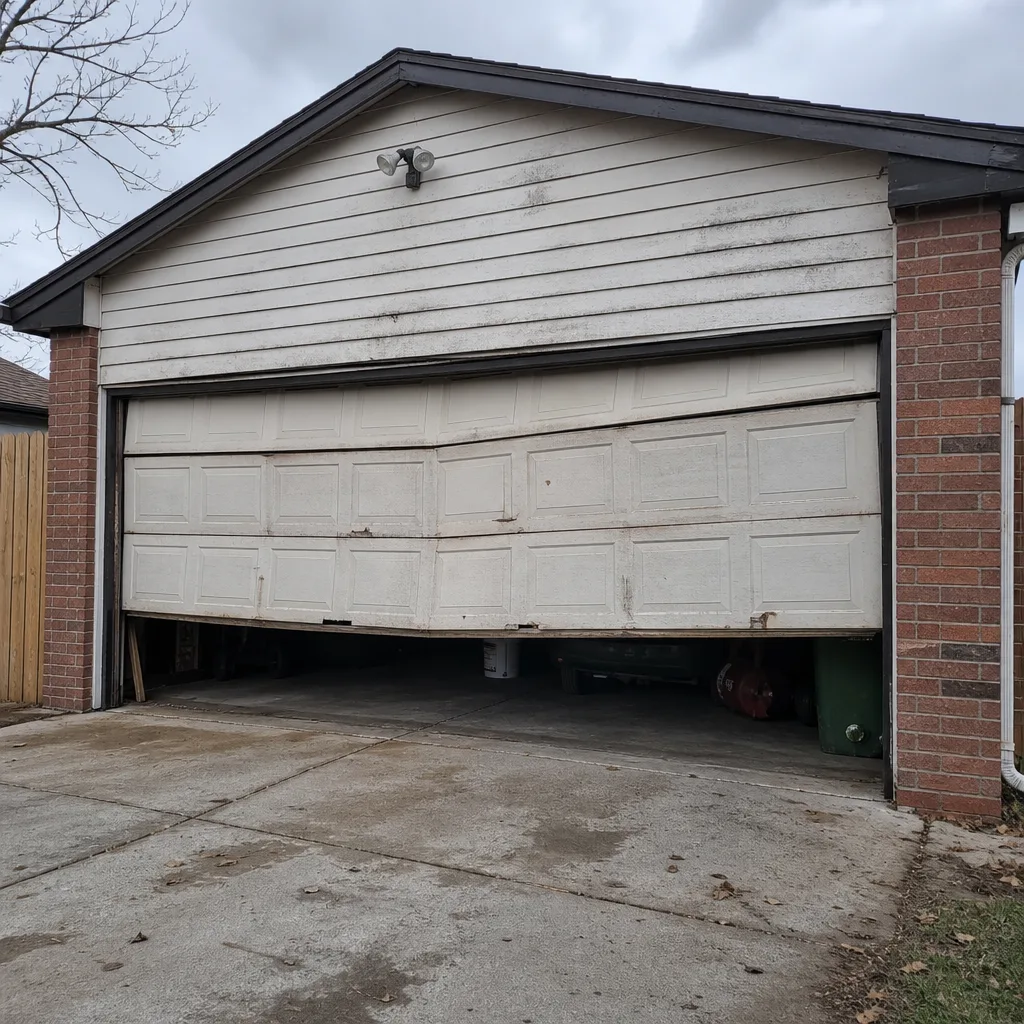 Before
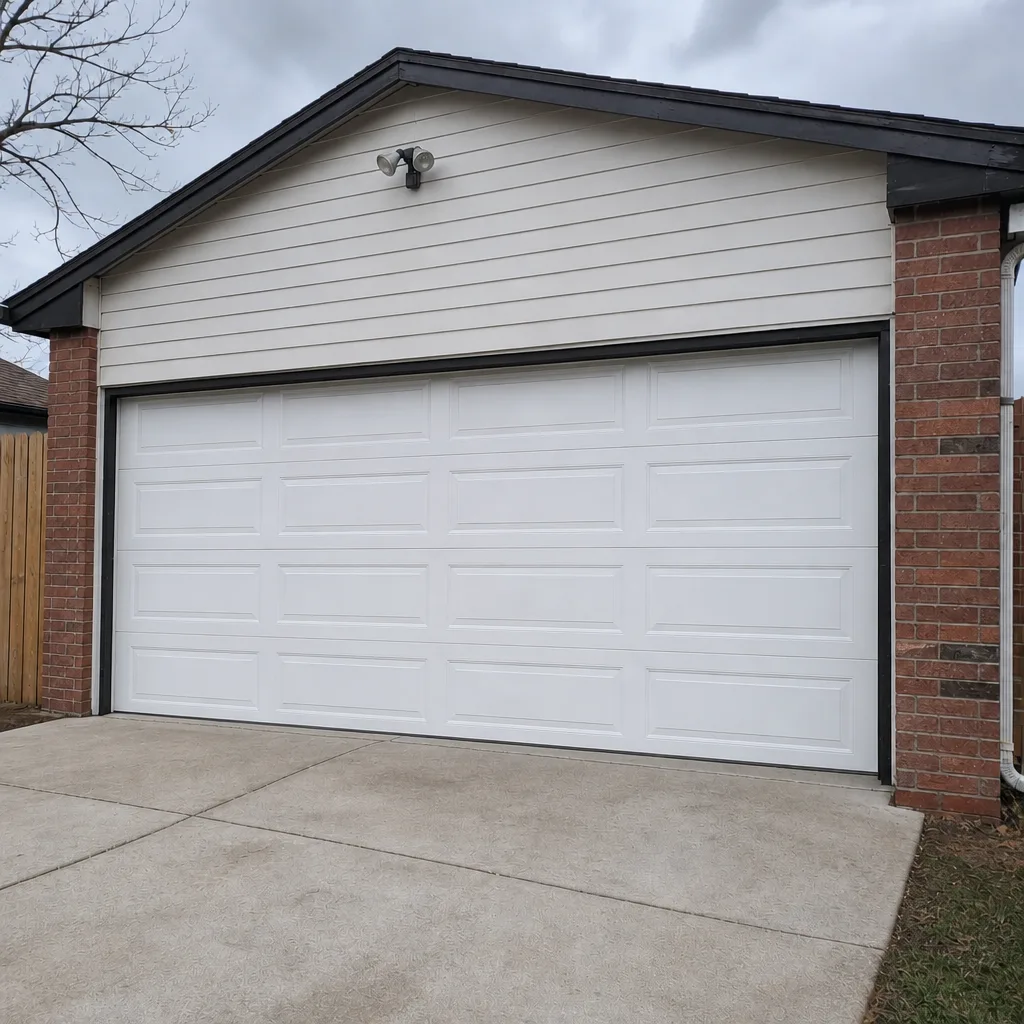 After
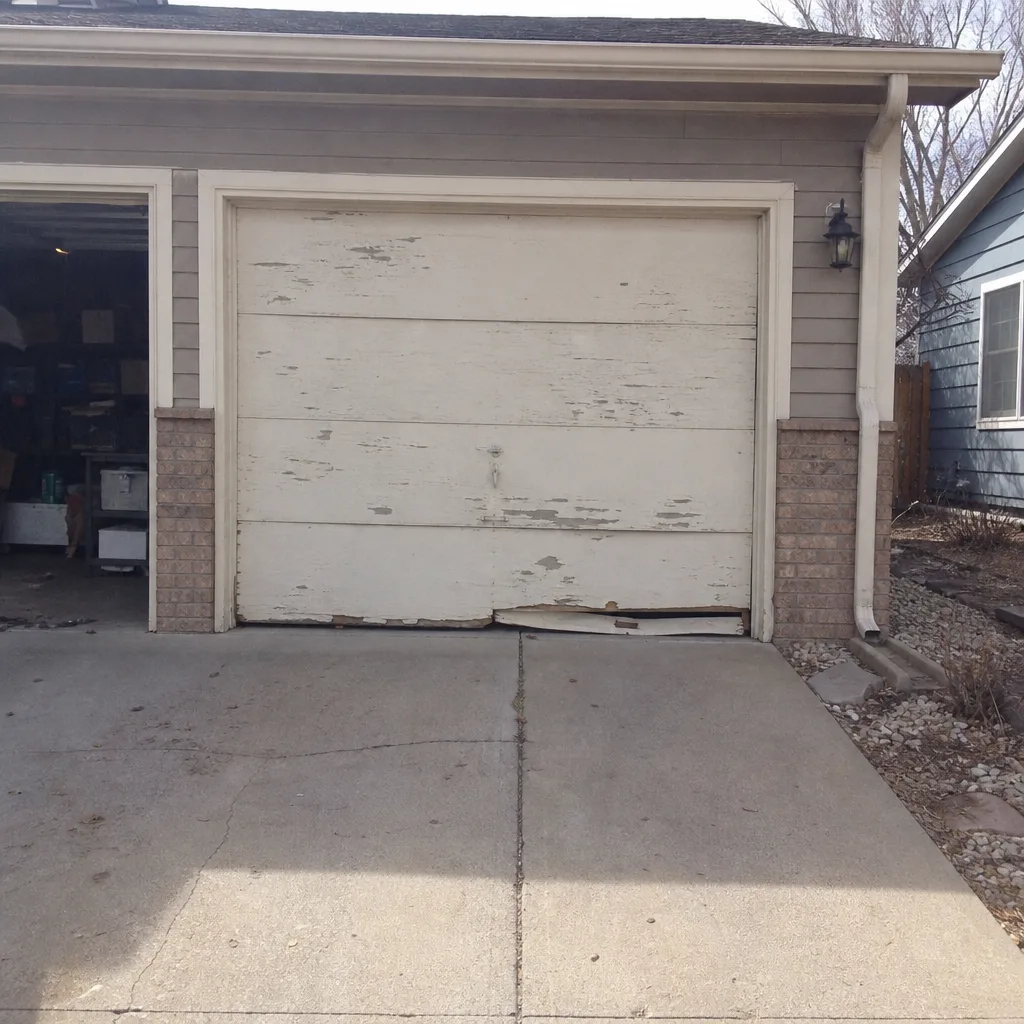 Before
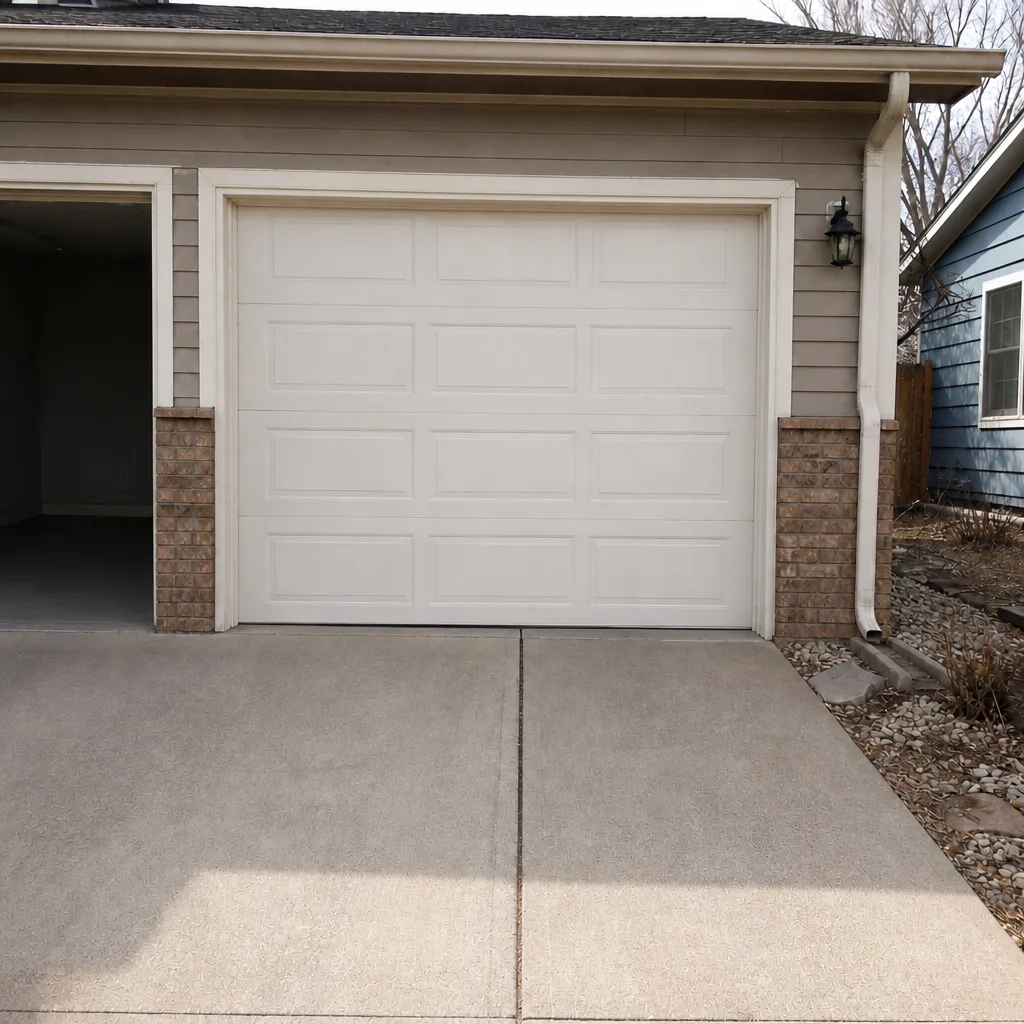 After
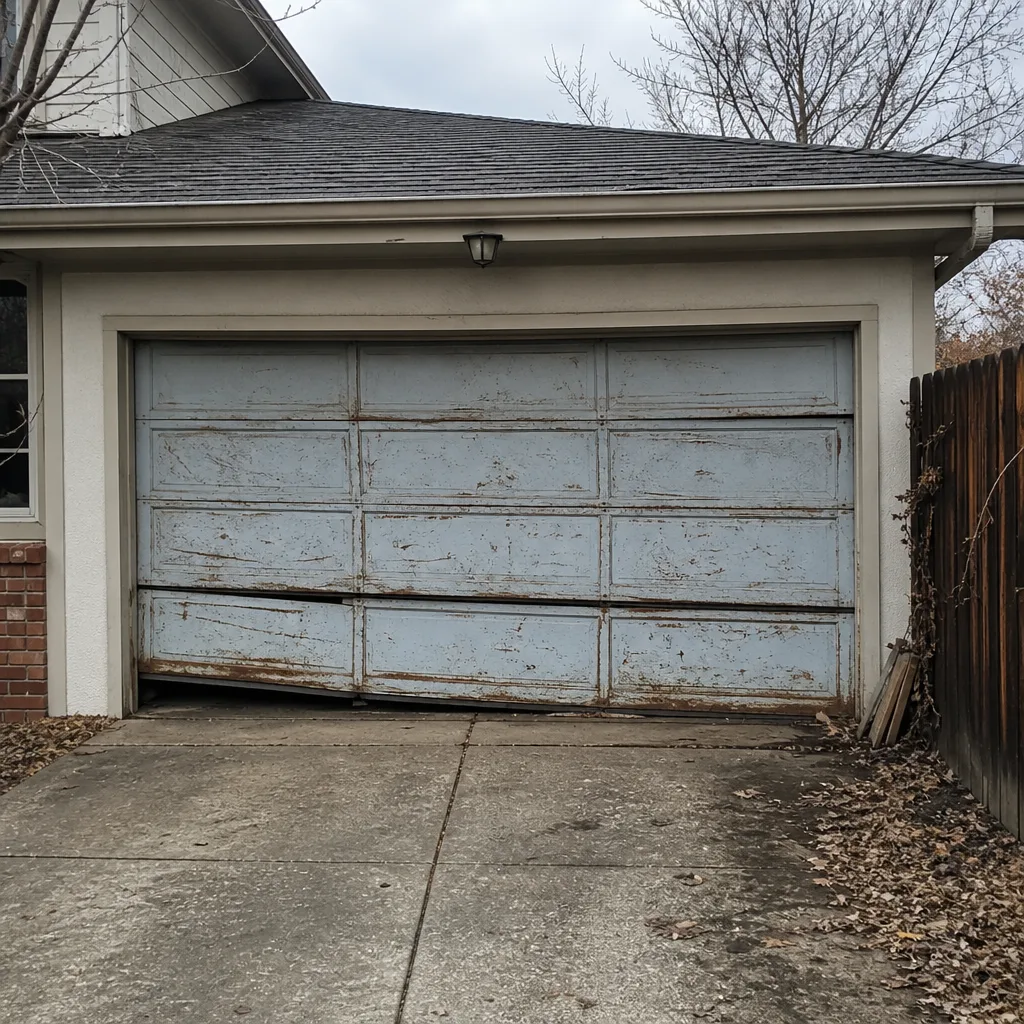 Before
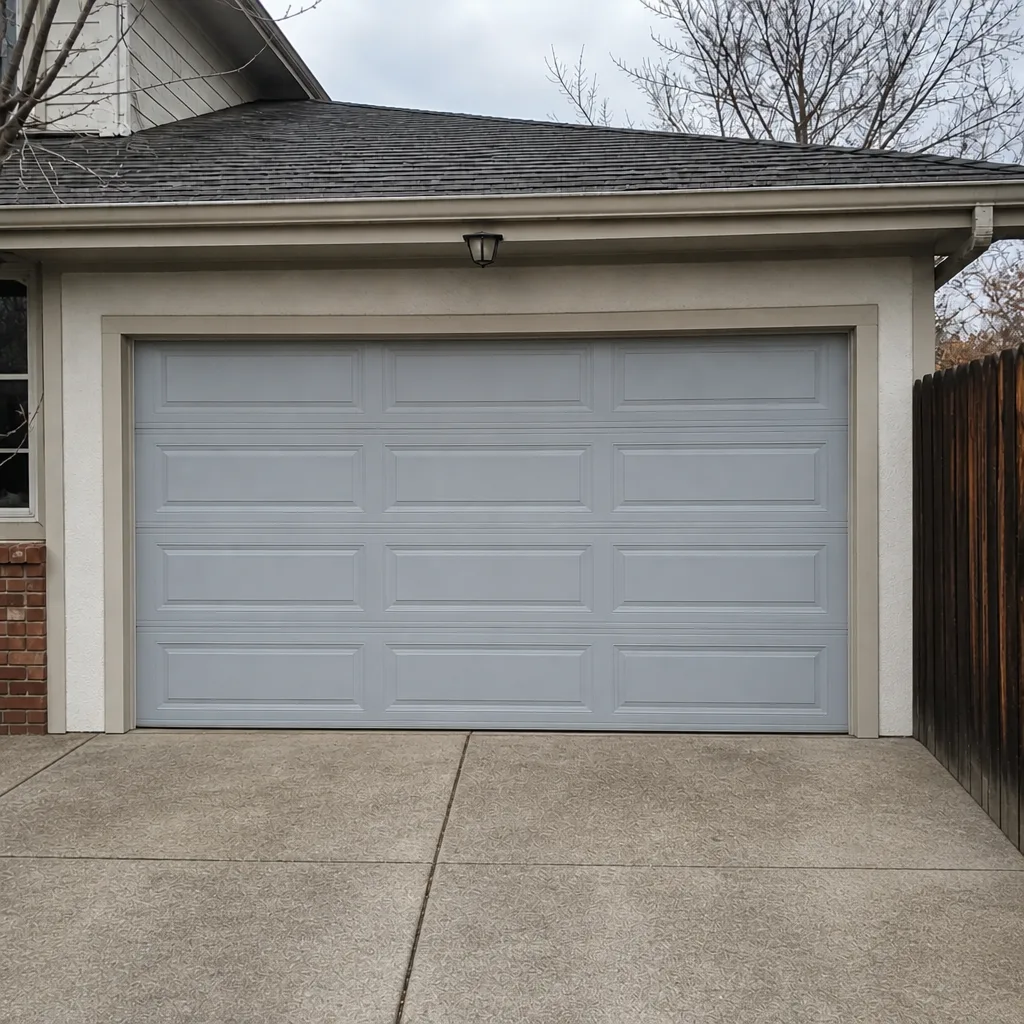 After
When to Call a Professional
Some garage door problems are a homeowner’s job and some are not. If you hear a loud snap from the spring area, if the door won’t stay up when you lift it halfway, if a cable looks frayed, if the door has come off one of its tracks, or if the opener runs but the door doesn’t move, stop and call. Those are the situations where troubleshooting yourself can make things worse or cause injury. The same goes for any opener problem that involves the motor assembly or the capacitor, and for any door that has been hit by a vehicle or storm damage.
Arvada Garage Door Service offers free estimates in Arvada. Call (866) 984-9695. We answer 24/7, with fast dispatch from 7am to 7pm, Sunday through Friday. Our technicians have up to 8 years of experience, and we work on all the major brands, so we’re not learning your system on the job.
Frequently Asked Questions
Every three to six months is right for Arvada’s dry climate. Lubricate the torsion spring shaft, hinges, rollers, and tracks with lithium grease or silicone, and avoid WD-40 because it’s a solvent, not a lubricant. Call (866) 984-9695 if you want a technician to do a full service pass – estimates are free.
You can test the door’s balance without touching the springs, but not the springs themselves. Disconnect the opener, lift the door halfway, and see if it stays. If it sags or rises, the springs need professional attention. Torsion springs are under dangerous tension, so never adjust them yourself. Call (866) 984-9695 for a free estimate on any spring issue.
Look for a label on the inside of a panel or on the bottom bracket. The most common brands in Arvada garages are Clopay, Amarr, Wayne Dalton, and Raynor, and the info is usually printed somewhere on the door. If you can’t find it, a photo of the hardware is often enough for a technician to identify it. Call (866) 984-9695 and we can talk through what you have.
Spring life depends on cycles, not years, but Colorado’s dry climate and temperature swings do shorten it. Keeping the torsion shaft lubricated is the single most effective thing you can do to extend it. If your door has gotten noticeably heavier in the last few months, the springs may be near the end. Call (866) 984-9695 for a free estimate.
UV at Arvada’s elevation breaks down rubber and vinyl faster than in lower climates. Bottom seals crack and chalk, and side seals flatten out from compression. Replacing a bottom seal yourself is doable; side seal replacement is usually a technician job. Call (866) 984-9695 for a free estimate.
Yes. We work on LiftMaster, Chamberlain, Genie, and Craftsman openers as core service, along with doors from Clopay, Amarr, Wayne Dalton, and Raynor. Our technicians arrive knowing the system, so diagnosis is faster. Call (866) 984-9695 for a free estimate.
The Bottom Line
Most of what keeps a garage door healthy in Arvada is work you can do yourself with a socket wrench, a can of lithium grease, and a few minutes each season. Lubricate the torsion spring shaft, torque the hardware, test the balance, and inspect the seals before winter and after summer. Those four habits prevent the majority of the failures we see. What you shouldn’t touch is the springs, the cables, and the opener internals, which are the parts that can hurt you. For those, call a trained technician, and if you’re not sure which category a problem falls into, ask. We’d rather answer a quick question than quote a repair that a maintenance pass could have prevented.
Call (866) 984-9695 for a free estimate. We answer 24/7. Fast dispatch from 7am to 7pm, Sunday through Friday.
If you’re looking for a specialist who works on your brand and does nothing else, Arvada Garage Door Service is the team to call. We serve homeowners across Arvada, and this is all we do.
Written by the team at Arvada Garage Door Service.