
Last updated November 15, 2026
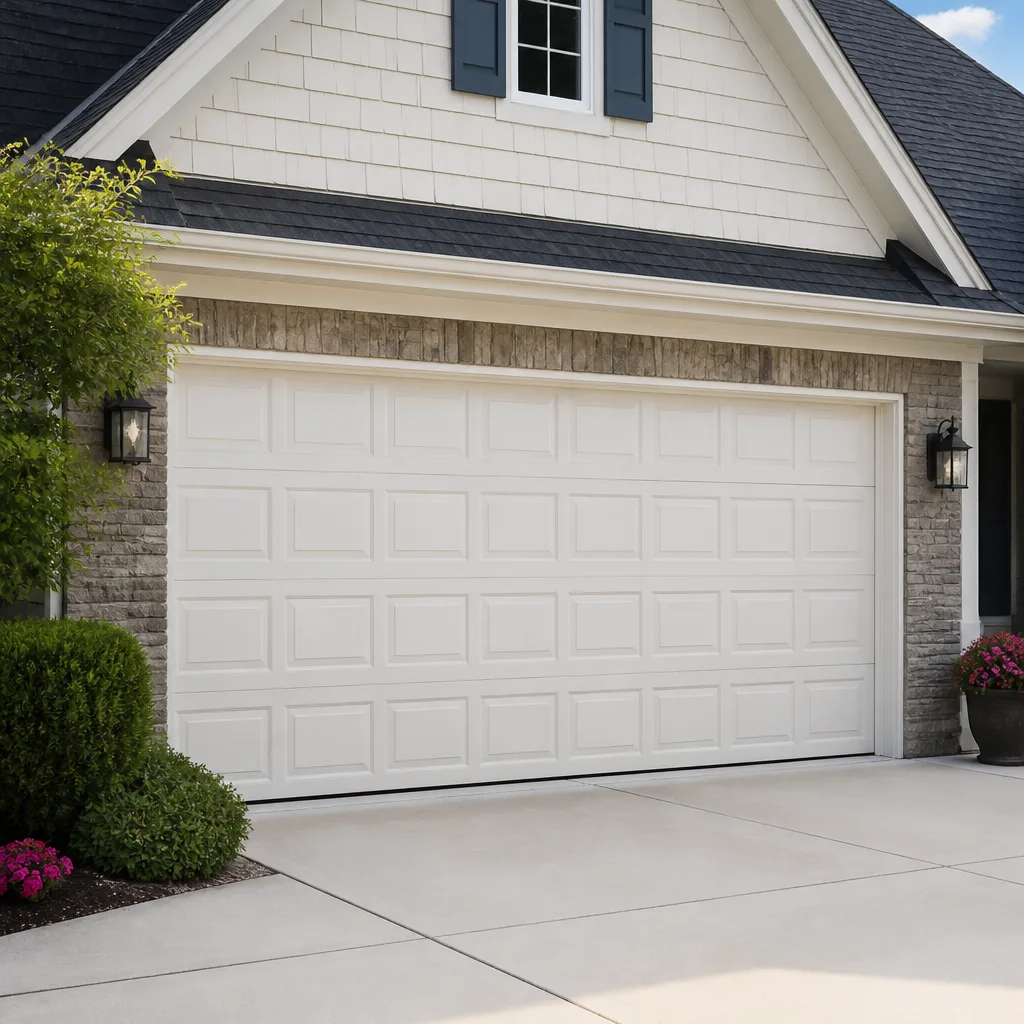 Raised-panel steel
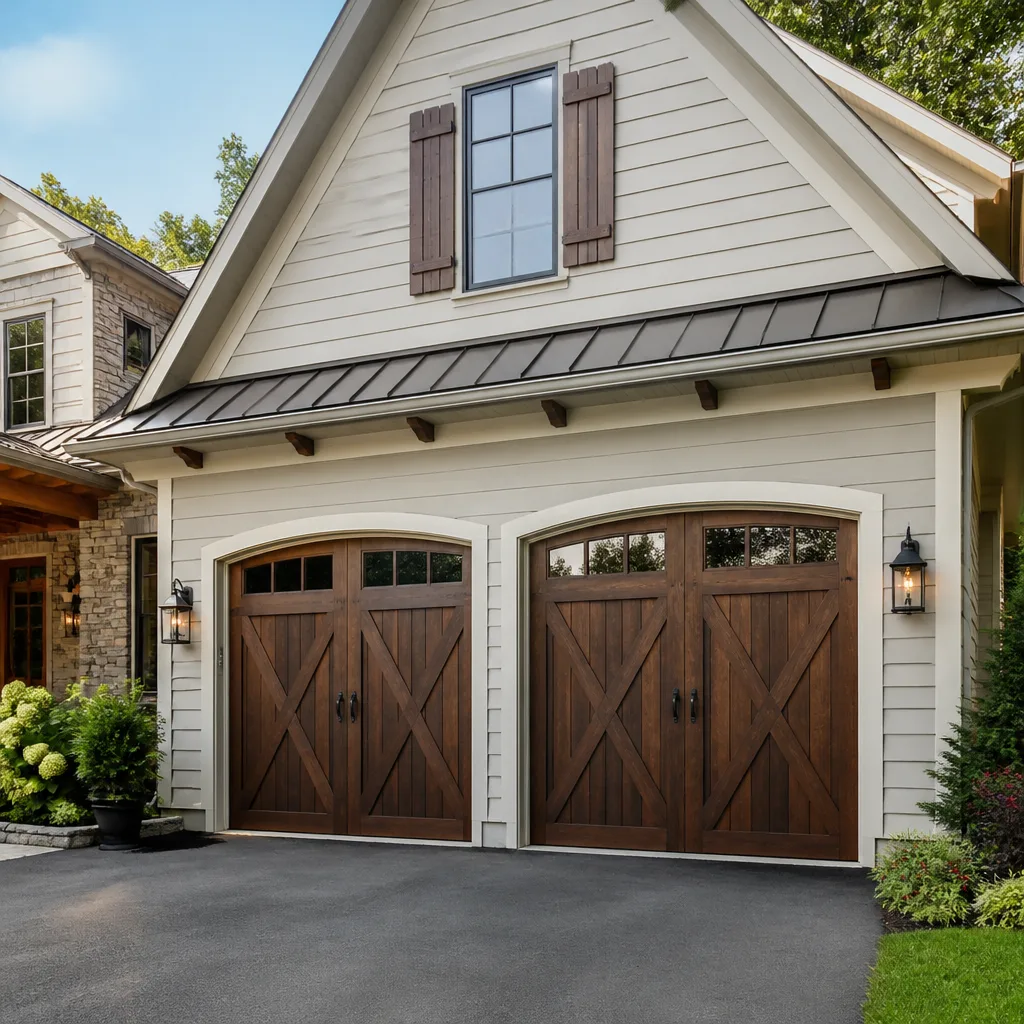 Carriage house
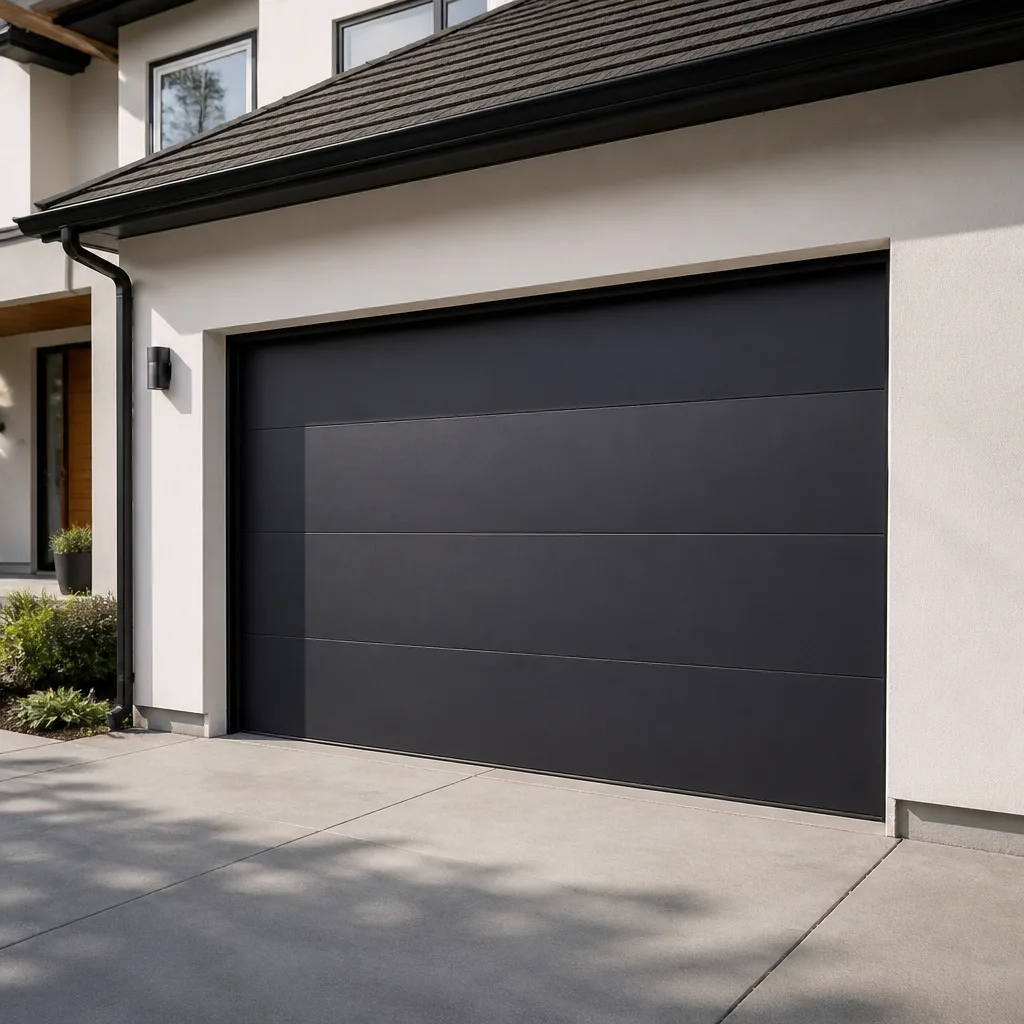 Modern flush
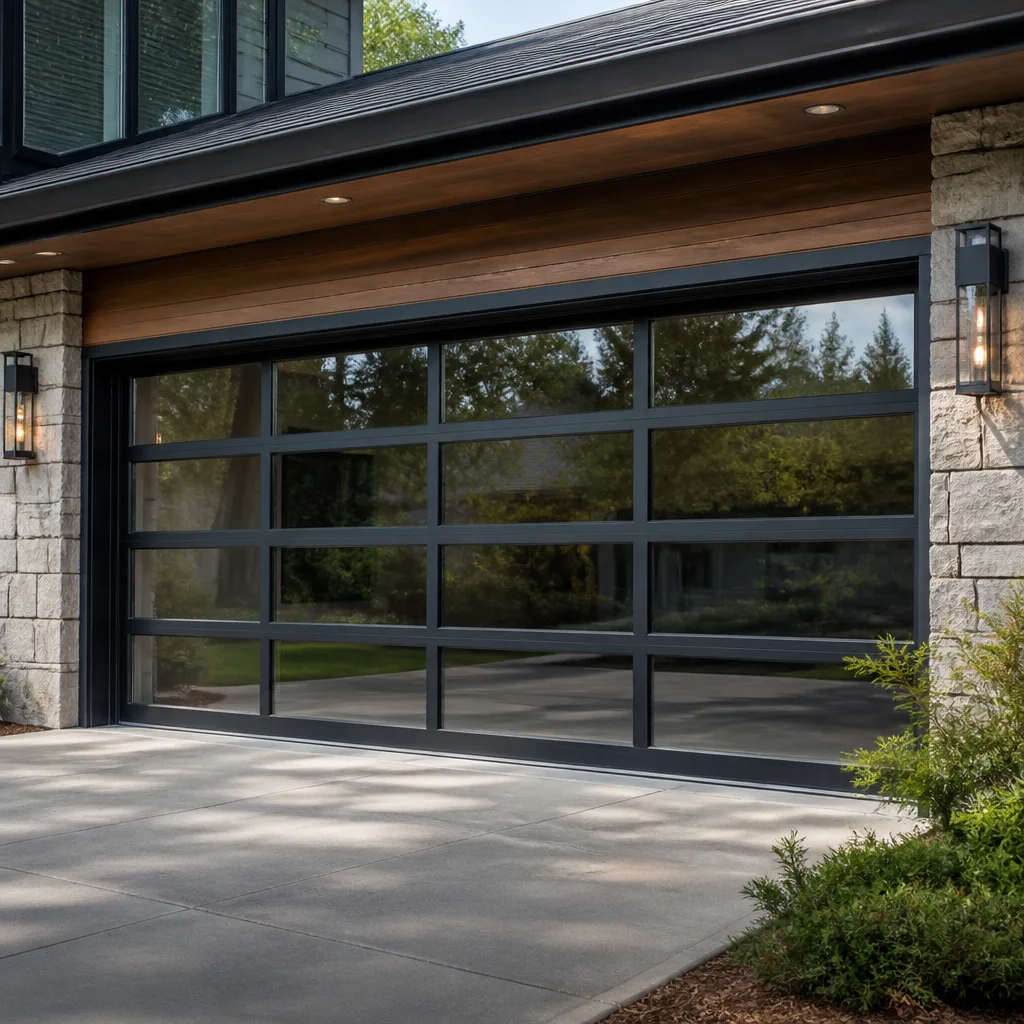 Full-view glass
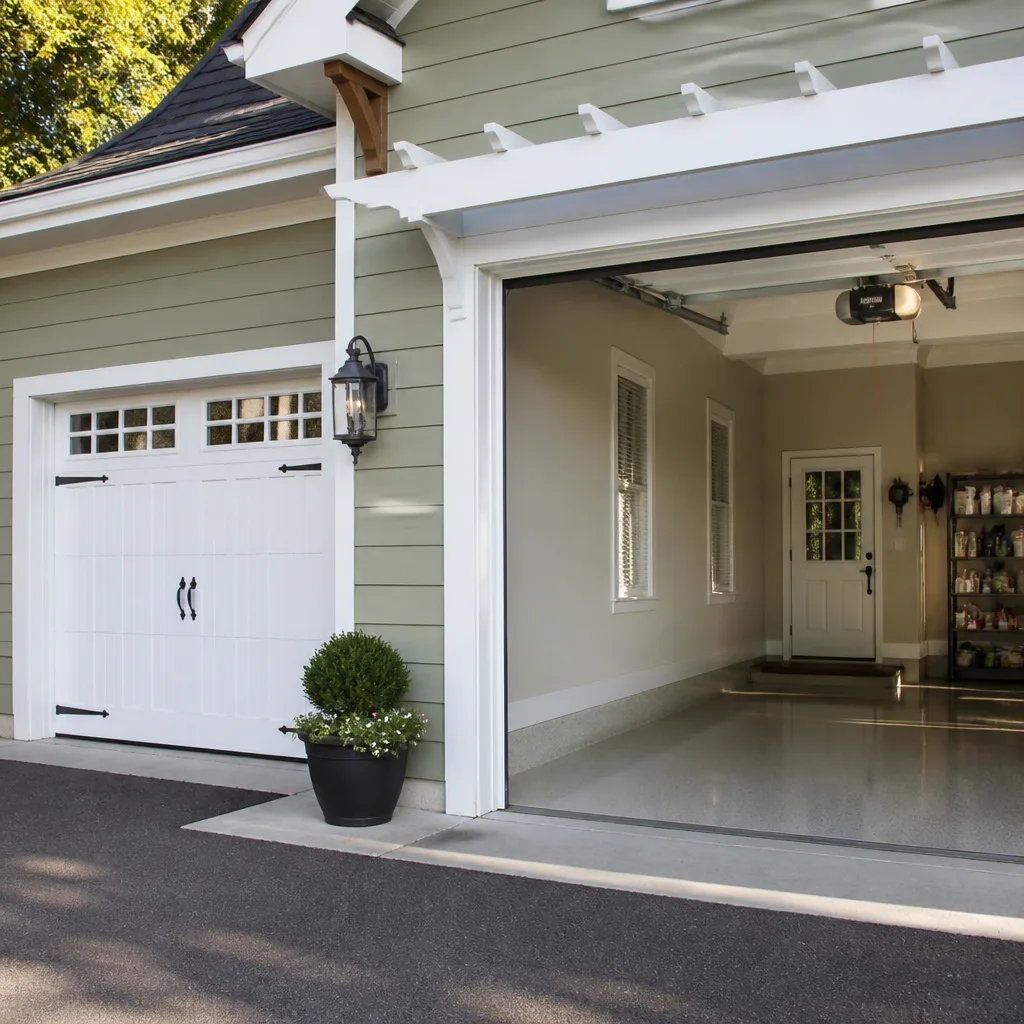 LiftMaster openers
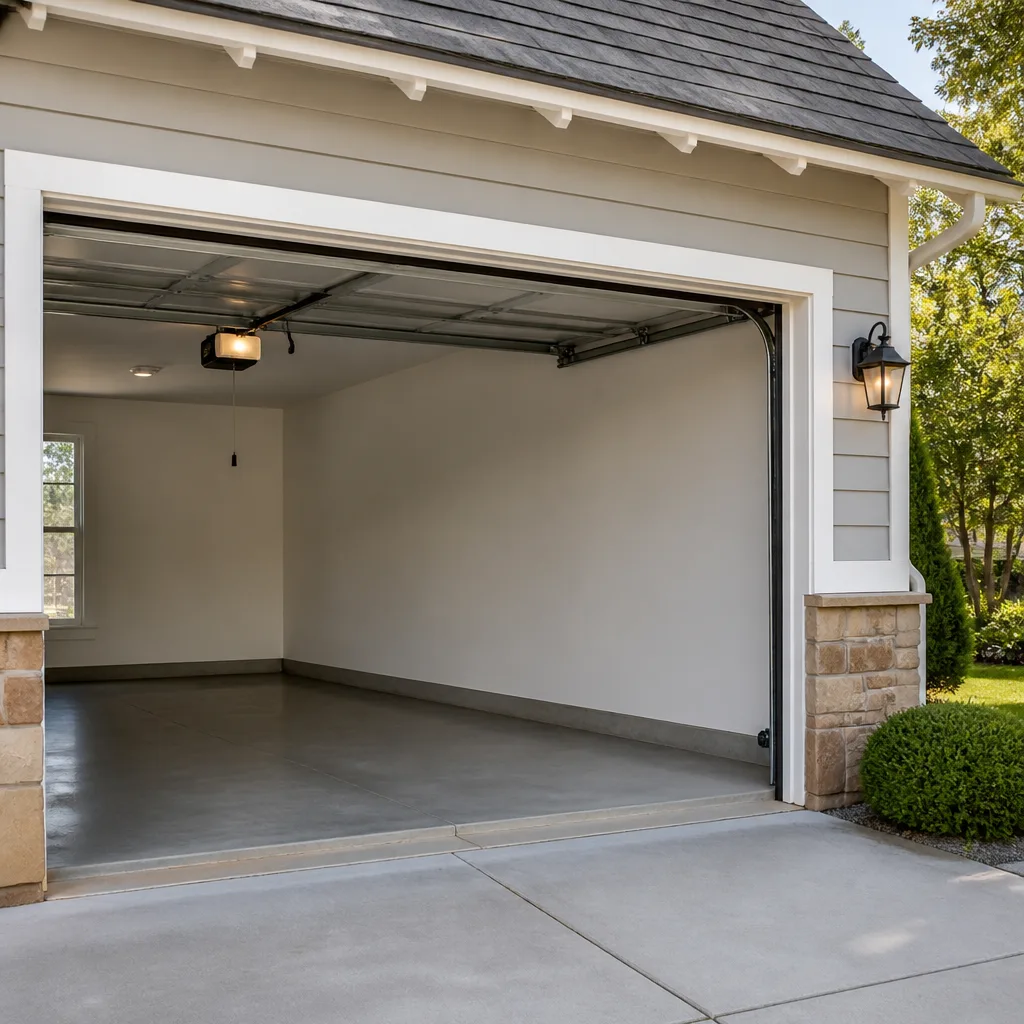 Chamberlain openers
Full 25-point door and opener safety check with every visit - springs, cables, rollers, tracks, and your LiftMaster or Chamberlain opener included
You get a price before we start. It does not change when the pro arrives.
Get your free estimateGarage Door Emergency Preparedness Guide for Arvada Homes
A garage door that fails at 6 AM in January doesn’t fail politely. The torsion spring snaps, the door drops, and suddenly you’re staring at a 400-pound slab of insulated steel that you cannot lift, cannot lock, and cannot leave open. Most homeowners do the same two things in that moment: they try to force it, or they prop it open with whatever’s in the garage. Both make the situation worse. A propped door is a security hole in a house that’s now exposed to the cold, and a forced door bends tracks, cracks panels, and turns a spring repair into a full replacement. What follows isn’t a blog post telling you to call somebody. It’s a decision framework: how to assess the failure, what you can safely do, what you should never do, and exactly what to tell a dispatcher so help arrives faster and with the right parts on the first trip.
Quick Answer
If your garage door fails in Arvada, the safest first move is to stop operating it, secure the opening from inside, and assess whether the failure is a spring, a track, a sensor, or a power issue. Never force a door with a broken spring or bent track. For anything involving torsion springs, cables, or panel collapse, leave it to a trained technician. We answer 24/7 at (866) 984-9695, with fast dispatch from 7am to 7pm, Sunday through Friday.
Styles & brands we work with
- Raised-panel steel
- Carriage house
- Modern flush
- Full-view glass
- LiftMaster openers
- Chamberlain openers
Table of Contents
- How to Assess a Garage Door Emergency in 60 Seconds
- Operating Your Door Safely After a Spring Failure
- How to Temporarily Secure a Door That Won’t Close
- What to Tell a Dispatch Technician
- Power Outage Protocol by Opener Brand
- Preventing Arvada’s Most Common Winter Emergency
- Track, Cable, and Panel Failures
- What Emergency Repairs Typically Cost
How to Assess a Garage Door Emergency in 60 Seconds
The first minute after a failure decides how expensive the repair becomes. Before you touch anything, run this assessment. It takes about a minute and it keeps a small problem from turning into a structural one.
- Listen before you look. A loud bang followed by silence is almost always a spring. A grinding or scraping sound that continues means something is still under load and needs to stop.
- Check the door position. A door sitting crooked, with one side higher than the other, has a cable or spring problem. A door that opens partway and stops is likely a sensor or opener fault.
- Look at the springs. On a torsion system, the springs are the wound coils on the shaft above the door. A visible gap in the coil means the spring is broken. Do not reach up to touch it.
- Look at the tracks. A dented or separated track on either side tells you the door has jumped the roller. Any further operation will bend the panel.
- Check the sensors. If the door starts down and reverses, the safety sensors at the bottom corners are misaligned, obstructed, or dead. That’s a different emergency than a mechanical failure and a much cheaper one.
Arvada homes built from the 1970s through the 1990s frequently have original torsion systems reaching the end of their service life, which is why we see more spring failures here than sensor issues on older doors. If your assessment points to a spring, stop. The next section explains why.
Operating Your Door Safely After a Spring Failure
A broken spring removes the counterbalance that makes a garage door liftable. What’s left is the dead weight of the door, and most residential doors weigh between 130 and 300 pounds depending on construction. A double-car insulated steel door with glass panels sits at the top of that range. Here is how to decide whether you can safely move it at all.
Step 1: Test the weight before you commit
With the door fully closed and the opener disconnected, grip the handle at the bottom center and lift with your legs, not your back. If the door moves easily for the first few inches, you can probably raise it. If it feels like a deadlift and it doesn’t budge, stop. You’ve just confirmed it’s too heavy to move safely without help.
Step 2: Disconnect the opener
Most openers have a red emergency release cord hanging from the trolley. Pull it straight down and toward the door. That disengages the opener from the door. With a LiftMaster or Chamberlain, the trolley slides free; with a Genie, the release is usually on the carriage. Never pull the cord while the door is at mid-travel and under tension from a still-intact spring on one side.
Step 3: Lift slowly and support it
Raise the door in slow stages. If it starts to fall, let it come down and stop. If you get it up, brace it with a proper door prop or a sturdy 2×4 cut to length, not a broom handle. Never let go of a raised door with a broken spring.
When to stop trying
Stop immediately if the door is off its tracks, if you hear cracking from the frame, if the door begins to twist, or if you feel any resistance that increases as you lift. Any of those means a structural failure that a technician needs to see in person. Cables and springs are under extreme tension, and a snapped cable can cause serious injury; this is one of the few jobs in home repair where the trained professional is genuinely the only safe option.
How to Temporarily Secure a Door That Won’t Close
A door stuck open is a bigger problem in January than a door stuck shut. You’re losing heat, and in Arvada, a garage that’s open to the outside is also open to whatever wants in. The question is how to secure it without damaging it further.
- For a sensor fault: Check that nothing is in the beam path, wipe the lens, and confirm both indicator lights are steady. If one sensor is dead, the door won’t close regardless of the opener. Aligning or cleaning the sensors is safe and easy.
- For track damage or a door off the track: Do not try to close it. Bring the door down by hand as far as it will safely go, then brace it in position from inside with clamps or a wedge under the bottom edge so it cannot fall.
- For power loss: Use the manual release to disengage the opener and lower the door by hand. Then re-engage the lock, and use a slide bolt or a c-clamp on the track if you’re leaving it overnight.
- For a dead opener but an intact door: You can secure a closed door from inside with any manual lock. Never lock the door if the opener is still connected, because the opener will try to lift it and strip the gears.
What you should never do is prop a door open with a chair, a ladder, or a piece of scrap. Gravity doesn’t negotiate. If the prop slips, the door comes down on whatever’s underneath. Cover the opening from inside with a tarp and a strap if the door can’t be closed at all, and call for a same-day dispatch.
What to Tell a Dispatch Technician
Most wasted trips happen because the person calling can’t describe the failure. A dispatcher who knows the door’s make, age, and symptom can send the right technician with the right parts. Here’s what to have ready.
- Door type and width. Single-car, double-car, and any nonstandard widths. Look for a sticker on the door’s end stile or the inside of the bottom panel. Clopay, Amarr, and Wayne Dalton all put a model sticker on the door.
- Opener brand and model. LiftMaster, Chamberlain, Genie, Craftsman, and Raynor all use different rails, trolleys, and logic board families. A technician who knows your brand brings the right control board or gear kit.
- Symptom, not diagnosis. “It opens about two feet and stops” tells us more than “the opener’s broken.” Describe exactly what it does.
- When it started. Sudden or gradual matters. A door that failed suddenly is a hardware problem. A door that struggled for a month before failing has a different repair list.
- What you’ve already tried. Say whether you pulled the release, reset the opener, or checked the sensors. That prevents a technician from redoing the same steps.
- Access details. Tell them whether the garage is attached, if there’s an alley approach, and whether you need them to call on arrival.
This is also where brand fluency pays off. Our technicians have up to 8 years of experience and work on the full range of major residential brands, so the description you give usually matches what they carry. If you want a trained eye on an opener problem specifically, our garage door opener repair team handles LiftMaster, Genie, and Chamberlain systems regularly.
Power Outage Protocol by Opener Brand
Power outages in Arvada are usually short, but a door that won’t lift during an outage is a real problem if your car is inside. Every major opener has a manual release, and some have a battery backup. Here’s the brand-by-brand picture.
LiftMaster and Chamberlain
Both brands use a similar architecture. If the opener has a battery backup (many modern units do), it will lift the door a limited number of times after power loss, usually at reduced speed. If not, pull the red emergency release cord hanging from the trolley. Pull straight down then toward the door. The door will then move by hand.
Genie
Genie’s manual release is typically located on the carriage that rides the rail, and on many models there’s a second release on the door arm. Disengage both to lift the door manually. Some Genie units detect a power loss and disengage automatically, in which case you only need to lift by the handle.
Craftsman
Craftsman openers (many manufactured in the same family as Chamberlain units) use the same trolley release. The battery backup on select models is a screw-in pack; check the control panel for a backup indicator light. If the light is dark, you’re on manual.
General outage rules
- Pull the release only with the door fully closed or fully open, never mid-travel.
- Brace a manual door in the raised position if it isn’t perfectly balanced.
- Re-engage the trolley by running the opener once to reconnect, then test with a short cycle.
- If the door still won’t lift after re-engagement, don’t force it. Call for same-day service.
Preventing Arvada’s Most Common Winter Emergency
Arvada’s freeze-thaw cycle is hard on bottom seals. Meltwater runs under the door during a mild afternoon, then refreezes overnight and bonds the rubber seal to the concrete. The next time you hit the opener, the door fights the ice, the motor strains, and something gives: usually the gear, the capacitor, or the drive assembly. The door isn’t the problem; the seal is.
Four steps to prevent a frozen-seal failure
- Clear snow and ice from the door’s path. Use a plastic shovel or broom, never a metal edge against the seal. Pay attention to the corners where meltwater pools.
- Check the bottom seal before every cycle in cold weather. If the door opens with a tearing sound, kill power at the opener and clear the ice before operating further.
- Lubricate the seal with a silicone spray. A light coat on the rubber keeps water from bonding it to the floor. Do this before the first deep freeze and again mid-season.
- Watch for a straining opener. If the motor sounds like it’s working harder than it used to, stop and diagnose. A strained motor that keeps cycling will strip its gears or burn the capacitor.
If your door has already failed this way, the repair is usually in the opener rather than the door itself; that’s a call for a specialist. If the door has also bent a track or dropped a roller, both need attention, which is why a single call to a company that handles the whole assembly saves time. Our garage door repair service covers Arvada homes year-round, and this is the single most common winter call we see.
Track, Cable, and Panel Failures
Not every emergency is a spring. Track damage, cable failure, and panel impacts each have their own signature and their own level of danger.
Track damage
A door that’s been bumped, hit by a car, or subjected to a bad installation will show a bent track. The symptom is a door that climbs crooked or jams at one side. Never try to straighten a track with a hammer; a misaligned track can let the door drop off its rollers and fall. Secure it and call for service.
Cable failure
Cables are what really hold a door in alignment, and they’re under tension alongside the springs. A snapped cable usually produces a loud report and a door that drops on one side. Do not touch the loose cable, and do not try to unwind or rewind it. This is a trained-professional-only job, full stop.
Panel impact
A dented or cracked panel weakens the whole door and changes its balance. If a car has hit the door or something has struck it from inside, the door may still operate but with increasing strain. Door brands like Amarr and Wayne Dalton sell replacement sections for many common models, so a panel impact doesn’t necessarily mean a new door. A specialist can advise whether the section is repairable or needs replacement.
Cables and springs are the dangerous parts of the trade. If you’re in doubt about what’s broken, treat it as dangerous and stop.
What Emergency Repairs Typically Cost in Arvada
Garage door repair pricing in Arvada depends on the failure, the parts, and the door’s age. What follows are typical estimates, not quotes; the written estimate you get before any work starts is the price that matters. Every job we quote is agreed before a technician begins.
A spring is one of the most common calls. Spring prices are per spring, and most doors use a matched pair that should be replaced together, so a pair is roughly double.
| Repair | Typical estimated range |
|---|---|
| Torsion spring, single spring | $180 – $340 |
| Torsion spring, matched pair | $360 – $680 |
| Opener gear, capacitor, or drive repair | $150 – $400 |
| Sensor replacement or realignment | $90 – $200 |
| Track straightening or replacement | $150 – $350 |
| Cable replacement (per side) | $130 – $280 |
| Bottom seal replacement | $100 – $250 |
These ranges assume a standard single-car or double-car door and a straightforward job. Nonstandard widths, older hardware, or damage that includes multiple components will move the number. When you call, ask for a written estimate before the work begins; that’s how the price stays predictable. Our estimates are free.
Common Mistakes to Avoid
- Forcing a door with a broken spring. The opener isn’t designed to lift dead weight. You’ll strip the gear, burn out the capacitor, or bend a panel, turning a spring job into a door job.
- Propping a door open with a chair or broom. A 400-pound door doesn’t respect a prop. If it slips, whatever is underneath is destroyed, and if the door comes off its track, it can swing into a car.
- Ignoring the bottom seal until it freezes. Arvada’s freeze-thaw cycle makes a frozen seal a spring problem in waiting. Spray the rubber before the cold and the door will thank you.
- Locking the door while the opener is connected. The opener will try to lift a locked door and strip its gears. Disengage first.
- Hitting the opener multiple times when it stalls. A single stall is a diagnosis. Three attempts is a diagnosis you can’t afford. Stop and figure out the cause.
- Letting a general handyman tackle a torsion system. Springs and cables are the dangerous parts. A specialist knows the tension and the tooling. A generalist is learning on your door.
- Not keeping the release cord reachable. If the release is tangled with shelving or tied up, you can’t disengage during an outage. Check that it hangs clear.
See the difference
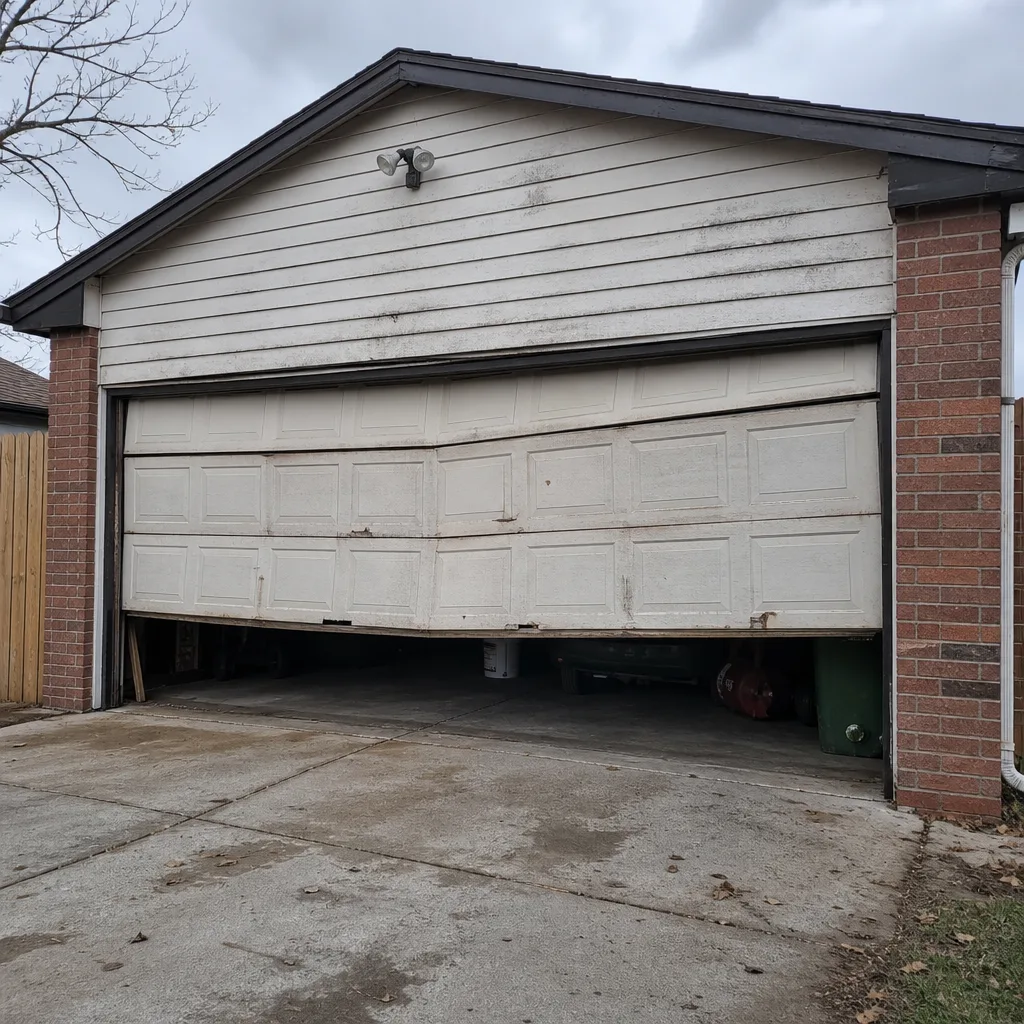 Before
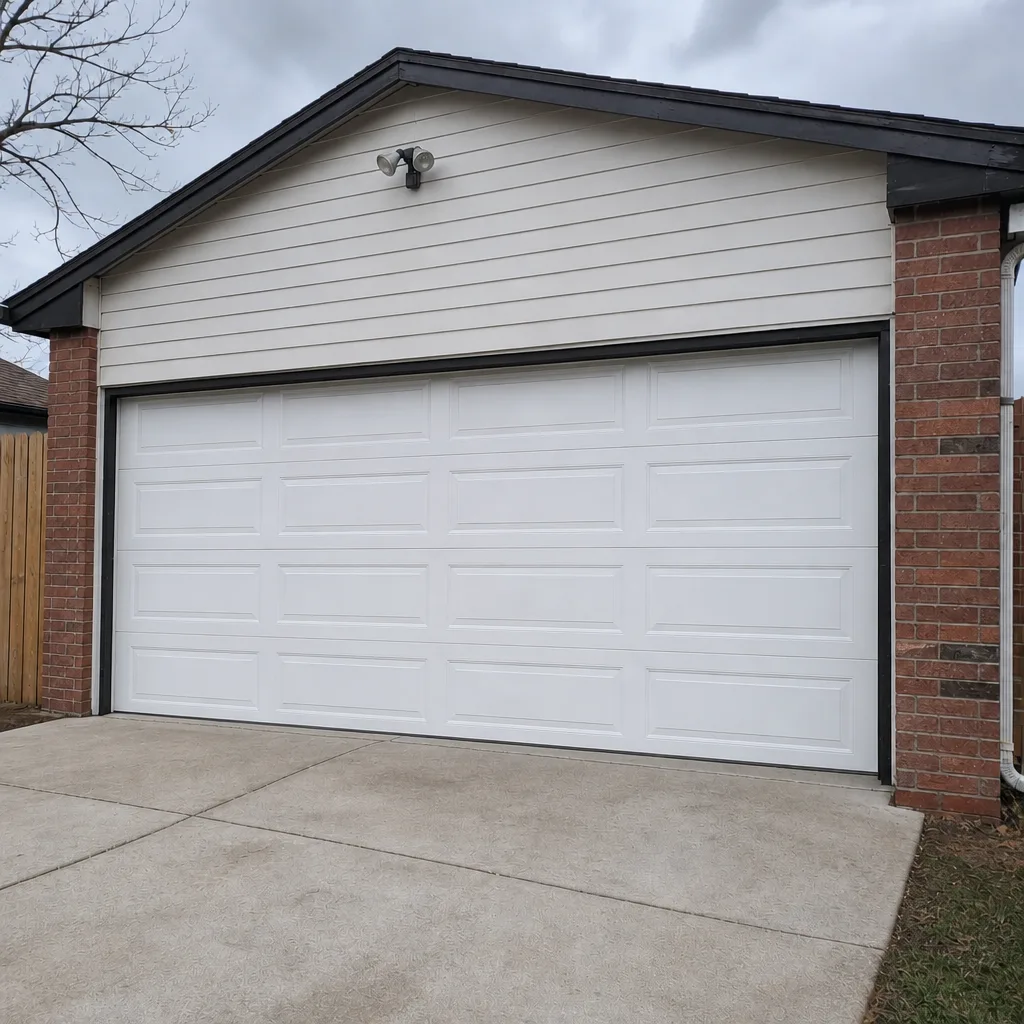 After
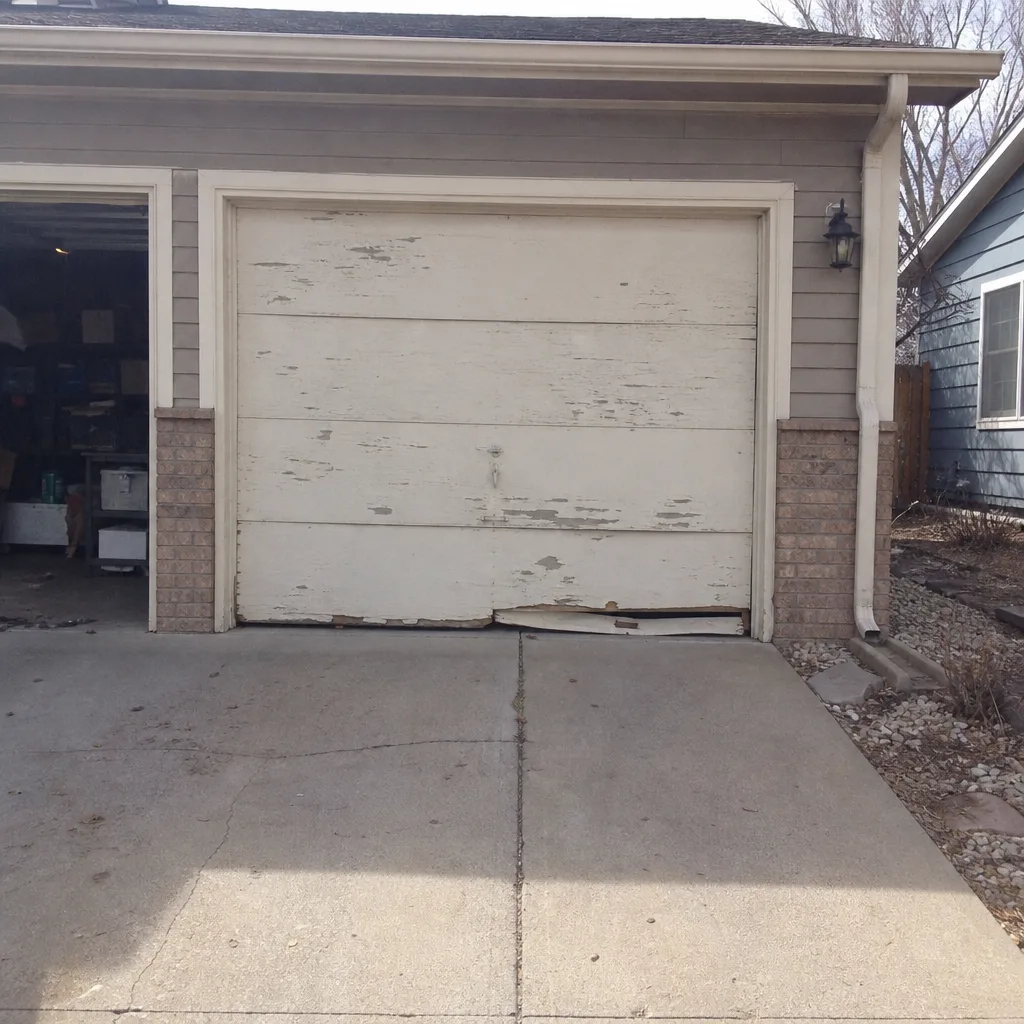 Before
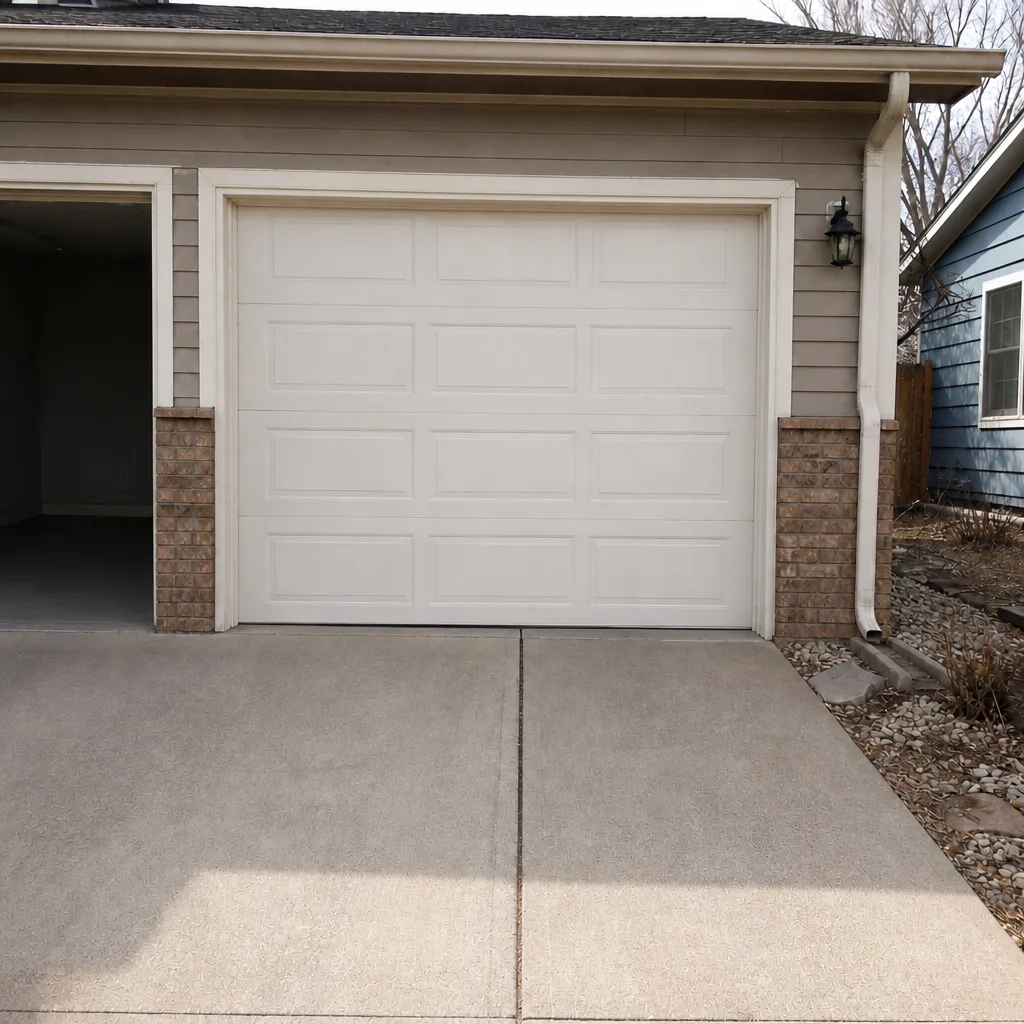 After
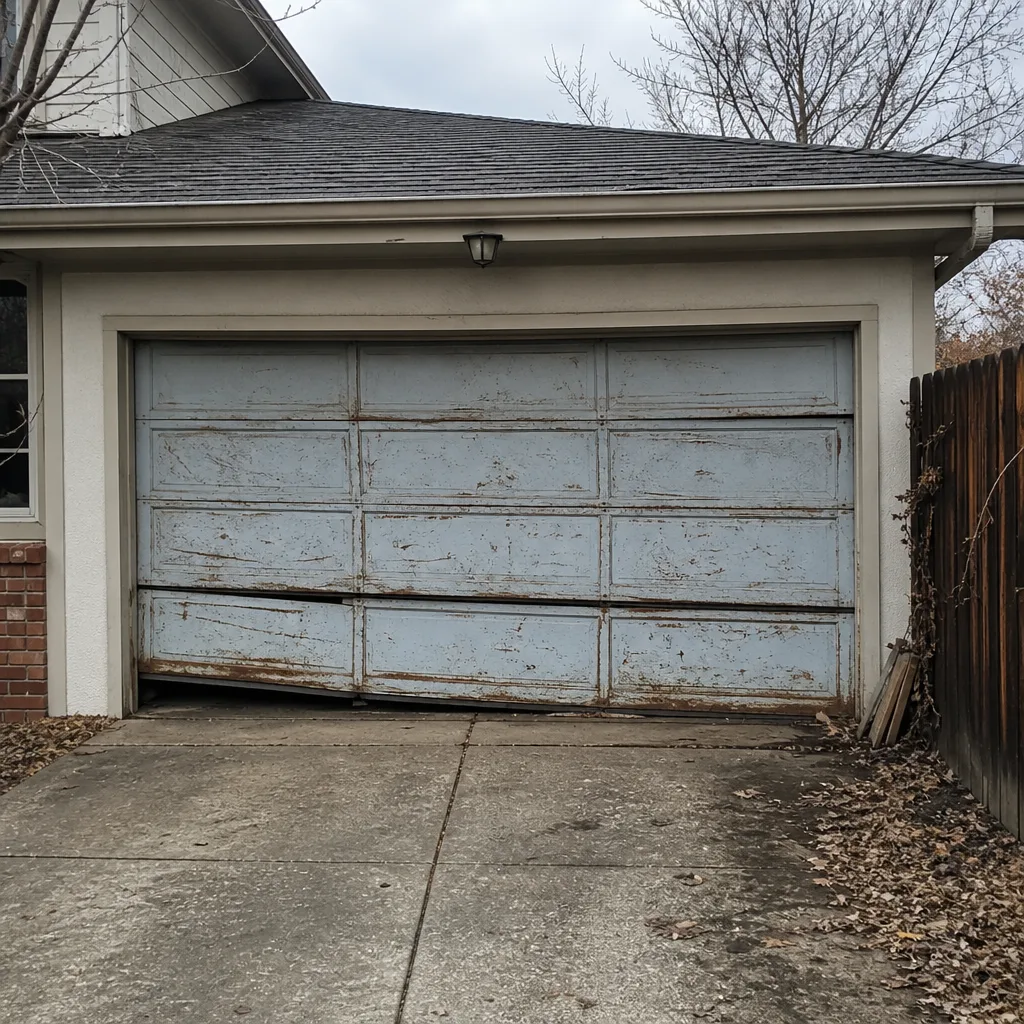 Before
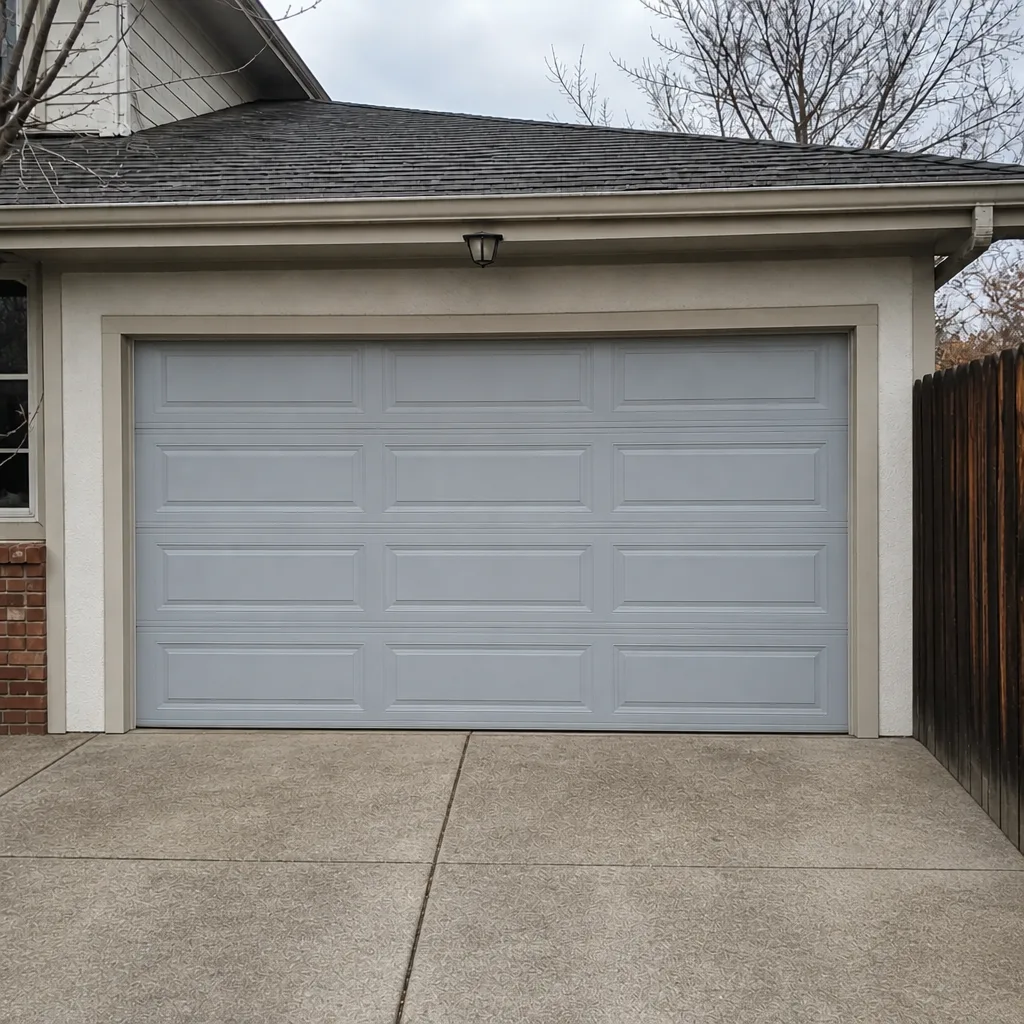 After
When to Call a Professional
Call a professional when the failure involves any of the following: a broken torsion spring, a snapped or slack cable, a door off its track, a bent panel that affects the door’s balance, or an opener that stalls, grinds, or refuses to disengage. Also call if you can’t safely close the door, if the opening is exposed, or if you’re unsure whether the failure is a door problem or an opener problem. A specialist can diagnose the difference quickly. Our technicians have up to 8 years of experience and work on the full range of major brands, including Clopay, Amarr, and Wayne Dalton doors and LiftMaster, Chamberlain, and Genie openers. Arvada Garage Door Service offers free estimates in Arvada. Call (866) 984-9695. We answer 24/7. Fast dispatch from 7am to 7pm, Sunday through Friday.
Frequently Asked Questions
Sometimes, but only if the door is light enough to lift safely and you can support it in the raised position. A broken spring removes the counterbalance, so the door’s full weight rests on you. Test the weight with the door closed first. If it doesn’t move easily or feels like it’s getting heavier as you lift, stop and call for service. Never force a raised door to stay up with a prop.
It’s almost always the safety sensors. The two small units at the bottom corners of the door project a beam across the opening, and anything interrupting that beam reverses the door. Clean the lenses, check for misalignment, and confirm the indicator lights are steady. If one is dark, the sensor is dead and needs replacement. A dead sensor is a quick, low-cost fix. Call (866) 984-9695 for an estimate.
Torsion springs are the wound coils mounted on a horizontal shaft above the door, and they run parallel to it. Extension springs are the long springs mounted on the sides, stretching alongside the tracks. Torsion springs usually need a trained technician to replace. Extension springs are also dangerous to service by hand, and both should be handled by a professional.
Only if it has a battery backup, which many modern units do. The backup lifts the door a limited number of times at a reduced speed. If your opener has no backup, pull the red emergency release cord to disengage the trolley and lift the door by hand. Never pull the release while the door is mid-travel. If you’re unsure which model you have, tell us the brand and we’ll help you identify it.
No. A bent track means the door has already begun to leave its rails, and an improper attempt to straighten it can let the door drop. Secure the door in place from inside and call for service. A technician can determine whether the track needs straightening or replacement and whether the rollers were damaged.
It depends on the age, the failure, and the door’s condition. A door with one broken spring is usually a straightforward repair. A door with bent tracks, cracked panels, and hardware at the end of its life may be better replaced. Because we work with multiple door brands and opener brands, our advice comes down to your situation, not a single manufacturer’s incentive. Call (866) 984-9695 for a free estimate and an honest recommendation.
The Bottom Line
A garage door emergency is manageable if you know the sequence: assess before you touch, never force a door with a broken spring or bent track, secure the opening from inside, and describe the failure clearly when you call. Arvada’s winters make the frozen-seal failure the most common one we see, and it’s almost always preventable with a silicone spray and a quick check before every cycle. For anything involving springs, cables, or tracks, leave it to a specialist; this is one part of home repair where the risk to your health is real. If you’re in doubt, call. Our free estimates and brand-fluent technicians mean the answer comes fast and the price is agreed before any work begins. Call (866) 984-9695 for a free estimate. We answer 24/7. Fast dispatch from 7am to 7pm, Sunday through Friday. You can also explore our full Arvada Garage Door Service offering or learn more about the Arvada area we serve.
Written by the team at Arvada Garage Door Service.