
Last updated November 15, 2026
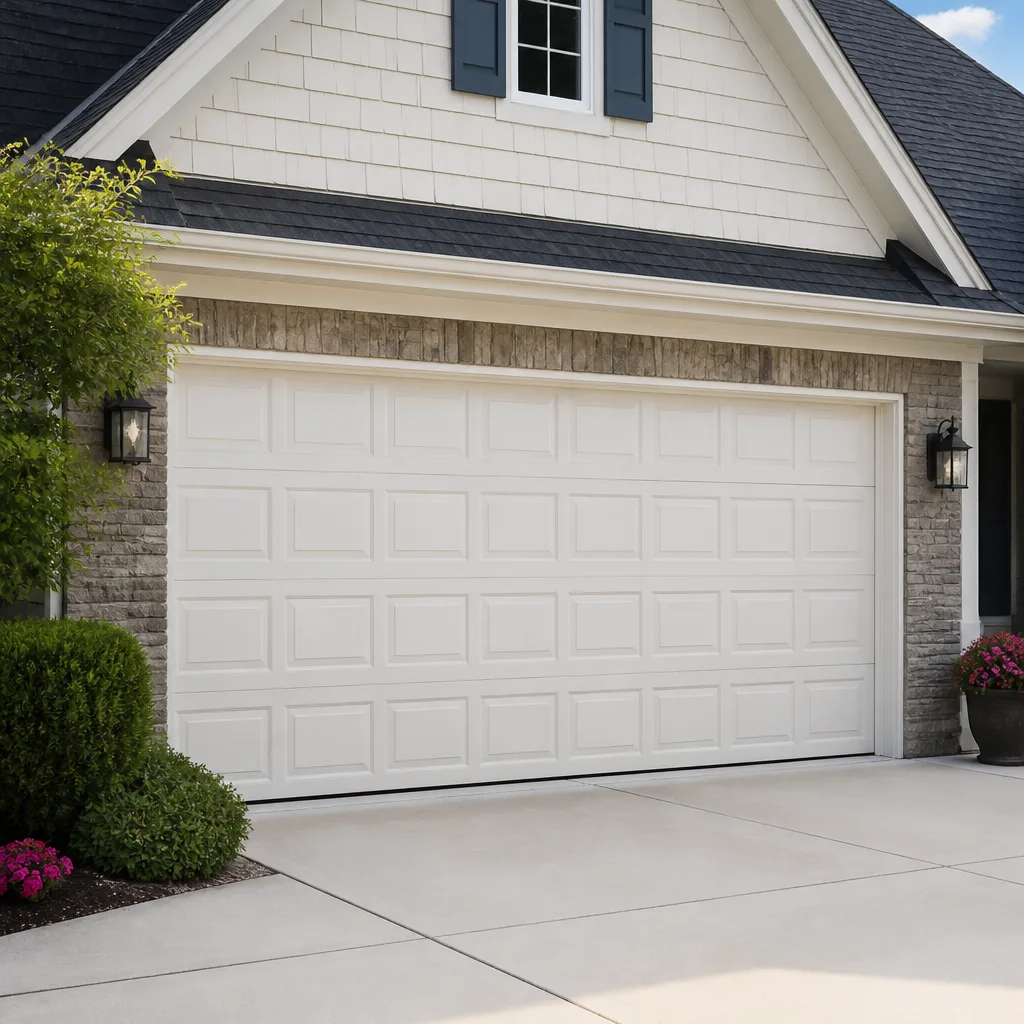 Raised-panel steel
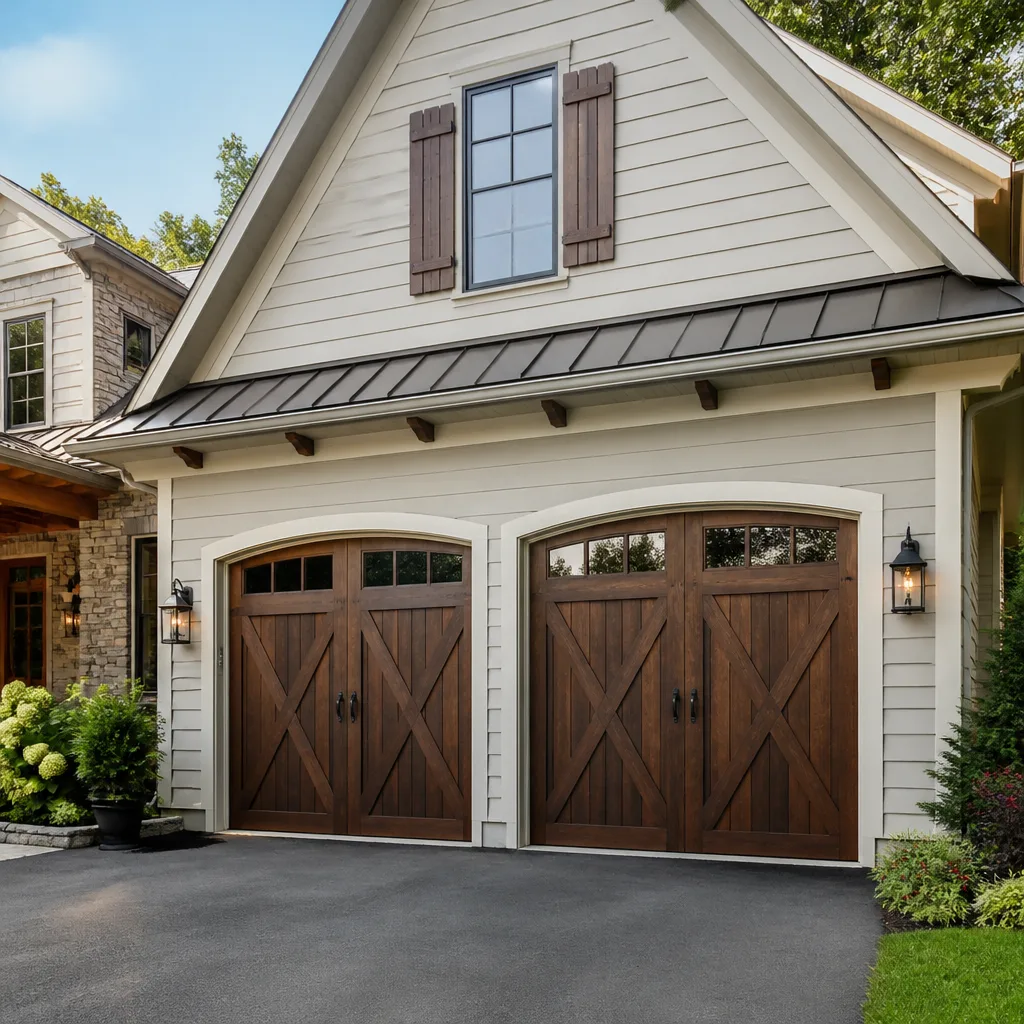 Carriage house
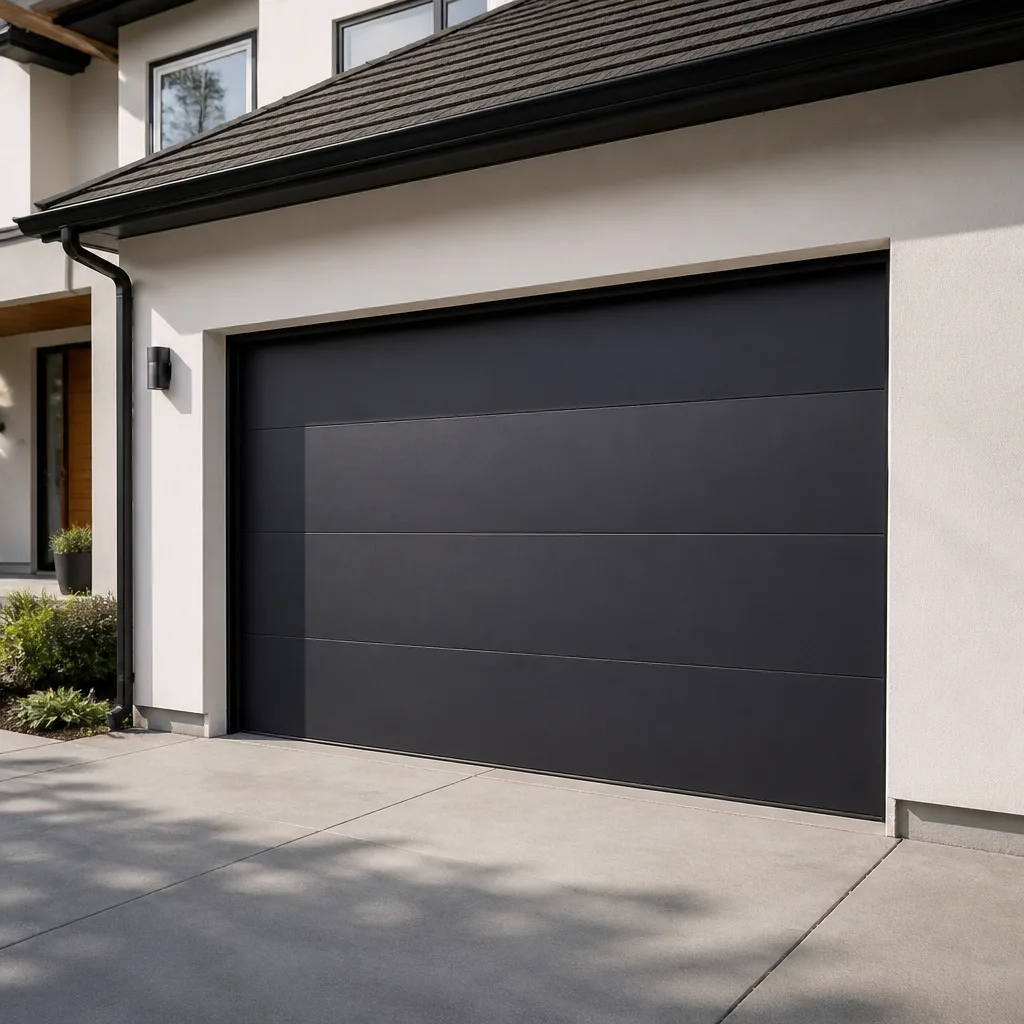 Modern flush
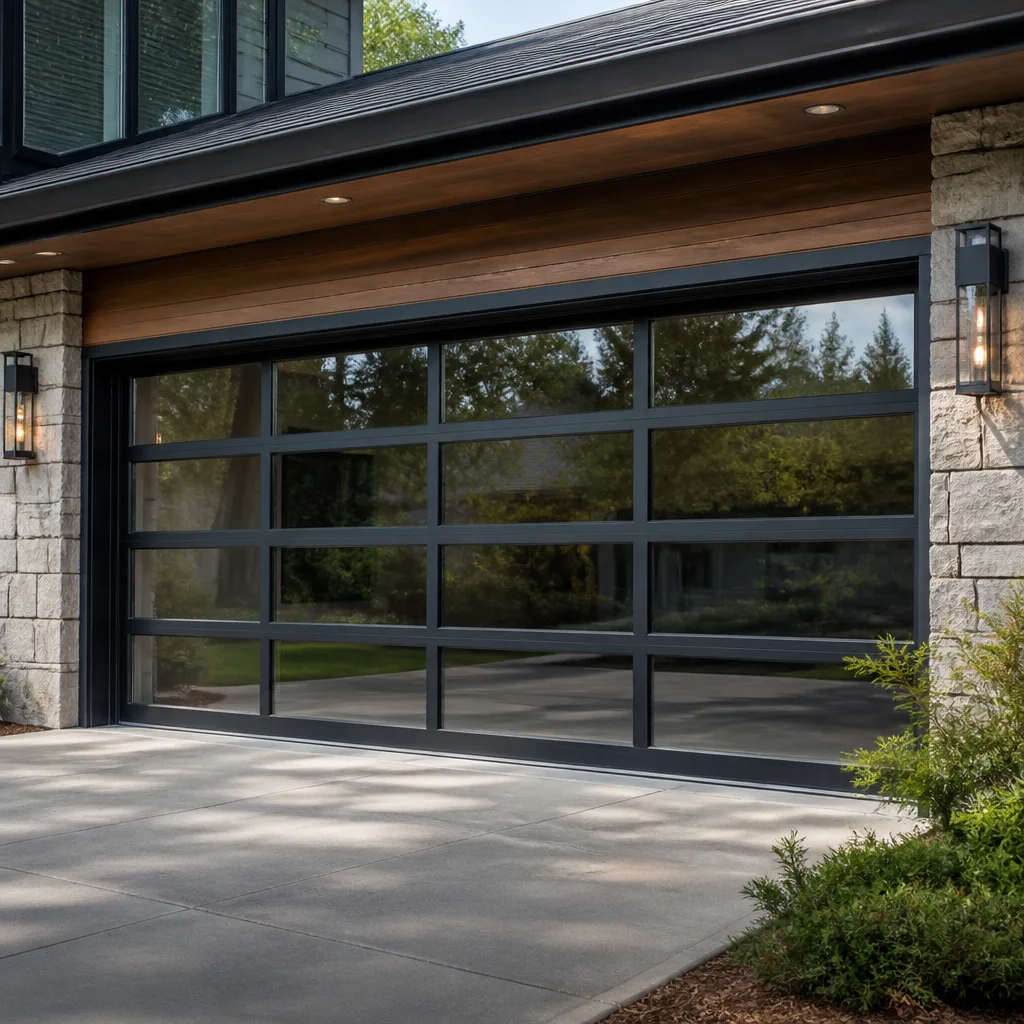 Full-view glass
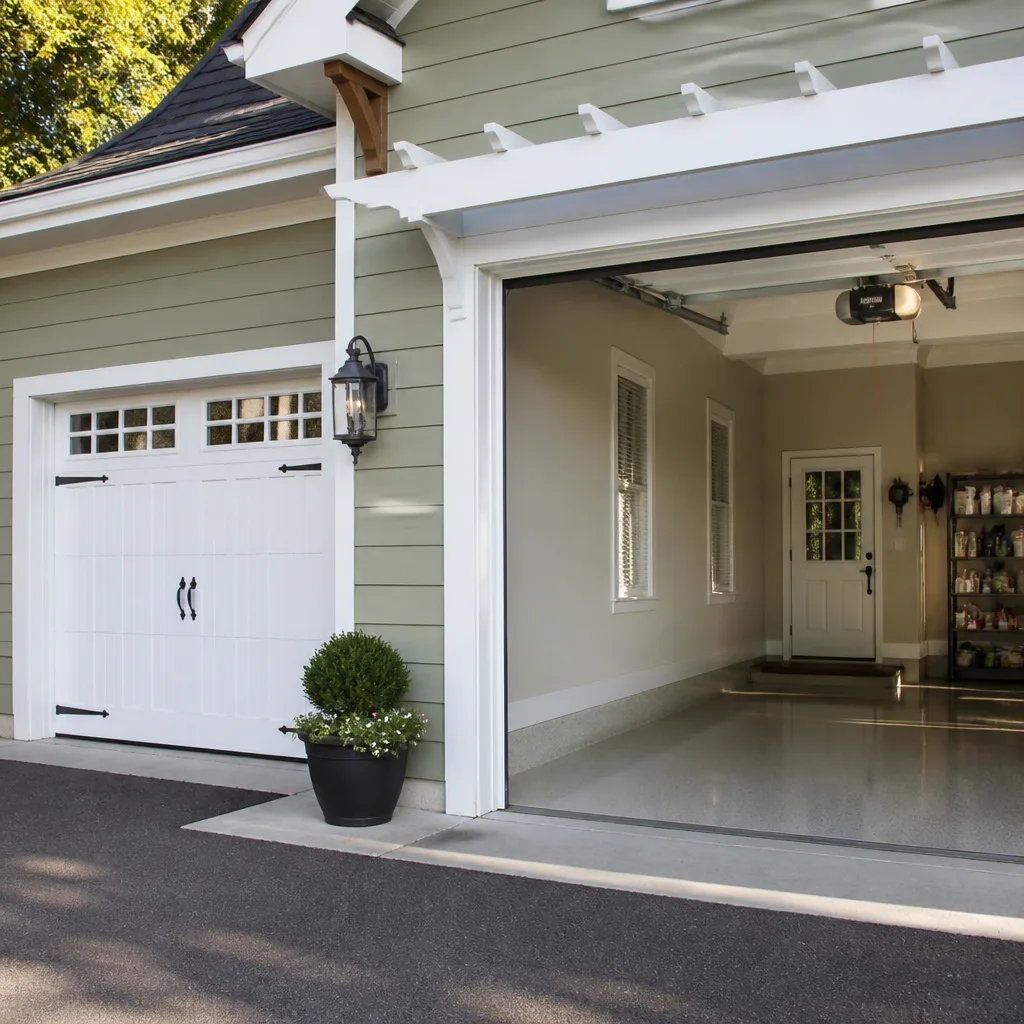 LiftMaster openers
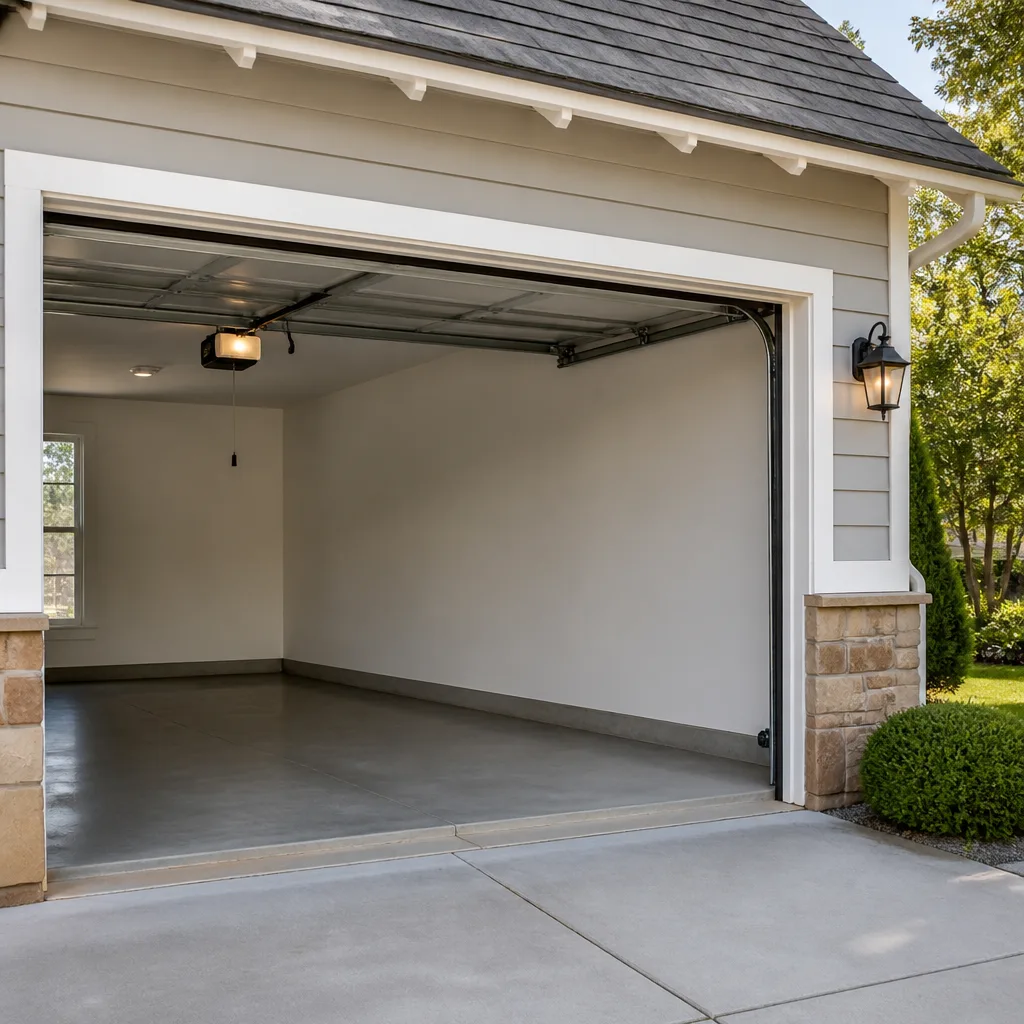 Chamberlain openers
Full 25-point door and opener safety check with every visit - springs, cables, rollers, tracks, and your LiftMaster or Chamberlain opener included
You get a price before we start. It does not change when the pro arrives.
Get your free estimateGarage Door Permits, Codes & Inspections in Arvada, CO: What You Need to Know
Most homeowners assume a garage door is a garage door, and that the city either cares about all of it or none of it. Neither is true. A full door replacement in Arvada usually sails through without a building permit, while adding a new electrical circuit for an opener in a detached garage almost always needs one. Spend an afternoon on this and you’ll see the pattern: the permit trigger is the scope of work, not the invoice total. That distinction matters down the road, at resale, when an inspector or a buyer’s agent asks who signed off on the work. Here’s how Arvada actually treats garage door permits, inspections, and code requirements.
Quick Answer
In Arvada, a like-for-like garage door replacement generally does not require a building permit, but structural changes to the opening, new or altered electrical circuits for an opener, and any fire-rated door between an attached garage and a living space can trigger one. Your address determines whether the City of Arvada or Jefferson County has jurisdiction, so confirm with the right building department before work starts. Always get the answer in writing and keep it with your closing documents.
Styles & brands we work with
- Raised-panel steel
- Carriage house
- Modern flush
- Full-view glass
- LiftMaster openers
- Chamberlain openers
Table of Contents
- What Actually Triggers a Permit in Arvada
- City of Arvada vs. Jefferson County: Which Rules Apply to You
- Fire-Rated Doors Between Attached Garages and Living Space
- How HOA Approval Interacts With Municipal Permits
- The Opener Circuit Problem and Future Home Sales
- What an Inspection Actually Checks
- How Arvada’s Climate and Housing Stock Shape the Rules
- Step-by-Step: The Correct Order of Operations
What Actually Triggers a Permit in Arvada
The short version: permits follow structural and electrical changes, not the cosmetic swap most people are doing. Swapping a worn steel panel door for a new one of the same size, in the same opening, using the same tracks and springs, is treated as a replacement. Widening an opening, removing a load-bearing header, adding an electrical outlet or dedicated circuit, or changing a door’s fire rating is a different story entirely.
Here’s how the work breaks down in practice:
Usually exempt (like-for-like replacement):
- Replacing a residential door with a new one of the same dimensions and function
- Replacing springs, cables, rollers, hinges, or tracks as a repair
- Repairing or replacing an opener wired to an existing circuit
- Cosmetic changes like paint, window inserts within the same panel configuration, or new weatherstripping
Usually triggers a permit or review:
- Enlarging or changing the size of a garage door opening
- Removing or modifying a structural header or framing
- Adding a new electrical circuit, outlet, or disconnect for an opener
- Replacing a door that serves as a required fire separation between garage and house
- Converting the garage to habitable space, which changes occupancy and egress requirements
This is where we see homeowners get into trouble. They assume “no permit” is a blanket rule and start framing, wiring, or upgrading the fire door without checking. In our experience, the small structural and electrical changes are the ones that get flagged at resale. The City of Arvada’s building department publishes current permit requirements and is the definitive source for your specific project, so a quick call before work begins goes a long way. When you work with the team behind Arvada Garage Door Service, we can tell you whether the scope you’re describing usually needs a permit, so you know which questions to ask the city.
City of Arvada vs. Jefferson County: Which Rules Apply to You
Arvada spans multiple counties, which means your address determines which building department reviews your project. Homes within the Arvada city limits are generally reviewed by the City of Arvada even when the property sits in Jefferson County or Adams County. Homes in unincorporated Jefferson County fall under Jefferson County’s building department. Same door, same work, potentially different paperwork.
How to figure out which rules apply to you:
- Check your property’s jurisdiction. Your county assessor’s website or a call to the county planning department will tell you whether your address is inside Arvada city limits or in unincorporated county land.
- Call the right building department first. For city addresses, that’s the City of Arvada. For unincorporated addresses, that’s Jefferson County. Don’t guess based on your mailing address, because a mailing city name isn’t a jurisdiction.
- Ask about permit requirements for your specific scope. Give them the details: door size, whether the opening changes, whether electrical is involved.
- Get the answer in writing. An email or a printed permit confirmation lives in your file forever. A phone call doesn’t.
- Keep the documentation with your closing documents. This is the file a future buyer’s agent will want to see.
Where this gets confusing: two homes across the street from each other, both with Arvada mailing addresses, can sit under different jurisdictions. Neighborhoods like Candelas, Whisper Creek, and parts of northwest Arvada near the county line are easy places to get this wrong. The safest move is always to confirm directly rather than rely on assumptions.
If you’re not sure whether a project is in city or county territory, our team can help you identify the boundary. We work in Arvada every week, and we know which neighborhoods fall where. If you need garage door repair and want to know if the scope crosses a permit threshold, say the word and we’ll walk you through it.
Fire-Rated Doors Between Attached Garages and Living Space
Here’s the section of this guide most homeowners haven’t heard before. A door between an attached garage and the living area of a house is a fire separation. It’s judged on its fire rating, not its looks. Replacing it with a cosmetic model that lacks the required fire resistance turns a simple upgrade into a code issue.
What you need to know:
- The garage-to-house door is not a common interior door. It’s a fire-rated assembly specified by the building code for attached garages.
- “Cosmetic replacement” isn’t a legal category when the door serves a fire separation function. The replacement must match the required rating.
- The hardware matters. The door’s self-closing mechanism, hinges, and door frame components are part of the rated assembly.
- The door between a detached garage and the home isn’t a fire separation in the same sense, because there’s no shared wall. This is one of the reasons detached garage rules differ.
When a cosmetic upgrade becomes a code problem, it usually happens in one of two ways. A homeowner picks out a stylish door for the entry from the garage and doesn’t notice the rated door they removed. Or an inexpensive replacement door lacks the labeling required, which is a problem when a home inspector or buyer asks for confirmation. If you’re replacing this door, ask the supplier to confirm the fire rating in writing. If the door is older and you can’t find its rating label, a call to the city building department will point you to what’s required for your property.
We install doors from manufacturers including Amarr and Wayne Dalton, and we can tell you which models are commonly used in fire separation applications so you know the right questions to ask your supplier. What we don’t do is tell you which door your code official will accept. That’s the city’s call, and asking them directly is faster than any secondhand answer.
How HOA Approval Interacts With Municipal Permits
Many Arvada neighborhoods have architectural review committees, and they are a completely separate layer from municipal permitting. HOA approval does not replace a city permit, and a city permit does not replace HOA approval. You need both if both apply, and they’re reviewed in different places by different people with different criteria.
HOA committees usually care about:
- Door style, panel pattern, window configuration, and glass type
- Color matching and the approved palette
- Consistency with neighboring homes, especially on street-facing elevations
- Manufacturer and model specifications in some planned communities
The city building department cares about:
- Structural adequacy of the opening and framing
- Fire separation between garage and living space
- Electrical permitting for opener circuits
- Egress and code compliance for any occupancy changes
The trap is assuming an HOA approval counts as the city’s blessing. It doesn’t, and the reverse is also true. Suppose you submit your HOA package with a beautiful Clopay door and get the green light in two weeks. That approval has no bearing on whether the city wants a permit for the electrical work involved. Conversely, if the city issues a permit for a same-size replacement, the HOA can still turn down the color.
Submit the HOA paperwork before placing an order. Delivery windows often run weeks, and a rejected application after a nonrefundable deposit is expensive. Our team can usually provide the specification sheets most HOAs request, including brand, model, panel style, and glass. If you’re working with us on an Arvada installation, mention the HOA upfront and we’ll give you the documentation to submit before the order goes in.
The Opener Circuit Problem and Future Home Sales
Adding an electrical outlet or dedicated circuit for a garage door opener requires a permit. That’s true even if the rest of the project is fully exempt. Unpermitted electrical work is one of the most common issues uncovered at resale, and it can complicate closings or force retroactive permitting and inspection.
Why this trips people up:
- A new opener on an existing circuit doesn’t trigger a permit. The wiring is already there and inspected.
- A new outlet in a garage that had no opener is new electrical work and typically needs a permit.
- Replacing an existing opener with a modern model like a LiftMaster, Chamberlain, Genie, or Craftsman unit does not usually require a new circuit, so the electrical permit question doesn’t apply.
- Adding a smart opener or WiFi-connected unit usually doesn’t change the electrical load, so it’s typically a swap, not an addition.
The catch is what happens years later. In our experience, buyers’ agents and home inspectors ask for permit history on any electrical work they see. If the circuit was added without one, the closing process can stall while the work is brought into compliance. That means a licensed electrician opening the wall, pulling the permit, correcting any issues, and having the city inspect it. It’s not the end of the world, but it’s far more expensive and time-consuming than getting the permit on the front end.
If you inherited an unpermitted circuit when you bought the home, you’re not stuck. Call the City of Arvada or Jefferson County (whichever governs your address) and ask about retroactive permitting. In our experience, most building departments will work with you to bring the work up to code. You’ll typically need a licensed electrician to inspect the existing wiring and pull a permit on your behalf if corrections are needed. Ask the building department what documentation they require so you know before you schedule.
When we handle garage door opener repair, we’re working with the existing wiring, not adding new circuits. If the fix requires a new outlet or a panel change, we’ll tell you, and we’ll recommend a licensed electrician who can pull the electrical permit. That handoff is unusual in this trade, and it’s how jobs stay clean.
What an Inspection Actually Checks
If your project requires a permit, expect an inspection before the work is finalized. Garage door inspections are narrow in scope, and they’re aimed at verifying that the installation matches what was permitted and meets code requirements. Here’s a breakdown of what inspectors typically look at:
- Match to permit scope. The inspector confirms what was installed matches what was described on the permit application.
- Structural adequacy. For opening changes, they look at the header, framing, and hardware connections.
- Fire separation. For attached garages, the inspector confirms the required fire-rated assembly is in place between the garage and living space.
- Electrical. For new opener circuits, the inspector checks the wiring, grounding, and disconnect.
- Safety devices. The photo-eye sensors and auto-reverse function are functional safety features. Inspectors don’t usually test them, but they’re part of what a properly installed door includes.
- Labeling. Rated doors and labeled assemblies need their manufacturer labels intact.
We always recommend homeowners attend the inspection if they can. The inspector explains what they’re checking, and any follow-up items are usually clear in the moment. If something needs adjustment, you’ll know exactly what, and you can call us to schedule the correction.
The most common inspection failure in our experience is scope mismatch. If the application said “replace door” but the installer framed a wider opening, the inspection note will reflect that. Getting the paperwork right on the front end avoids a second visit and the requeue.
How Arvada’s Climate and Housing Stock Shape the Rules
Arvada’s climate is not gentle on garage doors. The Front Range swing between warm afternoon sun and cold nights is hard on springs, cables, and the door panels themselves. That wear cycle is what drives most of the replacements we see, and it’s also why structural modifications happen less often than you’d think. Most homeowners are just replacing what failed, which keeps their projects in the exempt lane.
The housing stock matters too. Arvada has a wide range of builds, from mid-century homes in Olde Town and the areas near Ralston Road to newer construction in Candelas, Whisper Creek, and the northwest edges of the city. Older homes sometimes have narrower openings or non-standard sizes. That’s when a “simple replacement” can drift into a project that needs a permit. Newer homes almost always have standard sizing, which means like-for-like is straightforward. If your home is older and the door size is unusual, check with the city before ordering.
The combination of freeze-thaw cycles and openings that have been modified over the decades means some doors don’t fit as cleanly as they should. Wind exposure on the western edge of Arvada is another factor, and hardware takes the brunt. None of this changes the permit rules, but it does change what a replacement involves, and it’s worth knowing before you write a check.
Our technicians have up to 8 years of experience with Front Range installations, and we’ve seen how the local climate affects doors of every brand. Whether it’s a Raynor door from decades past or a modern Clopay replacement, we can usually tell you what the install scope looks like once we’re on site.
Step-by-Step: The Correct Order of Operations
Getting the sequence right saves time, money, and a lot of phone calls. Here’s the order we recommend:
- Determine your jurisdiction. Confirm whether your address is City of Arvada or Jefferson County. Ask the building department which rules apply.
- Define the scope precisely. Same size replacement? New opening? New circuit? Fire-rated entry door? Write it out before you call anyone.
- Call the building department and ask about permits for your specific scope. Get the answer in writing.
- Check your HOA requirements. Submit the architectural application if you have one. Do this before placing any orders.
- Get a written estimate for the work. Confirm the scope in writing and make sure the price is agreed before any work starts.
- Pull permits if required. Electrical permits go through a licensed electrician. Structural permits go through the door installer or contractor.
- Complete the work and schedule inspection. Attend the inspection if you can, and correct any follow-up items immediately.
- File all documentation. Keep the permit, inspection, HOA approval, and receipt together for resale.
The step homeowners most often skip is number three. Everyone calls the HOA. Very few call the building department. But the building department is where the actual code requirement lives, and a five-minute call saves a lot of resale headaches. When we do an install, we’re happy to be on the call with you so you can ask the specific questions that matter for your scope.
Common Mistakes to Avoid
- Assuming no permit at all just because the door replacement doesn’t need one. Electrical additions, structural changes, and fire-rated door replacements all have separate requirements. Check each one.
- Confusing the city of Arvada with Jefferson County. Your mailing address is not your jurisdiction. An Arvada mailing address in unincorporated Jefferson County falls under county rules.
- Replacing the garage-to-house door as if it were a regular interior door. It’s a fire separation. The replacement must match the required rating, hardware included.
- Treating HOA approval as a permit. They’re separate. An HOA committee can’t sign off on a permit and the city can’t overrule an HOA decision.
- Installing a new opener circuit without a permit. It can stall a home sale years later and cost more to correct retroactively than to permit the first time.
- Ordering a door before the HOA approves the color. Rejected applications after a nonrefundable deposit hurt. Get the sign-off first.
- Widening an opening to fit a larger door without checking structural requirements. Opening size changes are structural, and they’re one of the clear permit triggers.
See the difference
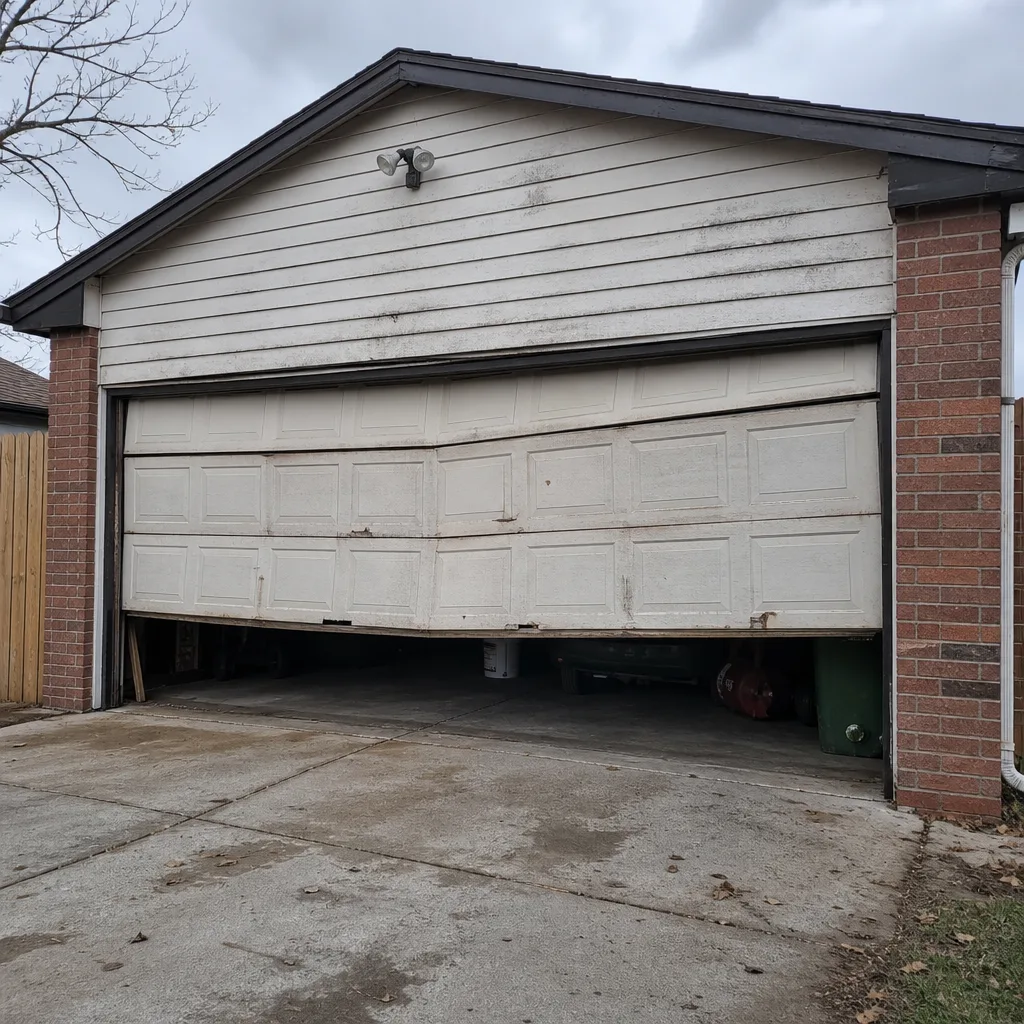 Before
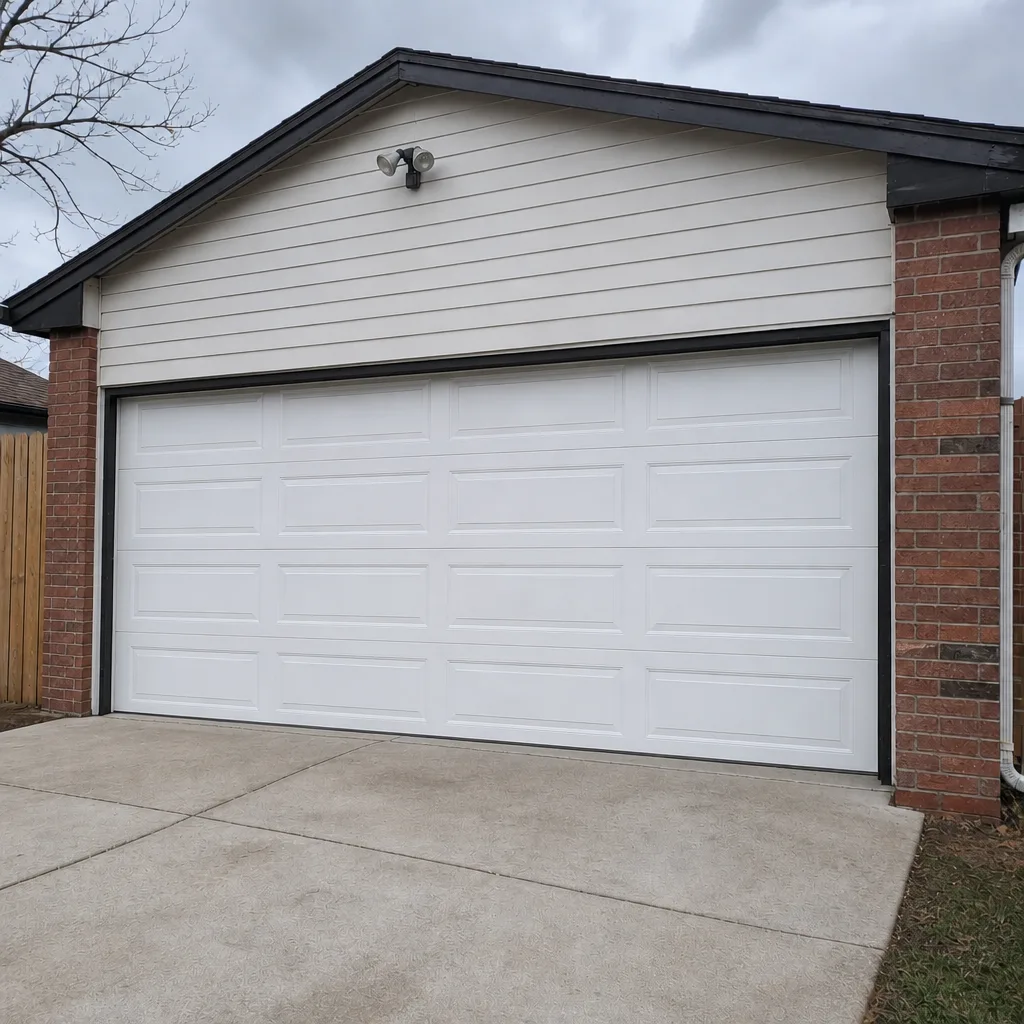 After
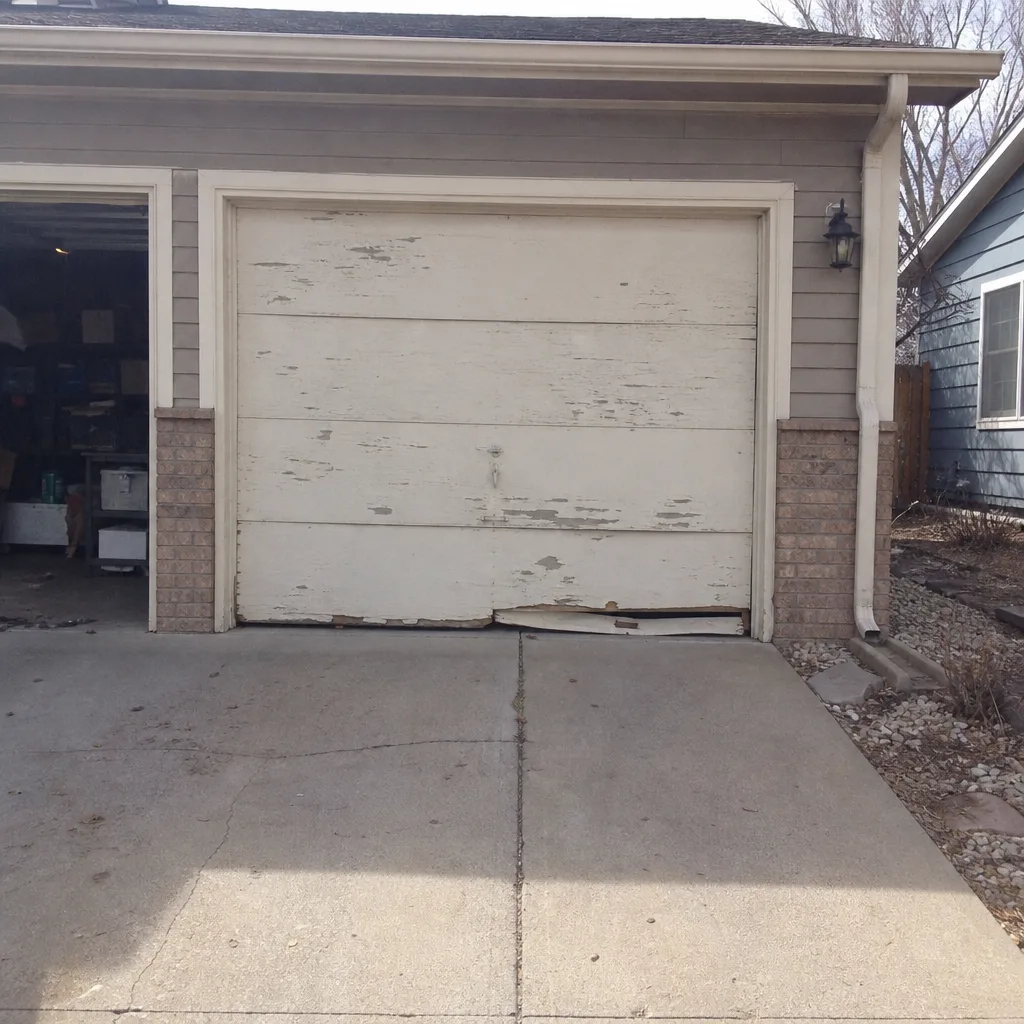 Before
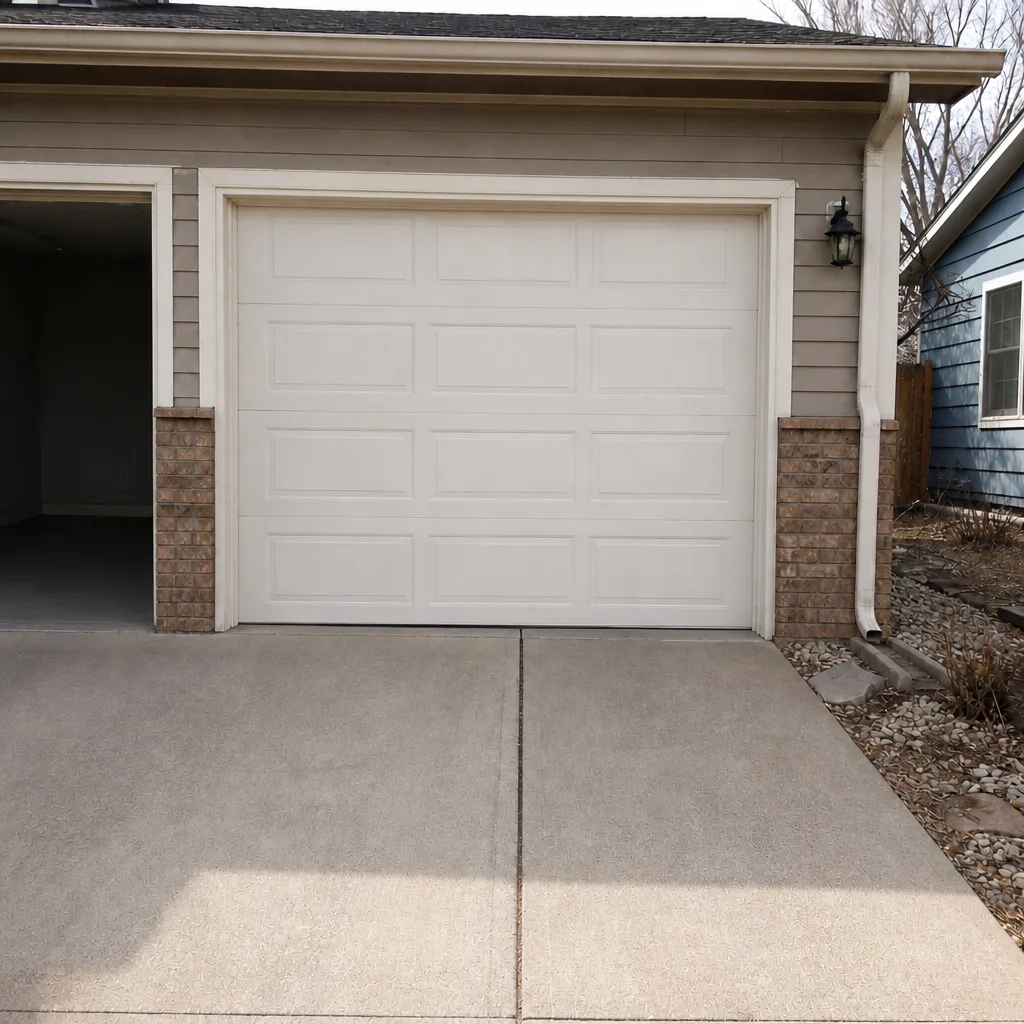 After
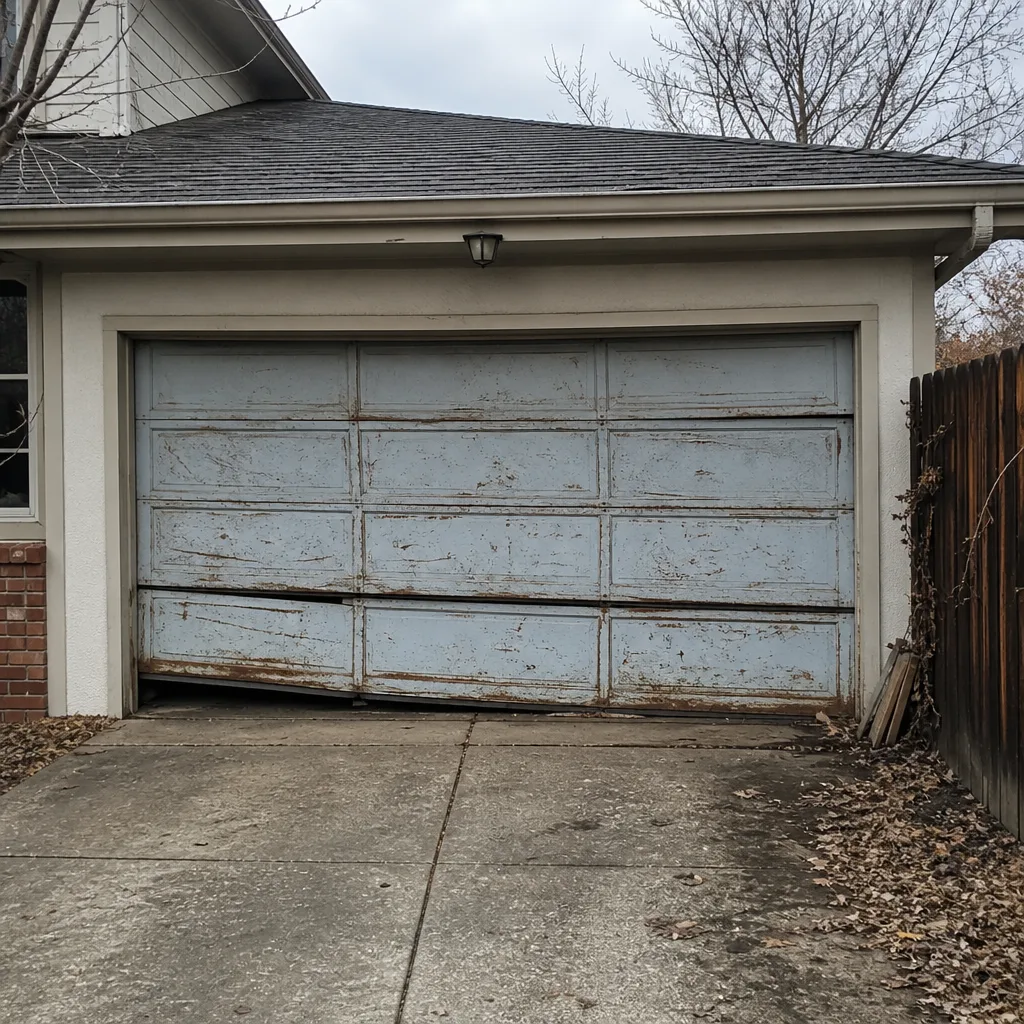 Before
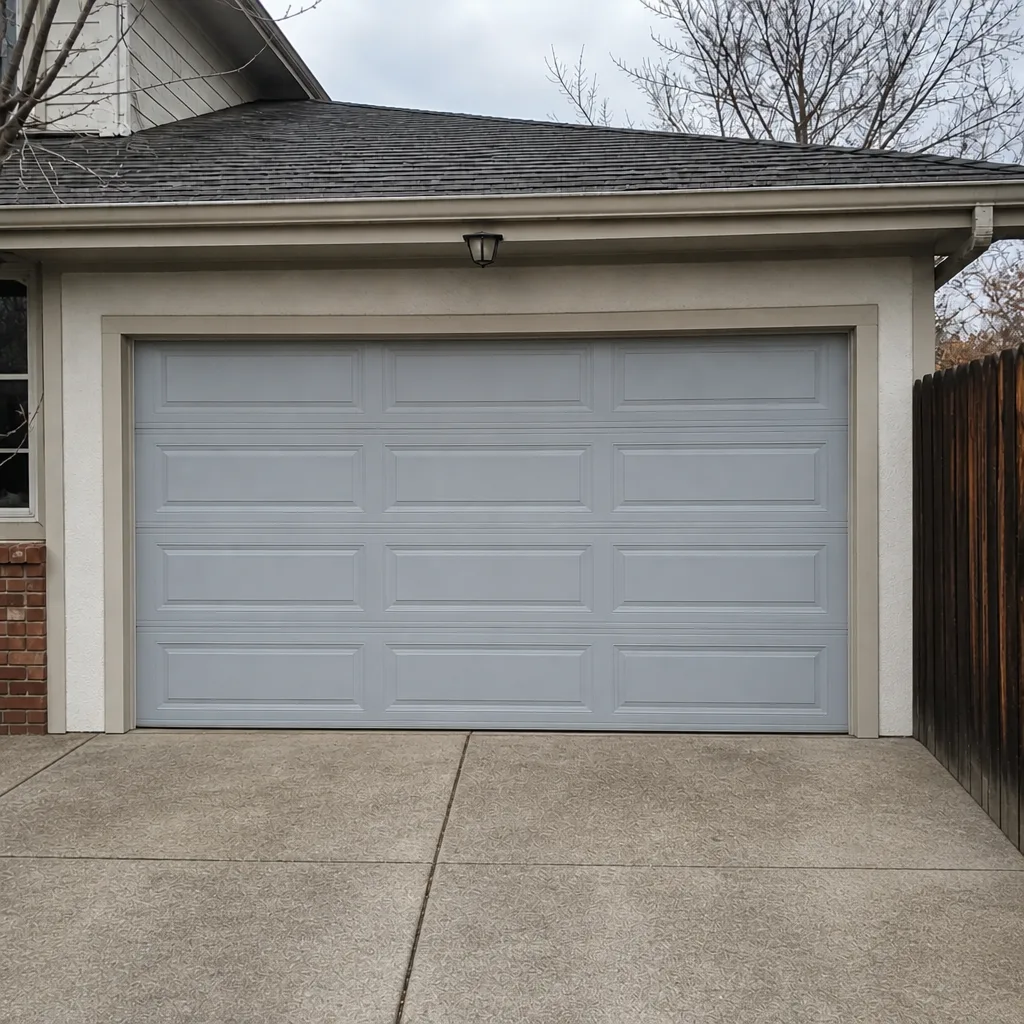 After
When to Call a Professional
If your project involves structural changes, a new electrical circuit, a fire-rated replacement, or a non-standard opening, get professional input before you order anything. Springs, cables, and opener components under tension are genuinely dangerous to work with, and the permit question is only part of the picture. When the fire-rated door between the garage and living space is involved, treat it as a code assembly, not a cosmetic upgrade. Those doors separate your family from a fire in the garage, and getting the rating wrong has real safety consequences. Same for any wiring: it’s a licensed electrician’s job, not a weekend project.
Arvada Garage Door Service offers free estimates in Arvada. Call (866) 984-9695 to schedule. We’ll walk you through what your scope actually requires, in plain language, so you know exactly which questions to ask the city and where the work needs a specialist.
Frequently Asked Questions
Usually no, as long as it’s a like-for-like replacement in the same opening with the same hardware configuration. Changes to the opening, new electrical work for an opener, or a fire-rated door replacement can trigger a permit. Call the City of Arvada or Jefferson County (depending on your jurisdiction) to confirm for your specific project. Call (866) 984-9695 for a free estimate on the door work itself.
It depends on your address. Homes within Arvada city limits are generally under the City of Arvada’s building department even if they sit in Jefferson or Adams County. Homes in unincorporated Jefferson County fall under the county’s building department. Check with your county assessor’s website or call the planning department to confirm. Call (866) 984-9695 if you want help identifying which one applies.
Both approvals are separate, and you need both if they apply. HOA approval covers style, color, and specification. City or county permits cover structural, fire, and electrical requirements. Neither substitutes for the other. Submit the HOA application first, since approval timelines are often longer. Call (866) 984-9695 for the manufacturer specification sheets most HOAs request.
A buyer’s inspector will typically flag it, and the closing process can pause while it’s brought into compliance. You can usually resolve this with a retroactive permit through the City of Arvada or Jefferson County, plus an inspection conducted by a licensed electrician. Call (866) 984-9695 for a referral to an electrician who can handle the permit side.
In an attached garage, it usually is. The door between the garage and living space must meet a fire rating set by the building code, and its hardware is part of the rated assembly. If you replace this door, match the rating, not just the style. If you’re not sure what rating applies to your property, call the building department for your jurisdiction. Call (866) 984-9695 for help finding the right replacement.
Yes, but it almost always requires an electrical permit for the new circuit. The opener itself is straightforward. The wiring for the outlet is where the permit question lives. Have a licensed electrician pull the permit and complete the electrical work. Call (866) 984-9695 to schedule the opener installation once the circuit is inspected.
The Bottom Line
The permit requirement in Arvada follows scope, not sticker price. A like-for-like replacement generally goes through without a permit. Structural changes to the opening, new opener circuits, and fire-rated door replacements are where the paperwork shows up. Confirm your jurisdiction (City of Arvada or Jefferson County), get the HOA approval separately, and keep every document together for resale. Springs, cables, and electrical work are the components that carry real risk, and they deserve a trained professional. If you’re planning a project and want a straight answer on the door side, call us. Estimates are free, the price is agreed before any work starts, and we’ll tell you what actually needs the city’s involvement.
Ready to schedule? Call (866) 984-9695. We answer 24/7. Fast dispatch from 7am to 7pm, Sunday through Friday. Free estimates in Arvada, upfront pricing, and a written quote before work begins.
Written by the team at Arvada Garage Door Service.